
Ingredients Categories
Finished Products
Finished Food Categories
- Bakery
- Beverages / Juices
- Cereal and grain products
- Confectionery
- Cooking Fats & Oils
- Dairy
- Egg products
- Fruits & Vegetables
- Infant & Baby food
- Meat, Poultry & Fish
- Nuts & Seeds products
- Other Finished Food Categories
- Pet Food
- Plant-based foods
- Prepared foods
- Sauces & Seasonings
- Sweet & Savoury Spreads
Specialised Finished Products
- Bee products
- Biotic products
- Dietary supplements
- Energy drinks
- Functional beverages
- Functional confectionery
- Functional food
- Functional powders
- Meal replacement products
- Nutricosmetics
- Other Specialised Finished Products
- Pet Dietary Supplements
- Pharma and OTC products
- Protein products
- Sugar replacers / Sweeteners
Health & Wellness Areas
Delivery Formats
Operations & Services
- 3D printing
- Analysis/ Testing
- Auditing & certifications
- Blending & mixing
- Bottling
- Certification
- Clinical trials
- Co-packing
- Coating
- Consulting
- Contract manufacturing
- Drying
- Electrospinning
- Encapsulating
- Enzymatic processing
- Extracting
- Extrusion
- Fat structuring
- Fermentation
- Filling
- Flavour development
- Freeze drying
- Granulating/ grinding/ milling / mixing
- High-pressure processing
- Labelling
- Other Operations & Services
- Packaging
- Packet filling
- Pasturising
- Quality assurance
- Saccharification
- Shear cell processing
- Spray drying
- Sterilisation
- Storage & Logistics
- Tabletting
- Toasting / roasting
- Ultra-high temperature processing
News
Food brands are getting creative to help customers save
23 Nov 2022
As consumers are hit by the cost-of-living crisis, retailers such as Tesco and Sainsbury’s in the UK and Target and Kroger in the US are rolling out various strategies to help people save money and reduce food waste.
Food prices, transportation costs and living expenses have all skyrocketed this year.
Food brands and retailers alike are finding that they have the capability to help reduce waste and increase savings for consumers, while helping their own brand image and bottom line.
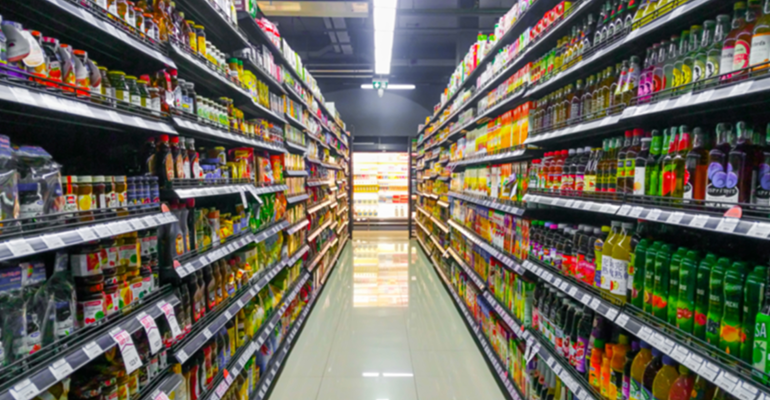
According to August 20222 data from Mintel, 45% of UK adults reported being worse off financially than they were a year ago, and more than one third of people are buying more items marked “reduced to clear.” UK shoppers are also switching from higher end supermarkets like Tesco to cheaper alternatives like Aldi and Lidl, recent data from YouGov showed.
With price tags and pressure rising, consumers are more likely to go for the least expensive options and abandon brand loyalty. In order to attract customers during this uncertain period of inflation, and even build loyalty, food brands and retailers therefore need to get creative.
For example, UK grocer Sainsbury’s held a pop-up event in London this September to teach the public about saving money by freezing more food. The so-called “Sainsfreeze” event did double duty for the brand. It educated people on food freezing safety and stretching their budget, which helps the economy and the planet. But it also gave Sainsbury’s positive publicity as an ethical, sustainable, and trustworthy brand.
“When people think about climate change, food waste often gets overlooked,” said Ruth Cranston, director of corporate responsibility and sustainability at Sainsbury’s. “Innovative freezing not only allows us to save food we would otherwise have thrown away, but also to buy reduced food close to its use-by date, saving even more money on the weekly grocery bill.”
Tesco is similarly doing its part to appeal to customers looking to save money and the planet. The supermarket chain announced a “facelift” to its “reduced to clear” products. By investing in new signage and expanded branding for its cheapest products, Tesco said it hopes to encourage shoppers to clear the shelves of items soon to expire.
Tesco has also reduced food waste in its operations by 45% since 2016, with plans to halve its waste by 2025.
“We want customers to spend less at Tesco, and our ‘Reduced in Price’ sections in stores now offer the reassurance that these products are just as nice,” said Alessandra Bellini, chief customer officer at Tesco. “We’ve locked the price of more than a thousand everyday staples until 2023 through our low everyday prices.”
 © AdobeStock/alexaphotoua
Starting Black Friday earlier
In the US, the holiday shopping season typically kicks off with Black Friday sales during the week of Thanksgiving. But retailers promoted these discounts earlier than ever this year to help customers save—Target said its 2022 Black Friday deals started three weeks earlier than last year.
The big box retailer highlighted typical deals on holiday-related gifts and food items, but also emphasised savings on everyday essentials that customers can stock up on. Target even expanded its holiday price match guarantee in an effort to top the competition and keep customers shopping in-house.
US grocery chain Kroger released a shopping guide this month to help customers save for Thanksgiving. It promotes meal options that can feed 10 people for as little as $5 per person.
Kroger also pledged that it would not pass higher turkey prices on to customers, and said it will increase total promotions, digital deals, and personalised offers throughout the holiday season. Data from a Kroger survey revealed that 48% of customers planned to cut back on at least some Thanksgiving staples due to inflationary pressures this year.
“We strive to keep prices low every day, and this Thanksgiving, we are helping our customers keep turkey at the centre of the plate by not passing on rising turkey costs,” said Stuart Aitken, senior vice president and chief merchant and marketing officer at Kroger.

Get more of our news on Google
Set Ingredients Network as a 'Preferred Source' to get quicker access to the news you value.
Related news

Kellogg accelerates work to remove artificial colours from all US cereals
3 Sep 2026
WK Kellogg has announced an accelerated timeline to eliminate all artificial colours and the chemical preservative, BHT, across its full US portfolio of cereals and cereal packaging.
Read more
Skimpflation: An ‘unfair’ and risky approach to keeping prices low
2 Sep 2026
Consumers see skimpflation – reducing the quality of ingredients due to rising costs – as more unfair than shrinkflation, making it a risky strategy according to recent research.
Read more
‘Urgent gaps’ in achieving 2030 food system goals
27 Aug 2026
Global food systems are failing to meet 2030 targets across indicators including health, environment, and resilience, according to a report co-authored by the Food and Agriculture Organisation (FAO).
Read more
Popular barbecue staples experience sharp price increases
19 Aug 2026
The typical cost of US shoppers’ barbecue baskets has risen by 12% over the past year – the fastest annual rise in a decade, figures from The Economist show.
Read more
Savoury protein snacks shake up the on-the-go market
10 Aug 2026
Sweet flavours have dominated the high-protein snack category but savoury snacks, such as cheese bars and meat sticks, can appeal to health-conscious consumers.
Read more
Digital twin technology gains ground in food manufacturing
6 Aug 2026
Food and beverage companies are increasingly turning to digital twins to optimise and automate manufacturing processes, but opportunities stretch far beyond this, say experts.
Read more
Nestlé invests in regeneratively farmed wheat for KitKat
5 Aug 2026
Nestlé will pay a premium for Wildfarmed’s regeneratively farmed wheat but the CPG remains reticent to promote the move on packs of its KitKat bars.
Read more
Codex sets global thresholds for ‘may contain’ labels
3 Aug 2026
Codex Alimentarius has adopted its first global guidance on when to use “may contain” allergen warnings, setting thresholds intended to stop the label being used as blanket legal cover.
Read more
EU sets maximum MOAH levels to protect human health
28 Jul 2026
The EU will adopt maximum levels for mineral oil aromatic hydrocarbons (MOAH) in food to protect human health. What do manufacturers need to know?
Read more
UK publishes guidance on SPS food trade agreement with EU
27 Jul 2026
The UK government has shared guidance on how food businesses can prepare for its upcoming Sanitary and Phytosanitary (SPS) agreement with the EU.
Read more