
Ingredients Categories
Finished Products
Finished Food Categories
- Bakery
- Beverages / Juices
- Cereal and grain products
- Confectionery
- Cooking Fats & Oils
- Dairy
- Egg products
- Fruits & Vegetables
- Infant & Baby food
- Meat, Poultry & Fish
- Nuts & Seeds products
- Other Finished Food Categories
- Pet Food
- Plant-based foods
- Prepared foods
- Sauces & Seasonings
- Sweet & Savoury Spreads
Specialised Finished Products
- Bee products
- Biotic products
- Dietary supplements
- Energy drinks
- Functional beverages
- Functional confectionery
- Functional food
- Functional powders
- Meal replacement products
- Nutricosmetics
- Other Specialised Finished Products
- Pet Dietary Supplements
- Pharma and OTC products
- Protein products
- Sugar replacers / Sweeteners
Health & Wellness Areas
Delivery Formats
Operations & Services
- 3D printing
- Analysis/ Testing
- Auditing & certifications
- Blending & mixing
- Bottling
- Certification
- Clinical trials
- Co-packing
- Coating
- Consulting
- Contract manufacturing
- Drying
- Electrospinning
- Encapsulating
- Enzymatic processing
- Extracting
- Extrusion
- Fat structuring
- Fermentation
- Filling
- Flavour development
- Freeze drying
- Granulating/ grinding/ milling / mixing
- High-pressure processing
- Labelling
- Other Operations & Services
- Packaging
- Packet filling
- Pasturising
- Quality assurance
- Saccharification
- Shear cell processing
- Spray drying
- Sterilisation
- Storage & Logistics
- Tabletting
- Toasting / roasting
- Ultra-high temperature processing
News
Gene-edited wheat reduces acrylamide levels
3 Mar 2023
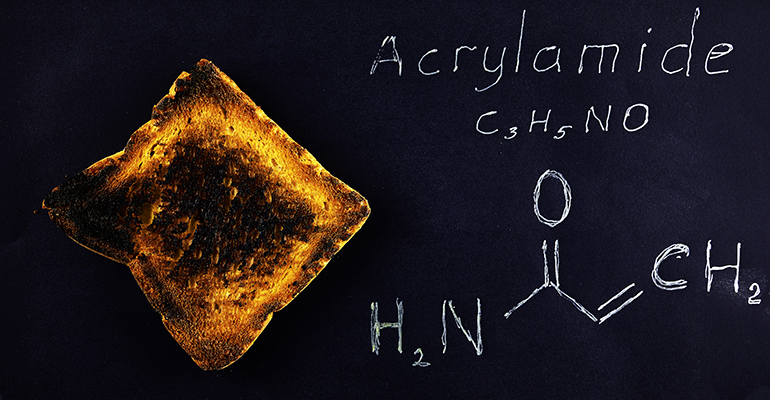
Europe’s first ever field trial of a gene-edited wheat variety, which results in a 45% reduction of acrylamide when the flour is baked, is an important step in commercialising the ingredient and allowing brands to comply with acrylamide limits in food.
The trial was an important step in its commercial viability, as the team planted the wheat in outdoor experimental fields, producing a crop that confirms the new gene-edited (GE) strain’s ability to deliver for farmers.
“The study showed that gene editing to reduce asparagine concentration in the wheat grain works just as well in the field as under glass,” said Professor Nigel Halford, research leader and crop scientist at Rothamsted Research.
“This is important because the availability of low acrylamide wheat could enable food businesses to comply with evolving regulations on the presence of acrylamide in food without costly changes to production lines or reductions in product quality. It could also have a significant impact on dietary acrylamide intake for consumers.”
“However, GE plants will only be developed for commercial use if the right regulatory framework is in place and breeders are confident that they will get a return on their investment in GE varieties,” he added.
Research used CRISPR gene-editing technology
Researchers from the UK’s Rothamsted Research used the CRISPR gene-editing technology to “knock out” a gene in the wheat which plays a role in the formation of asparagine.
When cooked, this amino acid is converted to acrylamide – a potential carcinogen that food processors are keen to control.
Findings from the trial coincide with the likely introduction of the UK’s Genetic Technology (Precision Breeding) Bill, which will provide legislation on the release and marketing of GE crops. Currently in the final stages of its passage through Parliament, the Bill’s passing spells good news for those scientists convinced that CRISPR represents an exciting development for the food industry.
 Pictured: Abstract genetics disease © iStock/koto_feja
The argument is that the genetic editing technique will be crucial in keep up with the changing environment, where current regulation has limited its use in agriculture.
British public want GE food and ingredients to be labelled
“That these important decisions will be debated in parliament is to be welcomed,“ said Dr Adrian Ely, reader in technology and sustainability at the Science Policy Research Unit at the University of Sussex.
“The issues go beyond technical risks and benefits, and any decisions will help to shape the future of the UK’s agri-food system.
“Numerous studies show that most of the British public want GE food and ingredients to be labelled. How to deliver on these demands remains a key challenge for the Bill.”
Prof Andrew Thompson, head of Cranfield University’s Soil and Agri Food Institute, said, “More precise gene editing technologies, alongside a simpler regulatory regime proposed in the Genetic Technology Bill, will certainly help such advances to be fully exploited for the benefit of farmers, consumers, and the environment.
“At Cranfield we are also helping commercial breeders to take up gene editing technology so they can more rapidly breed soft fruit varieties that have tastier, more nutritious and longer lasting fruit.”
Cost and time affecting GE business case
In last week’s National Farmers Union (NFU) Conference, the implications of GE on homegrown beet crop was the subject of a breakout session in which Stefan Meldau, R&D Lead in Biotic Stress at KWS took part.
 © iStock/FluxFactory
Outlining the commercial realities of GE for seed breeders in the UK and EU, Dr Meldau said KWS, a European company that focuses on plant breeding, had “immediate capacity” to implement GE methods once a legislative framework was in place.
However, his optimism was mixed with pragmatism and EU legislation was a factor.
“The necessary food and feed derogation to allow exports of goods using UK sugar produced using GE as an ingredient could take six years and cost €10-15 million, he said, which had implications for the business case.
Also at the conference was British Sugar’s Daniel Green, who joined a panel discussion that offered reassurances on the safety of GE and urged delegates to become advocates for the technology to help foster a positive public outlook.

Get more of our news on Google
Set Ingredients Network as a 'Preferred Source' to get quicker access to the news you value.
Related news

Kellogg accelerates work to remove artificial colours from all US cereals
3 Sep 2026
WK Kellogg has announced an accelerated timeline to eliminate all artificial colours and the chemical preservative, BHT, across its full US portfolio of cereals and cereal packaging.
Read more
‘Urgent gaps’ in achieving 2030 food system goals
27 Aug 2026
Global food systems are failing to meet 2030 targets across indicators including health, environment, and resilience, according to a report co-authored by the Food and Agriculture Organisation (FAO).
Read more
Chimac’s fusion sauces bring Korean flavours to Europe
25 Aug 2026
Irish sauce brand Chimac is tapping into Korea’s culinary traditions, bringing its flavours and products to European consumers who want a taste of K-food.
Read more
Savoury protein snacks shake up the on-the-go market
10 Aug 2026
Sweet flavours have dominated the high-protein snack category but savoury snacks, such as cheese bars and meat sticks, can appeal to health-conscious consumers.
Read more
Nestlé invests in regeneratively farmed wheat for KitKat
5 Aug 2026
Nestlé will pay a premium for Wildfarmed’s regeneratively farmed wheat but the CPG remains reticent to promote the move on packs of its KitKat bars.
Read more
How Secon Taste is putting upcycled snacks on shelves
4 Aug 2026
Hungarian zero-waste startup Secon Taste is turning surplus food into upcycled snacks such as fibre-packed granola, instant porridge, and a circular coffee-tasting box.
Read more
Codex sets global thresholds for ‘may contain’ labels
3 Aug 2026
Codex Alimentarius has adopted its first global guidance on when to use “may contain” allergen warnings, setting thresholds intended to stop the label being used as blanket legal cover.
Read more
EU sets maximum MOAH levels to protect human health
28 Jul 2026
The EU will adopt maximum levels for mineral oil aromatic hydrocarbons (MOAH) in food to protect human health. What do manufacturers need to know?
Read more
UK publishes guidance on SPS food trade agreement with EU
27 Jul 2026
The UK government has shared guidance on how food businesses can prepare for its upcoming Sanitary and Phytosanitary (SPS) agreement with the EU.
Read more
Industry hits back at UK’s proposed healthy food rules
24 Jul 2026
Food brands, including Haribo, have hit out against the UK’s proposed nutrient profiling model, which places a new focus on free sugars that are added during manufacturing.
Read more