
Ingredients Categories
Finished Products
Finished Food Categories
- Bakery
- Beverages / Juices
- Cereal and grain products
- Confectionery
- Cooking Fats & Oils
- Dairy
- Egg products
- Fruits & Vegetables
- Infant & Baby food
- Meat, Poultry & Fish
- Nuts & Seeds products
- Other Finished Food Categories
- Pet Food
- Plant-based foods
- Prepared foods
- Sauces & Seasonings
- Sweet & Savoury Spreads
Specialised Finished Products
- Bee products
- Biotic products
- Dietary supplements
- Energy drinks
- Functional beverages
- Functional confectionery
- Functional food
- Functional powders
- Meal replacement products
- Nutricosmetics
- Other Specialised Finished Products
- Pet Dietary Supplements
- Pharma and OTC products
- Protein products
- Sugar replacers / Sweeteners
Health & Wellness Areas
Delivery Formats
Operations & Services
- 3D printing
- Analysis/ Testing
- Auditing & certifications
- Blending & mixing
- Bottling
- Certification
- Clinical trials
- Co-packing
- Coating
- Consulting
- Contract manufacturing
- Drying
- Electrospinning
- Encapsulating
- Enzymatic processing
- Extracting
- Extrusion
- Fat structuring
- Fermentation
- Filling
- Flavour development
- Freeze drying
- Granulating/ grinding/ milling / mixing
- High-pressure processing
- Labelling
- Other Operations & Services
- Packaging
- Packet filling
- Pasturising
- Quality assurance
- Saccharification
- Shear cell processing
- Spray drying
- Sterilisation
- Storage & Logistics
- Tabletting
- Toasting / roasting
- Ultra-high temperature processing
News
How food-as-medicine programmes can advance retailers
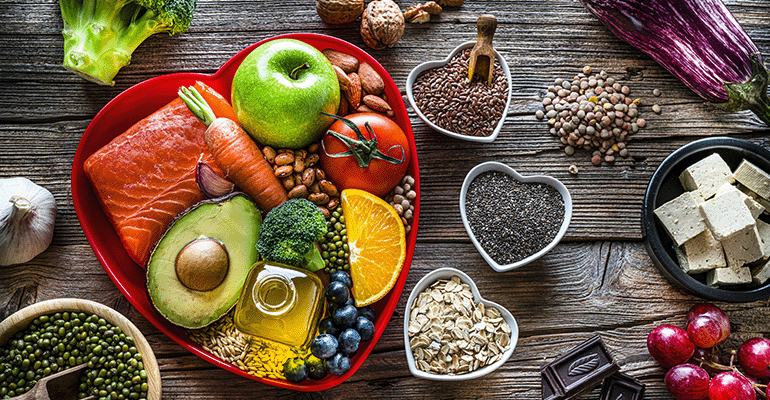
Simon Pitman, Freelance Journalist 4 Jun 2024Food programmes can not only address consumer health concerns but advance the position of retailers wanting to contribute to tackling chronic diseases in the US, according to experts speaking at the Food Is Medicine Summit.
The event, which was organised by the Food is Medicine Institute and the Friedman School of Nutrition at Tufts University in Boston, was held in April, providing an opportunity for industry leaders to discuss best practices, challenges, and ways to move forward.
It was led by Stefany Shaheen, co-founder and president of Good Measures, a company focused on providing an interface between prescriptive nutrition and health management.
Walmart, Instacart, and Kroger participate in Food Is Medicine Summit
During a panel entitled “Research advances in food retailing”, Shaheen brought together leaders from Kroger, Instacart, Season Health, and Walmart to discuss how food retailing can advance the accessibility of food prescription programmes throughout the country.
“By becoming an integral part of the healthcare ecosystem through partnership with Good Measures, food retailers expand their market reach and tap into new revenue streams,” she explained.
“Overall, the engagement in this programme cultivates a deeper connection with customers, which ultimately helps to drive long-term sustainability and growth in an increasingly health-conscious consumer landscape.”
Consumer loyalty is key to successful outcomes
The programme simultaneously works to engage with users by fostering consumer loyalty through the benefits they see to their health and wellness when they participate.
The summit discussion touched on ways that retailers can advance access to nutritious food that is tailored to people’s specific health needs, as well as taste preferences. This includes medically tailored meals as well as in-demand delivery services, all aiming to help individuals access food that can help improve health outcomes.
Food delivery business Instacart is one of the leading retail partners in the programme, participating under its Instacart Health division. Through its participation, it is aiming to help individuals and families that lack easy access to healthy foods.
Tackling poor health outcomes in food desert areas
"Our platform enables more than 95% of US households – including 93% of those located in food deserts – access to delivery of fresh, culturally relevant groceries. Through our partnerships, we’re helping build personalised food prescription programmes, tailored to individual health conditions," said Sarah Mastrorocco, vice-president and general manager of Instacart Health.
Filling the gaps in the availability of healthy and nutritious food is a significant problem in many parts of the developed world. In the US particularly, the gaps between health outcomes, socio-economic status, and the availability of good healthcare are all closely linked.
According to the USDA, 44.2 million people lived in food insecure environments in 2022, a figure that points to households having less varied diets or the necessity to lean on federal assistance to get by.
Tying in with this, the US 2022 census found that 37.9 million Americans were living in households where income levels were below the official poverty rate.
Programme has already demonstrated tangible results
By involving retailers, the programme aims to help some of the most socio-economically disadvantaged households, providing easier access to food that can lead to an improvement in their health outcomes.
Evidence is available that the programme is meeting its goals, with positive health outcomes being demonstrated in the first year of participation. Independently verified results show that a year after its December 2022 launch, 68% of participants had maintained or reduced their blood pressure, while 72% had maintained their weight and 4.5% had lost weight.
“The ultimate goal of the Good Measures Good Food Prescription is to help people feel better and improve access to healthy foods, which reduces health care costs for payers and employers,” said Shaheen.

Get more of our news on Google
Set Ingredients Network as a 'Preferred Source' to get quicker access to the news you value.
Related news

Do the US dietary guidelines put UPFs under pressure?
10 Sep 2026
Will the US dietary guidelines change the way Americans eat, swapping ultra-processed foods for whole foods? We asked Dr Barry Popkin, renowned nutrition and obesity researcher.
Read more
Kellogg accelerates work to remove artificial colours from all US cereals
3 Sep 2026
WK Kellogg has announced an accelerated timeline to eliminate all artificial colours and the chemical preservative, BHT, across its full US portfolio of cereals and cereal packaging.
Read more
Skimpflation: An ‘unfair’ and risky approach to keeping prices low
2 Sep 2026
Consumers see skimpflation – reducing the quality of ingredients due to rising costs – as more unfair than shrinkflation, making it a risky strategy according to recent research.
Read more
‘Urgent gaps’ in achieving 2030 food system goals
27 Aug 2026
Global food systems are failing to meet 2030 targets across indicators including health, environment, and resilience, according to a report co-authored by the Food and Agriculture Organisation (FAO).
Read more
Seven-Eleven uses microbial testing tech to extend katsudon shelf life
26 Aug 2026
Japanese retail company Seven-Eleven has improved its factory’s microbial environment to keep comfort-food staple, katsudon, fresher for longer.
Read more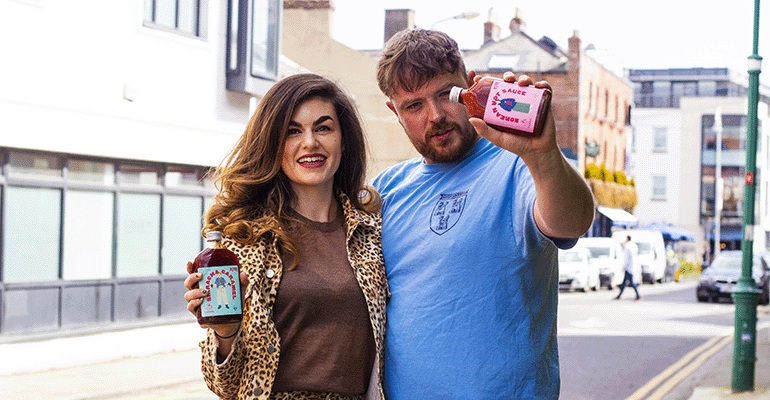
Chimac’s fusion sauces bring Korean flavours to Europe
25 Aug 2026
Irish sauce brand Chimac is tapping into Korea’s culinary traditions, bringing its flavours and products to European consumers who want a taste of K-food.
Read more
Global demand for instant noodles continues to rise
24 Aug 2026
Global demand for instant noodles reached 124.21 billion servings last year, representing a 0.7% year-on-year increase – or 900 million extra servings.
Read more
Popular barbecue staples experience sharp price increases
19 Aug 2026
The typical cost of US shoppers’ barbecue baskets has risen by 12% over the past year – the fastest annual rise in a decade, figures from The Economist show.
Read more
Hot NPD: Nissin launches first cold-water Cup Noodles
18 Aug 2026
Nissin is taking one of Japan’s most iconic instant meals in a completely new direction with the launch of the first cold water-only Cup Noodles in the brand’s 55-year history.
Read more
Beyond 'nice to have': A spotlight on US functional beverages
12 Aug 2026
Functional beverage interest in the US is gaining important ground as consumers now expect function rather than see it as "nice to have", and there are clear market gaps for growth, according to Spate.
Read more