
Ingredients Categories
Finished Products
Finished Food Categories
- Bakery
- Beverages / Juices
- Cereal and grain products
- Confectionery
- Cooking Fats & Oils
- Dairy
- Egg products
- Fruits & Vegetables
- Infant & Baby food
- Meat, Poultry & Fish
- Nuts & Seeds products
- Other Finished Food Categories
- Pet Food
- Plant-based foods
- Prepared foods
- Sauces & Seasonings
- Sweet & Savoury Spreads
Specialised Finished Products
- Bee products
- Biotic products
- Dietary supplements
- Energy drinks
- Functional beverages
- Functional confectionery
- Functional food
- Functional powders
- Meal replacement products
- Nutricosmetics
- Other Specialised Finished Products
- Pet Dietary Supplements
- Pharma and OTC products
- Protein products
- Sugar replacers / Sweeteners
Health & Wellness Areas
Delivery Formats
Operations & Services
- 3D printing
- Analysis/ Testing
- Auditing & certifications
- Blending & mixing
- Bottling
- Certification
- Clinical trials
- Co-packing
- Coating
- Consulting
- Contract manufacturing
- Drying
- Electrospinning
- Encapsulating
- Enzymatic processing
- Extracting
- Extrusion
- Fat structuring
- Fermentation
- Filling
- Flavour development
- Freeze drying
- Granulating/ grinding/ milling / mixing
- High-pressure processing
- Labelling
- Other Operations & Services
- Packaging
- Packet filling
- Pasturising
- Quality assurance
- Saccharification
- Shear cell processing
- Spray drying
- Sterilisation
- Storage & Logistics
- Tabletting
- Toasting / roasting
- Ultra-high temperature processing
News
Alcohol consumption in the US hits a record low as health concerns rise
Tessa Wiles, Content Editor - Food 3 Sep 2025Alcohol use among US adults has reached its lowest point in nearly nine decades, with growing health concerns and alternative beverage options driving a shift in drinking habits.
About half (54%) of US adults say they drink alcohol – the lowest figure analytics and advisory company Gallup has ever recorded since it began tracking Americans' drinking behaviour more than 85 years ago, in 1939.
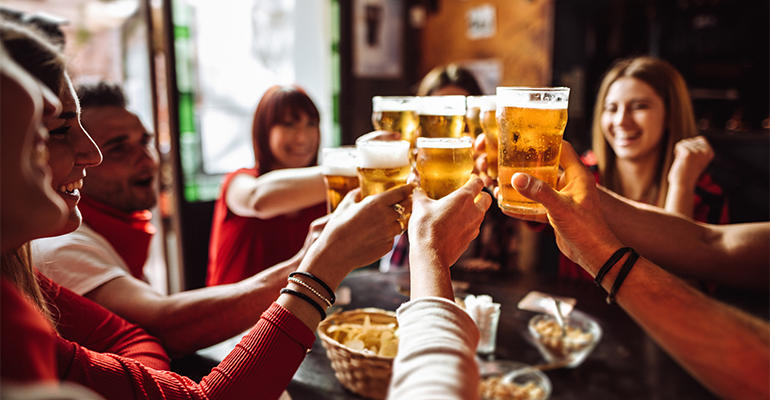
Between 1997 and 2023, consumption rates consistently hovered above 60%, before dipping to 58% in 2024 and dropping a further 4% in 2025.
Alcohol consumption: A shift in perception and a drop in frequency
Alcohol consumption is a deeply ingrained part of many societies, with records dating back 9,000 years to 7000 BC in China, where residues preserved in pottery revealed a fermented beverage containing rice, honey, and fruit.
While still an integral part of many occasions, research around the harms of alcohol continues to mount, pointing to increased overall risks of death and chronic disease, even from moderate consumption. As such, a growing number of consumers are consciously choosing to cut down or even abstain from alcohol.
According to Gallup’s 2025 survey results, more than half (53%) of Americans believe that moderate drinking – “one or two drinks a day” – is harmful to health. This represents a 25% increase from 2018, when just 28% agreed, a 14% rise from 2023 (39%), and an 8% jump since 2024 (45%).
The frequency of alcohol consumption among Americans is also steadily decreasing, with the average number of drinks people report consuming in the past week dropping to 2.8, the lowest figure since 1996.
Just under one-quarter (24%) of respondents reported having had a drink in the past 24 hours, while 40% said it had been more than a week since they last drank, the longest recorded abstinence since 2000.
Sharpest decline in alcohol consumption seen in younger adults and women
Young adults, defined by Gallup as those aged 18 to 34 years, have consistently consumed less alcohol than middle-aged adults (35 to 54 years) and older adults (55 years and older) for over a decade, with their consumption steadily declining year on year.
In 2023, three in five (59%) young adults reported drinking, but in 2025, that figure dropped nine percentage points, to half (50%).
Young adults' consumption also aligns with their perceptions of moderate drinking. In 2025, two-thirds (66%) of young adults agreed that moderate drinking is bad for one's health, higher than middle-aged adults (50%) and older adults (48%).
Women also experienced a sharper drop in consumption – from 62% in 2023 to 51% in 2025 – compared with men (62% in 2023 to 57% in 2025) and were more likely to view moderate consumption as bad for health (60% compared with 47% respectively).
Gallup also found significant differences between Americans who identified as republicans and democrats, in both their consumption and perceptions of alcohol.
In 2025, 46% of republicans reported drinking, and 44% viewed moderate drinking as unhealthy, compared with 61% and 58% of democrats respectively.
The rise of 0% alcohol and nootropic and adaptogen-infused functional beverages
Gen Z and young millennial consumers appear to be leading the charge when it comes to cutting down on alcohol consumption. Compared to other generations, gen Z is more health conscious and more interested in exploring new experiences and products.
Consumer research from Mintel indicates that this shift toward lower alcohol consumption extends beyond the US. In Britain, around one-third of 18- to 24-year-olds identify as non-drinkers, while those who do consume alcohol say they primarily do so as a treat, to relax, or to mark special occasions.
Interest in nutrition also plays a role in this trend toward sober curiosity, with low- and no-alcohol drinks presenting as appealing options due to their low-calorie counts and added functional benefits.
In direct response, the functional drinks market is expanding, and new products infused with adaptogens, and nootropics are landing on supermarket shelves.
US-based Little Saints, for example, has a range of six cocktails – negroni spritz, spicy margarita, paloma, ginger mule, espresso martini, and mojito. However, instead of alcohol, the beverages are packed with reishi mushroom extract, while the company’s spirits line – St Ember and St Juniper – contains lion’s mane mushroom extract.
In 2025, UK beer brand Prime Time, known for its low-calorie and low-carb beer, launched Prime Time Zero, its first alcohol-free lager, which has also been infused with magnesium and vitamin B12, claiming to support muscle function, mental focus, and help fight fatigue.

Get more of our news on Google
Set Ingredients Network as a 'Preferred Source' to get quicker access to the news you value.
Related news

Do the US dietary guidelines put UPFs under pressure?
10 Sep 2026
Will the US dietary guidelines change the way Americans eat, swapping ultra-processed foods for whole foods? We asked Dr Barry Popkin, renowned nutrition and obesity researcher.
Read more
Food fraud costs UK economy £2bn each year
9 Sep 2026
Food fraud is costing the UK economy up to £2 billion (€2.3 billion) every year although the food sector is more “resilient” than others, according to a recent study.
Read more
Skimpflation: An ‘unfair’ and risky approach to keeping prices low
2 Sep 2026
Consumers see skimpflation – reducing the quality of ingredients due to rising costs – as more unfair than shrinkflation, making it a risky strategy according to recent research.
Read more
NielsenIQ’s EU barometer shows Britain leading in grocery inflation
31 Aug 2026
Britain was the only country to record grocery inflation above 2%, according to NielsenIQ data that compared Europe’s five biggest grocery markets from February to May 2026.
Read more
‘Urgent gaps’ in achieving 2030 food system goals
27 Aug 2026
Global food systems are failing to meet 2030 targets across indicators including health, environment, and resilience, according to a report co-authored by the Food and Agriculture Organisation (FAO).
Read more
China beverages: Is herbal innovation the future?
20 Aug 2026
Herbal and botanical innovation in China's drinks market continues to grow, with ingredients like astragalus root, ginger, and ginseng in the spotlight – and focus shifting far beyond refreshment.
Read more
Popular barbecue staples experience sharp price increases
19 Aug 2026
The typical cost of US shoppers’ barbecue baskets has risen by 12% over the past year – the fastest annual rise in a decade, figures from The Economist show.
Read more
Beyond 'nice to have': A spotlight on US functional beverages
12 Aug 2026
Functional beverage interest in the US is gaining important ground as consumers now expect function rather than see it as "nice to have", and there are clear market gaps for growth, according to Spate.
Read more
Manam Chocolate aims to bring premium Indian cacao to 'the world stage'
11 Aug 2026
Craft chocolate brand Manam Chocolate is investing in local expansion and supply chain innovation throughout India as it works to build out the premium reputation of its locally produced cacao products.
Read more
Digital twin technology gains ground in food manufacturing
6 Aug 2026
Food and beverage companies are increasingly turning to digital twins to optimise and automate manufacturing processes, but opportunities stretch far beyond this, say experts.
Read more