
Ingredients Categories
Finished Products
Finished Food Categories
- Bakery
- Beverages / Juices
- Cereal and grain products
- Confectionery
- Cooking Fats & Oils
- Dairy
- Egg products
- Fruits & Vegetables
- Infant & Baby food
- Meat, Poultry & Fish
- Nuts & Seeds products
- Other Finished Food Categories
- Pet Food
- Plant-based foods
- Prepared foods
- Sauces & Seasonings
- Sweet & Savoury Spreads
Specialised Finished Products
- Bee products
- Biotic products
- Dietary supplements
- Energy drinks
- Functional beverages
- Functional confectionery
- Functional food
- Functional powders
- Meal replacement products
- Nutricosmetics
- Other Specialised Finished Products
- Pet Dietary Supplements
- Pharma and OTC products
- Protein products
- Sugar replacers / Sweeteners
Health & Wellness Areas
Delivery Formats
Operations & Services
- 3D printing
- Analysis/ Testing
- Auditing & certifications
- Blending & mixing
- Bottling
- Certification
- Clinical trials
- Co-packing
- Coating
- Consulting
- Contract manufacturing
- Drying
- Electrospinning
- Encapsulating
- Enzymatic processing
- Extracting
- Extrusion
- Fat structuring
- Fermentation
- Filling
- Flavour development
- Freeze drying
- Granulating/ grinding/ milling / mixing
- High-pressure processing
- Labelling
- Other Operations & Services
- Packaging
- Packet filling
- Pasturising
- Quality assurance
- Saccharification
- Shear cell processing
- Spray drying
- Sterilisation
- Storage & Logistics
- Tabletting
- Toasting / roasting
- Ultra-high temperature processing
News
How the food industry can tap into demand from viral TikTok trends
Simon Pitman, Freelance Journalist 10 Jun 2025UK supermarket chains have cited TikTok trends as a key driver behind the soaring popularity of F&B products, presenting a timely opportunity for brands – if they adopt the right strategy.
In recent months, several leading UK retailers, including Tesco, Waitrose, and Aldi, have acknowledged that viral TikTok recipes and ingredient hacks are creating surges in consumer demand.
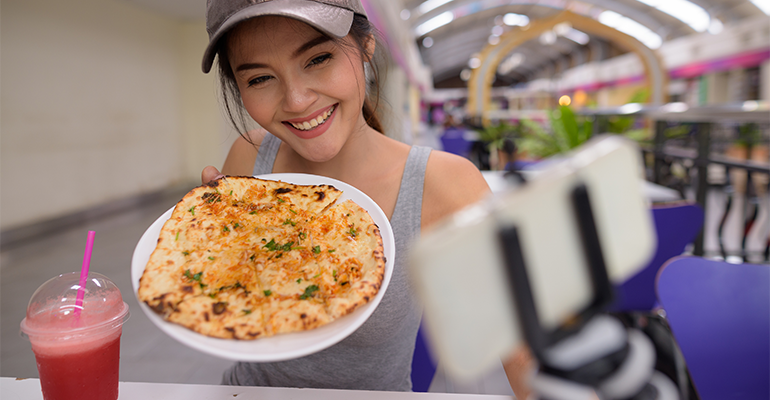
So far in 2025, standout TikTok food trends in the UK include functional foods, high-protein snacks, and drinks, as well as niche items like cloud bread, cocoa bombs, cucumber salad variations, and baked cottage cheese.
Waitrose uses AI and social data to forecast trends
Waitrose has responded to this shift by highlighting 85 new products designed to align with trending TikTok content expected to peak during the summer.
Maddy Wilson, director of own brand at Waitrose, noted that nostalgic summer dishes, grazing platters, modern Mediterranean cuisine, and dips with unexpected flavours are all poised to perform well.
To identify these trends, the Waitrose team turned to AI tools and social listening techniques across digital platforms.
“We have used AI and social media trends to ensure we are ahead of the curve and supplying the flavours and ingredients customers are currently craving, while allowing them to discover something new,” said Wilson.
How food brands can leverage social media trends
Vhari Russell, founder of The Food Marketing Experts – an agency that advises F&B companies – stressed that brands should actively monitor emerging social media trends.
However, she cautioned against simply chasing the latest viral moment.
“Our advice would be to keep an eye on the channels that your customers use and listen to what they are talking about and what is popular as that is what you need to focus on,” she said.
“There is no point jumping on a trend that doesn't resonate with your customers as it won't help drive sales of your products. We would also advocate working with strong influencers on TikTok as that will also enable you to drive following, engagement, and sales.”
Why smaller brands can have the edge
While large brands may have greater marketing firepower, smaller businesses can respond faster to fleeting TikTok opportunities – particularly if they are already monitoring social media closely.
“Creating content can be quick and easier for smaller brands, which enables you to be part of the action quicker than bigger brands. You are not making Oscar-winning content – some of the content can be a little rough and ready, and be reflective of the moment in order to capitalise on the opportunity,” said Russell.
Capitalising on demand spikes
The viral Dubai chocolate trend offers a clear example of the power of TikTok.
The creamy pistachio bar – which was invented in 2021 by an engineer seeking to manage her pregnancy cravings – spawned a worldwide craze following widespread exposure on the platform.
UK retailers saw stock fly off shelves, with names from Lindt to Lidl creating copycat versions.
Russell suggested that brands seek out ways to link such surges to their own offerings.
“Sometimes it can be a numbers game. You can send it out to a large number of people at the same time, which can create more noise/content to increase engagement. Work on collaborations that benefit you as [much as] the other brand/ influencers; if you both benefit from it, it's a success,” she said.
However, viral trends can also bring stock challenges – both in finished goods and raw ingredients. Russell offered simple but effective advice to mitigate the disappointment of product shortages.
“Be honest, and make the product more quickly, but always create a waiting list, and make it so special that people are happy to sign up to get their order. Customers often have FOMO [fear of missing out], so creating a special waiting list is a good way in which to get customers to order and keep them happy,” she said.
From flash trends to lasting growth
While riding a viral wave can create short-term spikes, Russell cautioned that businesses must think strategically to convert surges in interest into lasting gains.
“We would advocate may to make hay when the sun shines, and try to keep as many of the customers as regular customers as possible,” she said. “Tweak, learn, and try and use it as a steppingstone to your success.”

Get more of our news on Google
Set Ingredients Network as a 'Preferred Source' to get quicker access to the news you value.
Related news

M&S launches own-brand pet food range
11 Sep 2026
UK retailer Marks & Spencer has launched its own-brand pet food line Paws & Pals – a well-timed and strategic move that will appeal to loyal shoppers, says a marketing expert.
Read more
Do the US dietary guidelines put UPFs under pressure?
10 Sep 2026
Will the US dietary guidelines change the way Americans eat, swapping ultra-processed foods for whole foods? We asked Dr Barry Popkin, renowned nutrition and obesity researcher.
Read more
Food fraud costs UK economy £2bn each year
9 Sep 2026
Food fraud is costing the UK economy up to £2 billion (€2.3 billion) every year although the food sector is more “resilient” than others, according to a recent study.
Read more
Health and wellness engagement matures across Middle East and Africa
4 Sep 2026
Many consumers in the Middle East and Africa are now proactively engaged in health and wellness, looking to integrate better habits and products into their daily lives, say experts.
Read more
Kellogg accelerates work to remove artificial colours from all US cereals
3 Sep 2026
WK Kellogg has announced an accelerated timeline to eliminate all artificial colours and the chemical preservative, BHT, across its full US portfolio of cereals and cereal packaging.
Read more
Skimpflation: An ‘unfair’ and risky approach to keeping prices low
2 Sep 2026
Consumers see skimpflation – reducing the quality of ingredients due to rising costs – as more unfair than shrinkflation, making it a risky strategy according to recent research.
Read more
Royal Canin launches ‘freshly-cooked’ therapeutic dog food
1 Sep 2026
Mars-owned Royal Canin has moved into the therapeutic diet sector with the launch of its Fresh Veterinary Diets range for dogs with health conditions. We asked a veterinary nutritionist for her opinion.
Read more
NielsenIQ’s EU barometer shows Britain leading in grocery inflation
31 Aug 2026
Britain was the only country to record grocery inflation above 2%, according to NielsenIQ data that compared Europe’s five biggest grocery markets from February to May 2026.
Read more
‘Urgent gaps’ in achieving 2030 food system goals
27 Aug 2026
Global food systems are failing to meet 2030 targets across indicators including health, environment, and resilience, according to a report co-authored by the Food and Agriculture Organisation (FAO).
Read more
Seven-Eleven uses microbial testing tech to extend katsudon shelf life
26 Aug 2026
Japanese retail company Seven-Eleven has improved its factory’s microbial environment to keep comfort-food staple, katsudon, fresher for longer.
Read more