
Ingredients Categories
Finished Products
Finished Food Categories
- Bakery
- Beverages / Juices
- Cereal and grain products
- Confectionery
- Cooking Fats & Oils
- Dairy
- Egg products
- Fruits & Vegetables
- Infant & Baby food
- Meat, Poultry & Fish
- Nuts & Seeds products
- Other Finished Food Categories
- Pet Food
- Plant-based foods
- Prepared foods
- Sauces & Seasonings
- Sweet & Savoury Spreads
Specialised Finished Products
- Bee products
- Biotic products
- Dietary supplements
- Energy drinks
- Functional beverages
- Functional confectionery
- Functional food
- Functional powders
- Meal replacement products
- Nutricosmetics
- Other Specialised Finished Products
- Pet Dietary Supplements
- Pharma and OTC products
- Protein products
- Sugar replacers / Sweeteners
Health & Wellness Areas
Delivery Formats
Operations & Services
- 3D printing
- Analysis/ Testing
- Auditing & certifications
- Blending & mixing
- Bottling
- Certification
- Clinical trials
- Co-packing
- Coating
- Consulting
- Contract manufacturing
- Drying
- Electrospinning
- Encapsulating
- Enzymatic processing
- Extracting
- Extrusion
- Fat structuring
- Fermentation
- Filling
- Flavour development
- Freeze drying
- Granulating/ grinding/ milling / mixing
- High-pressure processing
- Labelling
- Other Operations & Services
- Packaging
- Packet filling
- Pasturising
- Quality assurance
- Saccharification
- Shear cell processing
- Spray drying
- Sterilisation
- Storage & Logistics
- Tabletting
- Toasting / roasting
- Ultra-high temperature processing
News
UK Government overhauls childhood obesity strategy
Natasha Spencer-Jolliffe, Freelance Journalist 21 Nov 2025The UK Government has announced a new package of measures designed to reverse the nation’s childhood obesity epidemic following the release of statistics revealing the scale of the crisis.
On 4 November, the UK Government announced plans to tackle the country’s rising childhood obesity epidemic, after the Department of Health and Social Care, the Department for Education, and the National Health Service (NHS) collaborated on proposals to address the escalating levels of childhood obesity.

Except for the Covid-19 pandemic peak, the latest figures show the highest childhood obesity prevalence rates the country has seen in reception children since records first began in 2006-2007.
The National Child Measurement Programme (NCMP) annual report shows that 10.5% of children in reception and 22.2% of year six children are living with obesity.
“These figures are extremely concerning – obesity can have a devastating impact on children’s health, increasing their risk of type 2 diabetes, cancer, mental health issues, and many other illnesses, which can sadly lead to shorter and unhappier lives,” said Professor Simon Kenny, NHS national clinical director for children and young people.
Childhood obesity rates require action, deprivation gap grows
On 30 October, the World Health Organization (WHO) released its latest European Childhood Obesity Surveillance Initiative (COSI), covering 2022-2024.
Gathering data from about 470,000 children aged six to nine years across 37 countries, it found that overall, 11% of children aged seven to nine years are living with obesity, while 25% are living with being overweight, including obesity.
The report highlighted that considerable differences exist between countries, with obesity prevalence rates varying between 3% in Uzbekistan to 20% in Cyprus. In most countries analysed, more than one in 10 children was living with obesity. This figure rose to almost one in five in several southern European countries.
Taken from the academic year 2024 to 2025, results from over 1.1 million children measured across state-maintained schools in England show that children from black ethnic groups are more likely to be living with obesity than other ethnic groups.
Furthermore, more than double the number of children are living with obesity in the most deprived areas compared with the least deprived, varying from 14% vs 6.9% in reception-aged children and 29.3% versus 13.5% in year six students. The UK Government has found that this deprivation gap has widened since the programme began.
“This government will not look away as kids get unhealthier and critics urge us to leave them behind,” said Wes Streeting, Health and Social Care Secretary for the UK Government.
“Obesity robs children of the best possible start in life, sets them up for a lifetime of health problems, and costs the NHS billions.”
UK re-envisions childhood obesity strategy
The UK Government’s new obesity strategy aims to implement preventive actions to reverse rising rates, with initiatives that focus on supporting children, parents, and caregivers with food choices at home, at school, and in the playground.
It will implement restrictions on junk food advertising, expand free school meals, and introduce universal free breakfast clubs to encourage healthier eating.
Through these measures, the UK Government aims to help the country act now, make healthy choices easy and support families in turning the tide on childhood obesity.
“This is prevention, not punishment, and will help families and children across the country,” said Streeting.
Clamping down on junk food
In one of the prevention measures, the UK Government said it was making improvements to the “out-of-date system” used to categorise the health credentials of foods.
Subsequently, all large businesses will need to report on the healthiness of their finished products. The Government will also develop targets designed to enhance children’s health, prompting further changes to food packaging and claims.
Foods including yoghurts, fruit juices, and cereals will be labelled as junk food under the proposed obesity strategy.
And junk food and drink advertisements will be restricted in an effort to shield children from exposure to less healthy food and drinks. Adverts of this description will be pulled from television before 9pm and online. The Government anticipates that this will take away up to 7.2 billion calories per year from children’s diets.
Restrictions will also apply to “buy more to save” promotions. Popular sales strategies, such as “buy one get one free” and “three for two”, on less healthy foods will be subject to new rules.
By implementing this policy, the UK Government anticipates delivering health benefits worth £2 billion and achieving £180 million in NHS savings over a 25-year period.
Reducing exposure to high-caffeine energy drinks
The UK Government is also consulting on plans to ban food and drink retailers from selling high-caffeine energy drinks to individuals under 16.
Currently, around 100,000 children drink at least one high-caffeine energy drink a day. If introduced, the government said the ban could avoid obesity in up to 40,000 children and provide long-term health advantages.
“High-caffeine energy drinks have no place in children’s hands,” said Katharine Jenner, director at Obesity Health Alliance. “This is a common-sense, evidence-based step to protect children’s physical, mental and dental health.”
The Government’s consultation on high-caffeine energy drinks closes on 26 November. It explores the types of products and businesses that would fall within the proposed ban's scope, including how the ban would apply to products sold in vending machines. It also considers the timeframe for businesses and enforcement authorities to implement the ban and how it would be enforced.
Cutting sugar from baby food formulations
In August, the UK Government released new guidelines requiring baby food manufacturers to lower their sugar and salt levels, and improve labelling.
The update, which is in response to misleading marketing practices, aims to make it easier for parents to choose healthier options. Baby food manufacturers were given 18 months to reformulate their finished products for children up to 36 months old.
Concerns over sugar levels found in snack foods also informed this reformulation decision. The Government said that data has revealed that this high sugar content contributes to childhood obesity rates, with UK levels among the highest in western Europe.

Get more of our news on Google
Set Ingredients Network as a 'Preferred Source' to get quicker access to the news you value.
Related news

M&S launches own-brand pet food range
11 Sep 2026
UK retailer Marks & Spencer has launched its own-brand pet food line Paws & Pals – a well-timed and strategic move that will appeal to loyal shoppers, says a marketing expert.
Read more
Do the US dietary guidelines put UPFs under pressure?
10 Sep 2026
Will the US dietary guidelines change the way Americans eat, swapping ultra-processed foods for whole foods? We asked Dr Barry Popkin, renowned nutrition and obesity researcher.
Read more
Food fraud costs UK economy £2bn each year
9 Sep 2026
Food fraud is costing the UK economy up to £2 billion (€2.3 billion) every year although the food sector is more “resilient” than others, according to a recent study.
Read more
Kellogg accelerates work to remove artificial colours from all US cereals
3 Sep 2026
WK Kellogg has announced an accelerated timeline to eliminate all artificial colours and the chemical preservative, BHT, across its full US portfolio of cereals and cereal packaging.
Read more
‘Urgent gaps’ in achieving 2030 food system goals
27 Aug 2026
Global food systems are failing to meet 2030 targets across indicators including health, environment, and resilience, according to a report co-authored by the Food and Agriculture Organisation (FAO).
Read more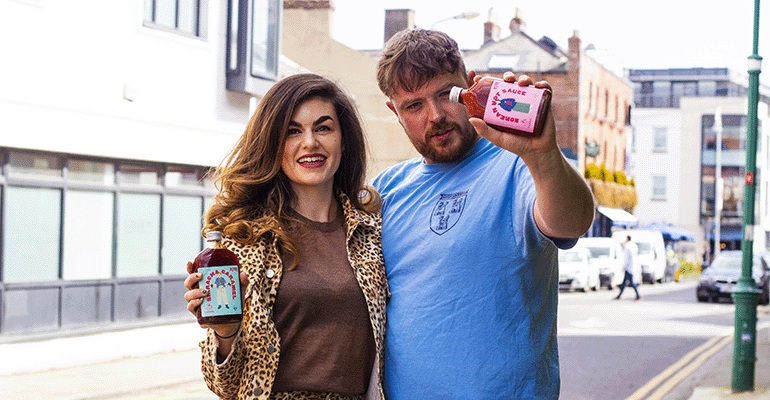
Chimac’s fusion sauces bring Korean flavours to Europe
25 Aug 2026
Irish sauce brand Chimac is tapping into Korea’s culinary traditions, bringing its flavours and products to European consumers who want a taste of K-food.
Read more
Savoury protein snacks shake up the on-the-go market
10 Aug 2026
Sweet flavours have dominated the high-protein snack category but savoury snacks, such as cheese bars and meat sticks, can appeal to health-conscious consumers.
Read more
Nestlé invests in regeneratively farmed wheat for KitKat
5 Aug 2026
Nestlé will pay a premium for Wildfarmed’s regeneratively farmed wheat but the CPG remains reticent to promote the move on packs of its KitKat bars.
Read more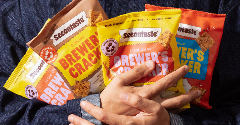
How Secon Taste is putting upcycled snacks on shelves
4 Aug 2026
Hungarian zero-waste startup Secon Taste is turning surplus food into upcycled snacks such as fibre-packed granola, instant porridge, and a circular coffee-tasting box.
Read more
Codex sets global thresholds for ‘may contain’ labels
3 Aug 2026
Codex Alimentarius has adopted its first global guidance on when to use “may contain” allergen warnings, setting thresholds intended to stop the label being used as blanket legal cover.
Read more