
Ingredients Categories
Finished Products
Finished Food Categories
- Bakery
- Beverages / Juices
- Cereal and grain products
- Confectionery
- Cooking Fats & Oils
- Dairy
- Egg products
- Fruits & Vegetables
- Infant & Baby food
- Meat, Poultry & Fish
- Nuts & Seeds products
- Other Finished Food Categories
- Pet Food
- Plant-based foods
- Prepared foods
- Sauces & Seasonings
- Sweet & Savoury Spreads
Specialised Finished Products
- Bee products
- Biotic products
- Dietary supplements
- Energy drinks
- Functional beverages
- Functional confectionery
- Functional food
- Functional powders
- Meal replacement products
- Nutricosmetics
- Other Specialised Finished Products
- Pet Dietary Supplements
- Pharma and OTC products
- Protein products
- Sugar replacers / Sweeteners
Health & Wellness Areas
Delivery Formats
Operations & Services
- 3D printing
- Analysis/ Testing
- Auditing & certifications
- Blending & mixing
- Bottling
- Certification
- Clinical trials
- Co-packing
- Coating
- Consulting
- Contract manufacturing
- Drying
- Electrospinning
- Encapsulating
- Enzymatic processing
- Extracting
- Extrusion
- Fat structuring
- Fermentation
- Filling
- Flavour development
- Freeze drying
- Granulating/ grinding/ milling / mixing
- High-pressure processing
- Labelling
- Other Operations & Services
- Packaging
- Packet filling
- Pasturising
- Quality assurance
- Saccharification
- Shear cell processing
- Spray drying
- Sterilisation
- Storage & Logistics
- Tabletting
- Toasting / roasting
- Ultra-high temperature processing
News
Innova research highlights how floral flavours are having a moment
Simon Pitman, Freelance Journalist 22 Apr 2024Florals are among the most desirable flavours for global consumers right now, a trend that is tied to their association with health and nutritional properties.
A global consumer survey conducted by market intelligence company Innova Market Insights asked about flavour preferences. The findings are included as part of its newly published report, “Top Trends in Flavours for 2024 – Global”. Of particular interest is the fact that the report highlights how a broad range of floral ingredients came out as the fastest-growing flavour preference for packaged foods.
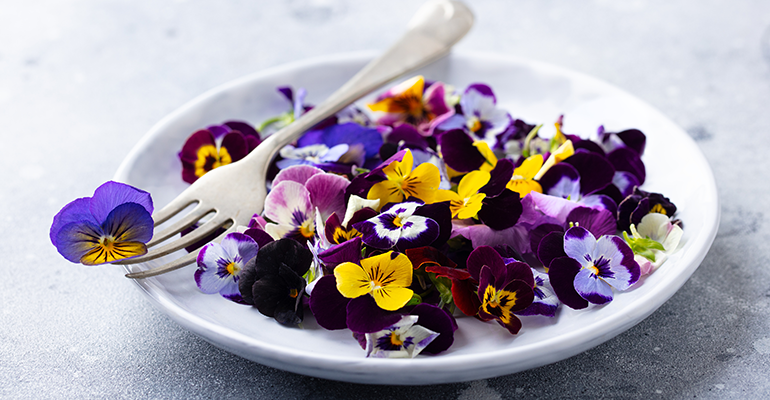
The survey findings also pointed to herbs, spices, and seeds, as the next most popular flavour trends. The research notes that all of these flavour preferences are linked to the fact that consumers are increasingly opting for food and drink that they associate with healthier properties.
Innova research links floral flavours to health benefits
Backing this up, Innova’s consumer survey showed that over half of the individuals it interviewed said they were opting for healthy flavours. In addition, their purchasing decisions were significantly influenced by flavours associated with better-for-you food and beverage options.
“Hibiscus, chamomile, and rose are the top floral flavours we see in new product launches in the past five years and all of these three are showing a growing trend,” said Marieke Bokkes, market analyst at Innova Market Insights.
“Some other growing flavours in new product launches are cherry blossom (CAGR 2019-2023: +8%) and chrysanthemum (CAGR 2019-2023: +8%). Some emerging floral flavours are passionflower (CAGR 2019-2023: +26%) and peach blossom (CAGR 2019-2023: +22%).”
A look at food and beverage launches featuring florals
Innova’s research has also singled out a number of recent beverage launches that have highlighted floral flavours, including Starbucks Sakura Matcha with Sakur Jelly, launched in Japan and featuring cherry blossom flavour; as well as Fanta Lemon and Elderflower, launched in Germany.
The research also points to many food launches with floral flavours, including Dukat Sensia Fierbera Yoghurt, with Inulin and lavender flavours, launched in Turkey, as well as a Haagen Daz’s Limited Edition Blooming Blueberry Tart Ice Cream in Singapore, marketed on the back as having floral notes.
Clearly, the healthier association with floral flavours is helping to drive consumer interest and resulting launch activity. Innova’s survey also noted that more than half of those interviewed perceive food and beverage products with herbal or floral botanical flavours as good for their health.
Floral flavours and functional ingredients linked to wellness
The survey also points to consumers’ linking foods with floral flavouring and functional ingredients as being particularly beneficial to holistic wellness, which is a key consumer trend in the food and beverage industry right now.
“Consumers believe that food and beverage with botanical flavours are good for their health,” said Bokkes. “Several botanical ingredients are also linked to [providing] specific benefits.”
“When we are looking at consumer data for floral flavours, we are seeing that consumers are preferring products with floral flavours especially when they want to feel relaxed/calm.”
The preference for these flavours also transcends health and wellness, with the association of florals as being natural, lending itself to a more favourable sustainability perception. This is backed up by further survey results showing that two out of three consumers perceive botanical flavoured ingredients as generally more sustainable.
Are floral notes seasonal or here to stay?
While the Innova research points to the fact that most of the food and beverage launches currently hitting the market feature natural floral fragrances, it also found that a smaller number of launches include synthetic floral ingredients.
Asked whether floral notes might be more of a seasonal trend, Bokkes commented that this could be the case, although there is the scope for it to expand beyond that.
“Ultimately this will depend on the floral flavour. Floral flavours that are linked to having a calming and/or relaxing effect (such as chamomile and lavender) will not be limited to just spring and summer,” said Bokkes.

Get more of our news on Google
Set Ingredients Network as a 'Preferred Source' to get quicker access to the news you value.
Related news

Do the US dietary guidelines put UPFs under pressure?
10 Sep 2026
Will the US dietary guidelines change the way Americans eat, swapping ultra-processed foods for whole foods? We asked Dr Barry Popkin, renowned nutrition and obesity researcher.
Read more
Food fraud costs UK economy £2bn each year
9 Sep 2026
Food fraud is costing the UK economy up to £2 billion (€2.3 billion) every year although the food sector is more “resilient” than others, according to a recent study.
Read more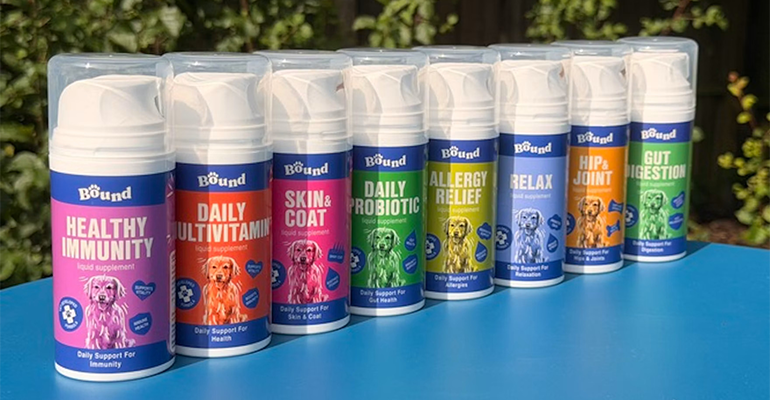
Pump-based liquid pet supplement focuses on health and convenience
8 Sep 2026
Prefera Pet Food uses a plastic pump-based packaging to make administering its liquid supplements for cats and dogs easier, healthier, and more accurate.
Read more
Health and wellness engagement matures across Middle East and Africa
4 Sep 2026
Many consumers in the Middle East and Africa are now proactively engaged in health and wellness, looking to integrate better habits and products into their daily lives, say experts.
Read more
Kellogg accelerates work to remove artificial colours from all US cereals
3 Sep 2026
WK Kellogg has announced an accelerated timeline to eliminate all artificial colours and the chemical preservative, BHT, across its full US portfolio of cereals and cereal packaging.
Read more
Royal Canin launches ‘freshly-cooked’ therapeutic dog food
1 Sep 2026
Mars-owned Royal Canin has moved into the therapeutic diet sector with the launch of its Fresh Veterinary Diets range for dogs with health conditions. We asked a veterinary nutritionist for her opinion.
Read more
‘Urgent gaps’ in achieving 2030 food system goals
27 Aug 2026
Global food systems are failing to meet 2030 targets across indicators including health, environment, and resilience, according to a report co-authored by the Food and Agriculture Organisation (FAO).
Read more
Seven-Eleven uses microbial testing tech to extend katsudon shelf life
26 Aug 2026
Japanese retail company Seven-Eleven has improved its factory’s microbial environment to keep comfort-food staple, katsudon, fresher for longer.
Read more
Chimac’s fusion sauces bring Korean flavours to Europe
25 Aug 2026
Irish sauce brand Chimac is tapping into Korea’s culinary traditions, bringing its flavours and products to European consumers who want a taste of K-food.
Read more
China beverages: Is herbal innovation the future?
20 Aug 2026
Herbal and botanical innovation in China's drinks market continues to grow, with ingredients like astragalus root, ginger, and ginseng in the spotlight – and focus shifting far beyond refreshment.
Read more