
Ingredients Categories
Finished Products
Finished Food Categories
- Bakery
- Beverages / Juices
- Cereal and grain products
- Confectionery
- Cooking Fats & Oils
- Dairy
- Egg products
- Fruits & Vegetables
- Infant & Baby food
- Meat, Poultry & Fish
- Nuts & Seeds products
- Other Finished Food Categories
- Pet Food
- Plant-based foods
- Prepared foods
- Sauces & Seasonings
- Sweet & Savoury Spreads
Specialised Finished Products
- Bee products
- Biotic products
- Dietary supplements
- Energy drinks
- Functional beverages
- Functional confectionery
- Functional food
- Functional powders
- Meal replacement products
- Nutricosmetics
- Other Specialised Finished Products
- Pet Dietary Supplements
- Pharma and OTC products
- Protein products
- Sugar replacers / Sweeteners
Health & Wellness Areas
Delivery Formats
Operations & Services
- 3D printing
- Analysis/ Testing
- Auditing & certifications
- Blending & mixing
- Bottling
- Certification
- Clinical trials
- Co-packing
- Coating
- Consulting
- Contract manufacturing
- Drying
- Electrospinning
- Encapsulating
- Enzymatic processing
- Extracting
- Extrusion
- Fat structuring
- Fermentation
- Filling
- Flavour development
- Freeze drying
- Granulating/ grinding/ milling / mixing
- High-pressure processing
- Labelling
- Other Operations & Services
- Packaging
- Packet filling
- Pasturising
- Quality assurance
- Saccharification
- Shear cell processing
- Spray drying
- Sterilisation
- Storage & Logistics
- Tabletting
- Toasting / roasting
- Ultra-high temperature processing
News
Is a US food law loophole affecting safety?
Natasha Spencer-Jolliffe, Freelance Journalist 16 Sep 2024The US Food and Drug Administration (FDA) allows companies to self-regulate the safety of their ingredients and additives by declaring them to be “generally recognised as safe” (GRAS), which poses huge public safety concerns, say researchers.
The researchers from New York University state that there are gaps in the FDA's review process, which may disrupt its ability to determine which substances are “generally recognised as safe” (GRAS).
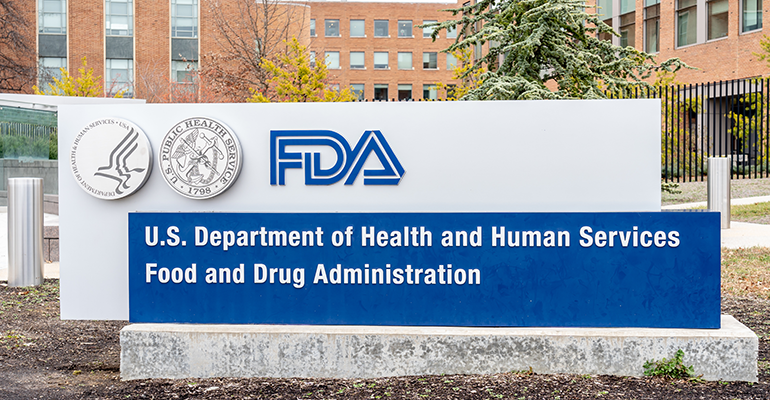
The FDA is responsible for ensuring the safety of the US food supply, establishing rules for nutritional labelling, collaborating with companies on food recalls, and addressing foodborne illness outbreaks. According to the research article, published in the American Journal of Public Health, the FDA has adopted a more passive stance regarding overseeing additives in our food and specific ingredients’ safety.
While it evaluates premarket safety for those ingredients regulated as food additives, the FDA allows the food industry to self-regulate and determine which items to classify as GRAS. Companies can then decide whether to disclose the safety data of these ingredients and their use to the FDA. Many new substances have been introduced into the food supply without government oversight, leading to potential risks.
The New York University professors say this legal loophole allows unsafe ingredien ts to enter US foods and the wider supply chain, and that increasingly prevalent health concerns in today’s food system, including diet-related diseases, are partly due to this loophole in federal law.
“The biggest takeaway for consumers is that people should stop eating ultra-processed foods as much as possible,” Jennifer Pomeranz, associate professor of public health policy and management at NYU School of Global Public Health and the study’s first author, told Ingredients Network.
“Both the FDA and the public are unaware of how many of these ingredients – which are most commonly found in ultra-processed foods – are in our food supply.”
Inadequate safety reviews
In addition, the researchers state that the FDA does not have a formal approach to reviewing food additives and GRAS substances already found in the food supply. After an ingredient enters the market, the FDA can review new data indicating its potential harm and risks. Where needed, the FDA will take further action to instruct the manufacturer to modify their formulation to lower or remove the ingredient entirely.
The FDA stated in March 2024 that it would review 21 chemicals found in foods to ascertain whether they should stay on our shelves or require further action. One of these food additives the FDA is reviewing is potassium bromate, a chemical added to baked goods and drinks, which is banned in numerous global markets, including Europe, Canada, China and Japan. In the US, California passed a law in October 2023 to ban its use in food with three other chemicals. New York, Illinois, and Pennsylvania have also passed similar bills.
“This is a stark example of the FDA’s regulatory gap,” said Pomeranz. “We’re seeing states starting to act to fill the regulatory void left by the FDA’s inaction over substances increasingly associated with harm.”
The researchers also state that the FDA’s lack of GRAS ingredient examination is limited as it rarely rescinds the classification once given. During their research, an FDA inventory showed that only 15 substances were categorised as GRAS and then declassified. Furthermore, the FDA does not regularly review foods with GRAS ingredients that can be safe at low levels but not in larger amounts, such as sugar, salt or caffeine.
Closing the legal loophole
The professors propose several recommendations to improve the FDA and US Congress’s ability to evaluate and govern GRAS substance and food additive safety.
Among these, the researchers suggest including a new requirement for companies to publicly notify the FDA when they use GRAS ingredients and share their safety data before using them in foods. The New York University researchers also suggest creating a stringent review process to reassess the safety of GRAS ingredients and food additives once they are on the market, AND clarifying the difference between GRAS ingredients and food additives.
To bolster the FDA’s ability to oversee the food supply, researchers suggest Congress could assign additional resources to the organisation or create a user fee program whereby food companies pay for the FDA to review ingredients’ safety before manufacturers add them into their formulations.
“Both the FDA and Congress can do more to enable the FDA to meet its mission of ensuring a safe food supply,” said Pomeranz.

Get more of our news on Google
Set Ingredients Network as a 'Preferred Source' to get quicker access to the news you value.
Related news

Do the US dietary guidelines put UPFs under pressure?
10 Sep 2026
Will the US dietary guidelines change the way Americans eat, swapping ultra-processed foods for whole foods? We asked Dr Barry Popkin, renowned nutrition and obesity researcher.
Read more
Food fraud costs UK economy £2bn each year
9 Sep 2026
Food fraud is costing the UK economy up to £2 billion (€2.3 billion) every year although the food sector is more “resilient” than others, according to a recent study.
Read more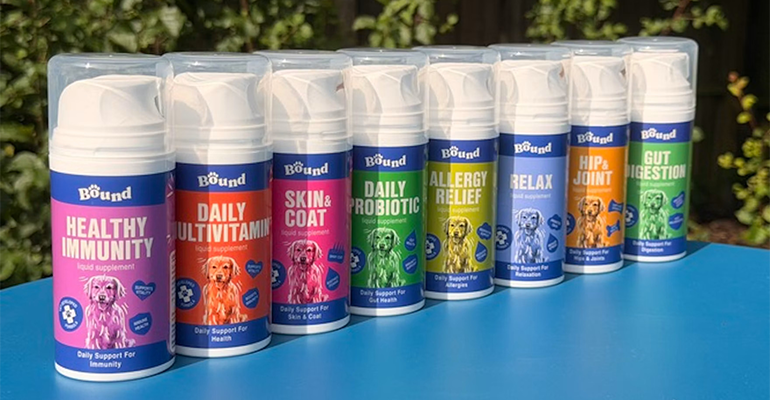
Pump-based liquid pet supplement focuses on health and convenience
8 Sep 2026
Prefera Pet Food uses a plastic pump-based packaging to make administering its liquid supplements for cats and dogs easier, healthier, and more accurate.
Read more
Health and wellness engagement matures across Middle East and Africa
4 Sep 2026
Many consumers in the Middle East and Africa are now proactively engaged in health and wellness, looking to integrate better habits and products into their daily lives, say experts.
Read more
Kellogg accelerates work to remove artificial colours from all US cereals
3 Sep 2026
WK Kellogg has announced an accelerated timeline to eliminate all artificial colours and the chemical preservative, BHT, across its full US portfolio of cereals and cereal packaging.
Read more
Royal Canin launches ‘freshly-cooked’ therapeutic dog food
1 Sep 2026
Mars-owned Royal Canin has moved into the therapeutic diet sector with the launch of its Fresh Veterinary Diets range for dogs with health conditions. We asked a veterinary nutritionist for her opinion.
Read more
‘Urgent gaps’ in achieving 2030 food system goals
27 Aug 2026
Global food systems are failing to meet 2030 targets across indicators including health, environment, and resilience, according to a report co-authored by the Food and Agriculture Organisation (FAO).
Read more
Seven-Eleven uses microbial testing tech to extend katsudon shelf life
26 Aug 2026
Japanese retail company Seven-Eleven has improved its factory’s microbial environment to keep comfort-food staple, katsudon, fresher for longer.
Read more
Chimac’s fusion sauces bring Korean flavours to Europe
25 Aug 2026
Irish sauce brand Chimac is tapping into Korea’s culinary traditions, bringing its flavours and products to European consumers who want a taste of K-food.
Read more
China beverages: Is herbal innovation the future?
20 Aug 2026
Herbal and botanical innovation in China's drinks market continues to grow, with ingredients like astragalus root, ginger, and ginseng in the spotlight – and focus shifting far beyond refreshment.
Read more