
Ingredients Categories
Finished Products
Finished Food Categories
- Bakery
- Beverages / Juices
- Cereal and grain products
- Confectionery
- Cooking Fats & Oils
- Dairy
- Egg products
- Fruits & Vegetables
- Infant & Baby food
- Meat, Poultry & Fish
- Nuts & Seeds products
- Other Finished Food Categories
- Pet Food
- Plant-based foods
- Prepared foods
- Sauces & Seasonings
- Sweet & Savoury Spreads
Specialised Finished Products
- Bee products
- Biotic products
- Dietary supplements
- Energy drinks
- Functional beverages
- Functional confectionery
- Functional food
- Functional powders
- Meal replacement products
- Nutricosmetics
- Other Specialised Finished Products
- Pet Dietary Supplements
- Pharma and OTC products
- Protein products
- Sugar replacers / Sweeteners
Health & Wellness Areas
Delivery Formats
Operations & Services
- 3D printing
- Analysis/ Testing
- Auditing & certifications
- Blending & mixing
- Bottling
- Certification
- Clinical trials
- Co-packing
- Coating
- Consulting
- Contract manufacturing
- Drying
- Electrospinning
- Encapsulating
- Enzymatic processing
- Extracting
- Extrusion
- Fat structuring
- Fermentation
- Filling
- Flavour development
- Freeze drying
- Granulating/ grinding/ milling / mixing
- High-pressure processing
- Labelling
- Other Operations & Services
- Packaging
- Packet filling
- Pasturising
- Quality assurance
- Saccharification
- Shear cell processing
- Spray drying
- Sterilisation
- Storage & Logistics
- Tabletting
- Toasting / roasting
- Ultra-high temperature processing
News
NutriScore recognition has 'surged' across France
Kacey Culliney, Freelance Journalist 13 May 2026The number of consumers engaging with Europe's front-of-pack nutrient profiling system, NutriScore, is on the rise across France – the first country to scale voluntary use, finds NielsenIQ research.
Consumer intelligence firm NielsenIQ has shared findings from French research showing that NutriScore is now the second most-recognised food label on the market, with 63% of French consumers saying they pay attention to NutriScore when purchasing food. This is just behind 64% looking for Label Rouge on products, a voluntary scheme indicative of quality assurance, which has been in place for more than 60 years. NutriScore, by comparison, was introduced onto the French market just nine years ago, in 2017.
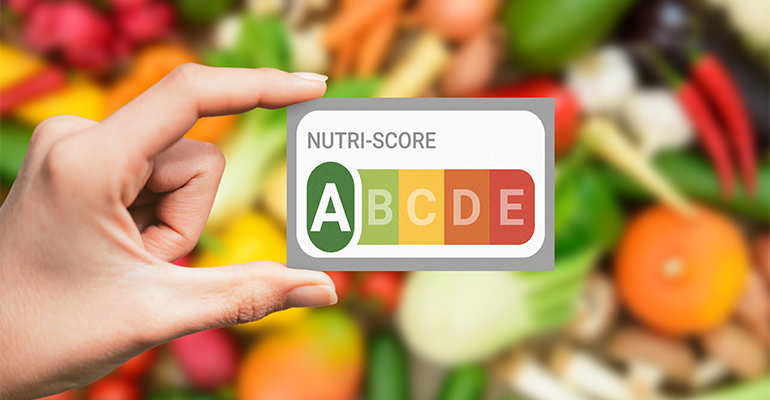
Professor Serge Hercberg, part of the team behind NutriScore and Professor Emeritus at the University of Sorbonne in Paris, France, said the findings are encouraging. “It is a very high level of awareness for a label,” Hercberg told Ingredients Network.
What is “most striking” about the findings, he said, is the evolution of NutriScore awareness in recent years. “Its recognition has surged, increasing by 49 percentage points in six years: from 14% in 2019 to 63% in 2025. By comparison, over the same period, Label Rouge increased by only 14 points, the AB organic label by 12 points, and growth was much lower for all other labels,” he said.
NutriScore’s awareness and influence
NielsenIQ's findings align with wider research into the front-of-pack label's traction. A 2024 Kantar Worldpanel study found a 97% recognition rate for the NutriScore label amongst French consumers, with 56% claiming it influenced purchasing decisions. Hercberg said this suggests the label has become a “reference criterion for a majority of consumers”.
Similarly, he said a separate survey conducted by specialist firm OpinionWay in the same year showed that French consumers looking to eat better consulted the NutriScore as a first point of action.
Beyond this, various studies conducted by the French Ministry of Health over the years have shown the NutriScore label to be popular amongst consumers, with a large majority supporting use of the nutrient profiling system, the professor said. NielsenIQ's research also indicates that 71% of French consumers in favour of a widerspread rollout of the label.
According to Hercberg, widespread uptake is exactly what is needed for NutriScore to achieve “optimal effect”. The NielsenIQ results, he said, confirm the “societal demand to make NutriScore mandatory”.
This month, Sandrine Runel, the Socialist MP for the Rhône department, also presented a bill to the National Assembly calling for the NutriScore label to become mandatory across all food products. The cross-party text is supported by eight of the eleven political groups in the Assembly.
Food company uptake
As consumer recognition and political discussions continue to advance, food company engagement with the NutriScore label also continues to evolve, Hercberg said.
“When NutriScore was proposed by scientists in 2014, no food company supported it or agreed to display it. And only six companies accepted it at its official launch in 2017. Today, in 2026, over 1,500 brands have adopted it.”
However, there are still a lot of major food groups that continue to reject and fight against the label, he said, including Ferrero, Coca-Cola, Mars, Lactalis, Mondelez International and Kraft. A few companies have also pulled away from the label, despite using it when it first launched.
“Some companies, like Danone and Bjorg, who previously adopted it in 2017, have recently decided to remove it from their brands to protect their economic interests, which were not satisfied by its update in 2023, made by scientists, that legitimately made it stricter for a number of highly sugary or salty products,” he said.

Get more of our news on Google
Set Ingredients Network as a 'Preferred Source' to get quicker access to the news you value.
Related news

Do the US dietary guidelines put UPFs under pressure?
10 Sep 2026
Will the US dietary guidelines change the way Americans eat, swapping ultra-processed foods for whole foods? We asked Dr Barry Popkin, renowned nutrition and obesity researcher.
Read more
Food fraud costs UK economy £2bn each year
9 Sep 2026
Food fraud is costing the UK economy up to £2 billion (€2.3 billion) every year although the food sector is more “resilient” than others, according to a recent study.
Read more
Kellogg accelerates work to remove artificial colours from all US cereals
3 Sep 2026
WK Kellogg has announced an accelerated timeline to eliminate all artificial colours and the chemical preservative, BHT, across its full US portfolio of cereals and cereal packaging.
Read more
Skimpflation: An ‘unfair’ and risky approach to keeping prices low
2 Sep 2026
Consumers see skimpflation – reducing the quality of ingredients due to rising costs – as more unfair than shrinkflation, making it a risky strategy according to recent research.
Read more
NielsenIQ’s EU barometer shows Britain leading in grocery inflation
31 Aug 2026
Britain was the only country to record grocery inflation above 2%, according to NielsenIQ data that compared Europe’s five biggest grocery markets from February to May 2026.
Read more
‘Urgent gaps’ in achieving 2030 food system goals
27 Aug 2026
Global food systems are failing to meet 2030 targets across indicators including health, environment, and resilience, according to a report co-authored by the Food and Agriculture Organisation (FAO).
Read more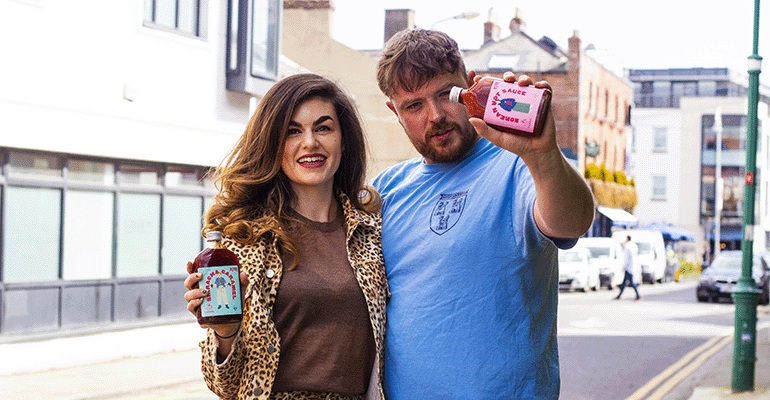
Chimac’s fusion sauces bring Korean flavours to Europe
25 Aug 2026
Irish sauce brand Chimac is tapping into Korea’s culinary traditions, bringing its flavours and products to European consumers who want a taste of K-food.
Read more
Global demand for instant noodles continues to rise
24 Aug 2026
Global demand for instant noodles reached 124.21 billion servings last year, representing a 0.7% year-on-year increase – or 900 million extra servings.
Read more
Popular barbecue staples experience sharp price increases
19 Aug 2026
The typical cost of US shoppers’ barbecue baskets has risen by 12% over the past year – the fastest annual rise in a decade, figures from The Economist show.
Read more
Hot NPD: Nissin launches first cold-water Cup Noodles
18 Aug 2026
Nissin is taking one of Japan’s most iconic instant meals in a completely new direction with the launch of the first cold water-only Cup Noodles in the brand’s 55-year history.
Read more