
Ingredients Categories
Finished Products
Finished Food Categories
- Bakery
- Beverages / Juices
- Cereal and grain products
- Confectionery
- Cooking Fats & Oils
- Dairy
- Egg products
- Fruits & Vegetables
- Infant & Baby food
- Meat, Poultry & Fish
- Nuts & Seeds products
- Other Finished Food Categories
- Pet Food
- Plant-based foods
- Prepared foods
- Sauces & Seasonings
- Sweet & Savoury Spreads
Specialised Finished Products
- Bee products
- Biotic products
- Dietary supplements
- Energy drinks
- Functional beverages
- Functional confectionery
- Functional food
- Functional powders
- Meal replacement products
- Nutricosmetics
- Other Specialised Finished Products
- Pet Dietary Supplements
- Pharma and OTC products
- Protein products
- Sugar replacers / Sweeteners
Health & Wellness Areas
Delivery Formats
Operations & Services
- 3D printing
- Analysis/ Testing
- Auditing & certifications
- Blending & mixing
- Bottling
- Certification
- Clinical trials
- Co-packing
- Coating
- Consulting
- Contract manufacturing
- Drying
- Electrospinning
- Encapsulating
- Enzymatic processing
- Extracting
- Extrusion
- Fat structuring
- Fermentation
- Filling
- Flavour development
- Freeze drying
- Granulating/ grinding/ milling / mixing
- High-pressure processing
- Labelling
- Other Operations & Services
- Packaging
- Packet filling
- Pasturising
- Quality assurance
- Saccharification
- Shear cell processing
- Spray drying
- Sterilisation
- Storage & Logistics
- Tabletting
- Toasting / roasting
- Ultra-high temperature processing
News
Mars looks to pet food as ‘inspiration’ for regenerative push
David Burrows, Freelance Journalist 26 May 2025Mars is leveraging pet owners' passion for nutrition to raise awareness of how regenerative approaches to farming can help restore soil health.
People love their pets. So much so that more than half (52%) say they research the ingredients in the pet food they buy, according to a survey commissioned by pet food company James Wellbeloved.
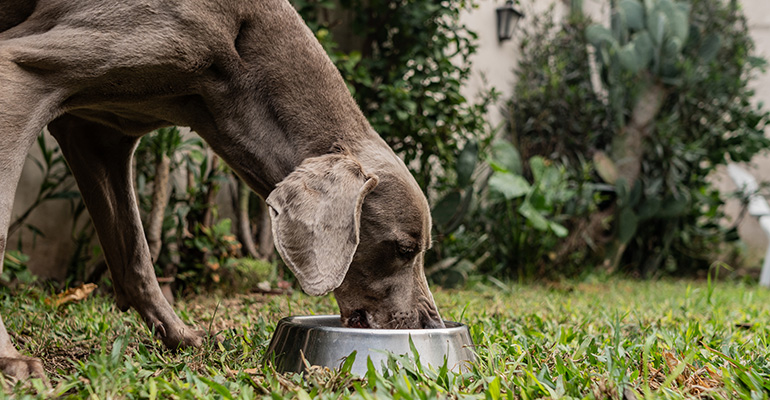
Soil has become a focus for food manufacturers in recent months as a global crisis continues to impact the production of crops and put food and feed security at risk. Soil also stores carbon (crucial to limiting global heating) and is home to nearly 60% of all species.
But every year, the world loses billions of tonnes of topsoil to overgrazing, deforestation, pollution, and other threats.
“[T]he health of our soil underpins the quality of our food – whether it’s feeding people or our pets,” explained Joseph Gridley, chief executive officer at Soil Association Exchange, a platform designed to support and transform sustainable farming in the UK.
The organisation is involved in a Mars-led initiative in the UK to support farmers in adopting regenerative practices and verifying the impact of these changes on soil health, biodiversity, and resilience.
Connection between farming and food for pets
The Beloved Soil initiative, which also involves agronomy tech company Agrii, involves three farmers producing oats and barley for Mars Pet Nutrition Europe.
They will have access to training and advice on how to adopt regenerative practices, such as crop diversification and restoring hedgerows, which can contribute to improved soil health and provide shelter for wildlife.
“We know pet parents care deeply about their pets' wellbeing, and we want to use this passion to help inspire more awareness and consideration for the essential role of soil,” said Melodie Nye, chief growth officer at Mars Pet Nutrition Europe.
The research, among 2,082 dog owners in the UK, showed that when shopping for pet food, nutritional value is a top priority for 39%, while 91% said ingredients influence the purchases they make.
However, 51% said they have limited or no understanding of the connection between farming practices and the food their dog eats. And 26% do not view soil as important to the quality of their pet’s food.
Mars wants to use the “deep interest from dog owners in their pet’s nutrition” to plug these gaps in knowledge and raise awareness around soil health.
Mars is one of several major global food, drink, and pet food companies to have jumped on the “regenerative” bandwagon in recent years. The owner of pet food brands including Pedigree, Whiskas, and Royal Canin has promised to deliver more than one million acres of regenerative agriculture practices by 2030 – a target that forms part of the company’s 2050 net-zero commitments.
Risks and rewards of regenerative food
The move to regenerative approaches to crop and livestock production does not come without its risks, however.
Yields can initially fall, for example, and there are concerns among farmers about the funding of this huge global transition.
The marketing of “regenerative” products is also problematic, given that there is no agreed-upon definition of the term or official certification bodies, like there are for organic.
In December, Mars announced multiyear collaborations with suppliers including Cargill and ADM, which it said will help transition 20,900 hectares (almost twice the size of Paris) of wheat and maize crops to regenerative agriculture practices by 2028.
Farmers in Poland, Hungary, and the UK will receive financial incentives and expert advisory services to support the adoption of regenerative agriculture practices, including crop rotation, minimal tillage, and cover crops.
The implementation of regenerative practices aims to deliver benefits such as increased yields, lower greenhouse gas (GHG) emissions through reduction and carbon sequestration, improved water quality, enhanced soil health, and improved biodiversity.
“Healthy soil is the backbone of a resilient food system,” said Deri Watkins, regional president at Mars Pet Nutrition Europe.

Get more of our news on Google
Set Ingredients Network as a 'Preferred Source' to get quicker access to the news you value.
Related news

M&S launches own-brand pet food range
11 Sep 2026
UK retailer Marks & Spencer has launched its own-brand pet food line Paws & Pals – a well-timed and strategic move that will appeal to loyal shoppers, says a marketing expert.
Read more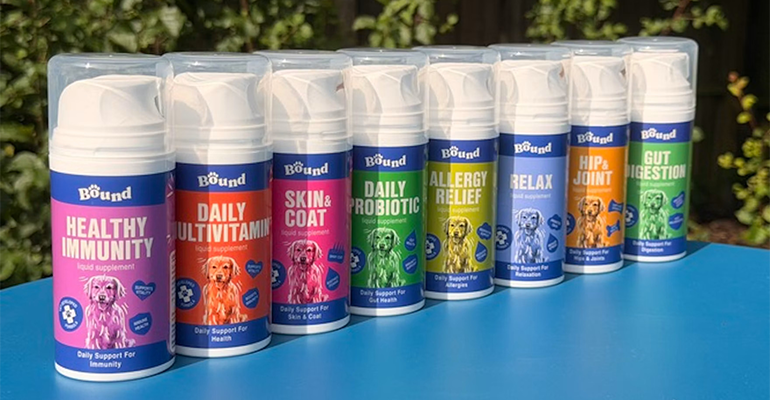
Pump-based liquid pet supplement focuses on health and convenience
8 Sep 2026
Prefera Pet Food uses a plastic pump-based packaging to make administering its liquid supplements for cats and dogs easier, healthier, and more accurate.
Read more
Royal Canin launches ‘freshly-cooked’ therapeutic dog food
1 Sep 2026
Mars-owned Royal Canin has moved into the therapeutic diet sector with the launch of its Fresh Veterinary Diets range for dogs with health conditions. We asked a veterinary nutritionist for her opinion.
Read more
Pet food brands chase the GLP-1 trend with fibre and flavonoids
29 Jul 2026
Omni and PetNutra are developing dog supplements around the GLP-1 pathway, using ingredients like fibre, resistant starch, and a citrus flavonoid.
Read more
UK publishes guidance on SPS food trade agreement with EU
27 Jul 2026
The UK government has shared guidance on how food businesses can prepare for its upcoming Sanitary and Phytosanitary (SPS) agreement with the EU.
Read more
Premium pet food: Fussy felines help drive Nestlé’s pet food plans
8 Jul 2026
The production of pet food is slowing as people adopt smaller dogs and more cats, prompting brands – such as Nestlé – to focus on premium and specialised products.
Read more
US Supreme Court sides with Bayer on glyphosate pesticides
7 Jul 2026
The US Supreme Court has ruled that Bayer cannot be held liable for failure to warn of health risks related to its glyphosate-based products – a ruling met with mixed response amongst industry and NGOs.
Read more
Two in three pet owners interested in personalised diets, survey shows
15 Jun 2026
Almost two-thirds of pet owners are interested in personalised diets for their pets, with the potential for better health and wellbeing key drivers, a survey shows.
Read more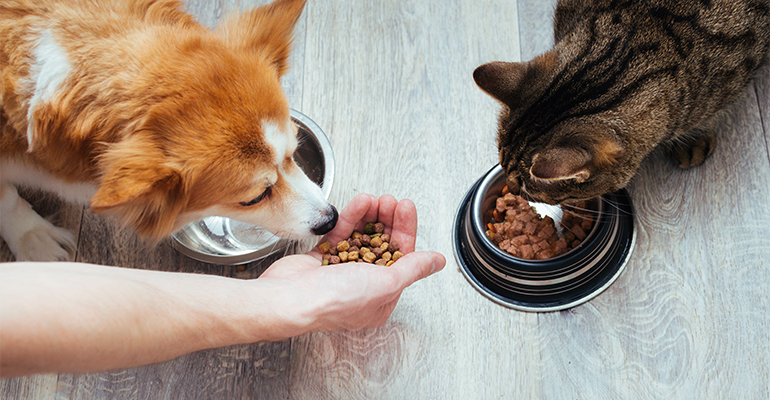
Pet food industry embraces upcycled ingredients
9 Jun 2026
The use of upcycled ingredients in pet food is growing in popularity, with two industry bodies introducing a new certification for products that use such ingredients.
Read more
‘World's first’ complete dog food with cultivated meat hits EU market
4 Jun 2026
Italian brand Forza10 has launched a complete wet dog food that the company claims is the first commercially launched pet food containing cultivated meat.
Read more