
Ingredients Categories
Finished Products
Finished Food Categories
- Bakery
- Beverages / Juices
- Cereal and grain products
- Confectionery
- Cooking Fats & Oils
- Dairy
- Egg products
- Fruits & Vegetables
- Infant & Baby food
- Meat, Poultry & Fish
- Nuts & Seeds products
- Other Finished Food Categories
- Pet Food
- Plant-based foods
- Prepared foods
- Sauces & Seasonings
- Sweet & Savoury Spreads
Specialised Finished Products
- Bee products
- Biotic products
- Dietary supplements
- Energy drinks
- Functional beverages
- Functional confectionery
- Functional food
- Functional powders
- Meal replacement products
- Nutricosmetics
- Other Specialised Finished Products
- Pet Dietary Supplements
- Pharma and OTC products
- Protein products
- Sugar replacers / Sweeteners
Health & Wellness Areas
Delivery Formats
Operations & Services
- 3D printing
- Analysis/ Testing
- Auditing & certifications
- Blending & mixing
- Bottling
- Certification
- Clinical trials
- Co-packing
- Coating
- Consulting
- Contract manufacturing
- Drying
- Electrospinning
- Encapsulating
- Enzymatic processing
- Extracting
- Extrusion
- Fat structuring
- Fermentation
- Filling
- Flavour development
- Freeze drying
- Granulating/ grinding/ milling / mixing
- High-pressure processing
- Labelling
- Other Operations & Services
- Packaging
- Packet filling
- Pasturising
- Quality assurance
- Saccharification
- Shear cell processing
- Spray drying
- Sterilisation
- Storage & Logistics
- Tabletting
- Toasting / roasting
- Ultra-high temperature processing
News
Pet food purchasers tap into plant-based potential
Natasha Spencer-Jolliffe, Freelance Journalist 14 Oct 2025Vegan diets provide dogs with similar levels of nutritional benefits to meat-based consumption, highlighting opportunities for diverse pet food development, research suggests.
As environmental consciousness grows, a greater understanding of the dietary pros of vegan pet food could help brands tap into plant-based consumer appeal and replicate this in their product offerings.
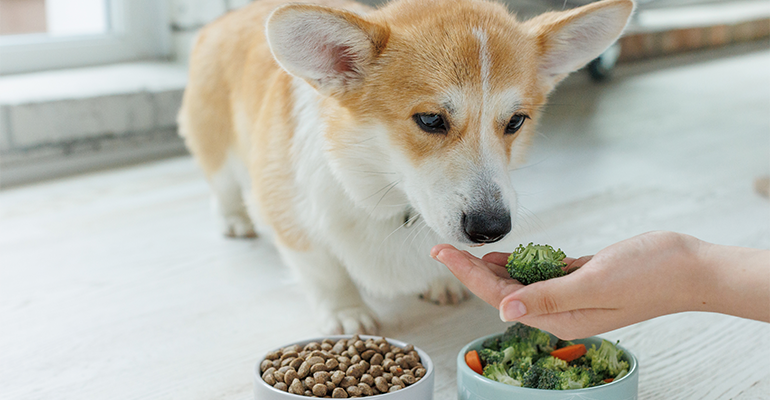
“Adopting a plant-based dietary pattern for your companion canine can provide nutritional adequacy with respect to the majority of macro- and micronutrients, with the exception of iodine and B vitamins, which could easily be supplemented,” the researchers, from the UK’s University of Nottingham, wrote in the journal PLOS One.
Growing calls for vegan pet food
Demand for high-quality pet food products is increasing, as pet owners seek diverse options that benefit their animal companions’ health and the environment. By 2033, the vegan dog food market in Europe alone is expected to grow by 7%, reaching a value of $26 billion (€22.1 billion).
In pet food ingredients research carried out earlier this year, Innova Market Insights found that plant-based launches in the pet food market are rising. Soy protein is proving especially popular in meat-free product development, with more than half of consumers looking for the crop in finished products.
The vegan pet protein sector is also seeing a fast-growing movement towards marine-based ingredients, such as schizochytrium and microalgae.
Big-name brands are contributing to this growth, emerging in the cultivated meat space. In February, cultivated meat company Meatly teamed up with plant-based dog food brand THE PACK and retail store Pets at Home to launch its limited-edition “chick-bites”.
UK manufacturer Pets Choice acquired vegan dog food brand HOWND in 2024 to develop its presence in the premium sector.
Meeting nutritional guidance targets
The researchers compared the nutritional properties of vegan and meat-based diets for dogs.
Food compliance varied between 55%, 100%, 16%, 100%, and 24% when compared to nutritional guidelines for amino acids, fatty acids, major and trace minerals, vitamin D and B vitamins, respectively.
Earlier research has made similar findings. In 2023, researchers investigating the impact of vegan diets on health indicators found evidence supporting the benefits of a plant-based diet for pets, particularly in terms of their owners’ perceptions. However, due to a lack of extensive population-based studies, the researchers recommended a cautious approach.
A 2024 study identified a “clear and consistent trend,” finding that dogs fed vegan pet food had the best outcomes, and this diet was also linked with lower risks of certain health disorders.
Vegan is not the culprit
“No foods met all guidelines,” lead author Rebecca Brociek, a researcher at the University of Nottingham’s School of Veterinary Medicine and Science, told Ingredients Network.
However, vegan foodstuffs displayed some additional challenges.
“Plant-based foods were often low in iodine and many of the B vitamins, which could be corrected by incorporation of mineral-rich ingredients and/or supplementation,” she said.
Veterinary diets with lower protein content, designed for dogs with kidney disease, often have levels of essential amino acids below the recommended range.
The researchers suggested supplementation with keto-analogues of essential amino acids could solve this challenge. Many of the other meat-based foods were compliant but marginal in terms of nutrient composition and may also benefit from supplementation.
Vegan pet food potential
“Our study suggests that the vegan pet food sector is not just niche moral or lifestyle branding – there is credible scientific evidence that supports it,” Brociek said.
The growing body of evidence over the past five years also points towards the developing sector.
“That legitimacy can help drive larger market growth, pushing manufacturers to invest more, further improve formulations, and scale up production,” she added.
However, the study’s researchers noted that few long-term studies have been conducted on dogs consuming these foods, and the authors cannot comment on digestibility or bioavailability based solely on their results.
Producers formulating in this space need to consider various considerations to maximise their consumer appeal.
“Brands formulating vegan pet food need to continue to prioritise nutritional adequacy to maintain consumer trust,” said Brociek.
Voluntary testing in the post-manufacturing environment could offer a useful mechanism. However, this would need to apply to all manufacturers.
“I’m not an economist, but as evidence grows in their favour, maintaining competitive pricing to current foods can only serve to increase their customer base,” she added.

Get more of our news on Google
Set Ingredients Network as a 'Preferred Source' to get quicker access to the news you value.
Related news

M&S launches own-brand pet food range
11 Sep 2026
UK retailer Marks & Spencer has launched its own-brand pet food line Paws & Pals – a well-timed and strategic move that will appeal to loyal shoppers, says a marketing expert.
Read more
Do the US dietary guidelines put UPFs under pressure?
10 Sep 2026
Will the US dietary guidelines change the way Americans eat, swapping ultra-processed foods for whole foods? We asked Dr Barry Popkin, renowned nutrition and obesity researcher.
Read more
Food fraud costs UK economy £2bn each year
9 Sep 2026
Food fraud is costing the UK economy up to £2 billion (€2.3 billion) every year although the food sector is more “resilient” than others, according to a recent study.
Read more
Health and wellness engagement matures across Middle East and Africa
4 Sep 2026
Many consumers in the Middle East and Africa are now proactively engaged in health and wellness, looking to integrate better habits and products into their daily lives, say experts.
Read more
Kellogg accelerates work to remove artificial colours from all US cereals
3 Sep 2026
WK Kellogg has announced an accelerated timeline to eliminate all artificial colours and the chemical preservative, BHT, across its full US portfolio of cereals and cereal packaging.
Read more
Skimpflation: An ‘unfair’ and risky approach to keeping prices low
2 Sep 2026
Consumers see skimpflation – reducing the quality of ingredients due to rising costs – as more unfair than shrinkflation, making it a risky strategy according to recent research.
Read more
Royal Canin launches ‘freshly-cooked’ therapeutic dog food
1 Sep 2026
Mars-owned Royal Canin has moved into the therapeutic diet sector with the launch of its Fresh Veterinary Diets range for dogs with health conditions. We asked a veterinary nutritionist for her opinion.
Read more
NielsenIQ’s EU barometer shows Britain leading in grocery inflation
31 Aug 2026
Britain was the only country to record grocery inflation above 2%, according to NielsenIQ data that compared Europe’s five biggest grocery markets from February to May 2026.
Read more
‘Urgent gaps’ in achieving 2030 food system goals
27 Aug 2026
Global food systems are failing to meet 2030 targets across indicators including health, environment, and resilience, according to a report co-authored by the Food and Agriculture Organisation (FAO).
Read more
Seven-Eleven uses microbial testing tech to extend katsudon shelf life
26 Aug 2026
Japanese retail company Seven-Eleven has improved its factory’s microbial environment to keep comfort-food staple, katsudon, fresher for longer.
Read more