
Ingredients Categories
Finished Products
Finished Food Categories
- Bakery
- Beverages / Juices
- Cereal and grain products
- Confectionery
- Cooking Fats & Oils
- Dairy
- Egg products
- Fruits & Vegetables
- Infant & Baby food
- Meat, Poultry & Fish
- Nuts & Seeds products
- Other Finished Food Categories
- Pet Food
- Plant-based foods
- Prepared foods
- Sauces & Seasonings
- Sweet & Savoury Spreads
Specialised Finished Products
- Bee products
- Biotic products
- Dietary supplements
- Energy drinks
- Functional beverages
- Functional confectionery
- Functional food
- Functional powders
- Meal replacement products
- Nutricosmetics
- Other Specialised Finished Products
- Pet Dietary Supplements
- Pharma and OTC products
- Protein products
- Sugar replacers / Sweeteners
Health & Wellness Areas
Delivery Formats
Operations & Services
- 3D printing
- Analysis/ Testing
- Auditing & certifications
- Blending & mixing
- Bottling
- Certification
- Clinical trials
- Co-packing
- Coating
- Consulting
- Contract manufacturing
- Drying
- Electrospinning
- Encapsulating
- Enzymatic processing
- Extracting
- Extrusion
- Fat structuring
- Fermentation
- Filling
- Flavour development
- Freeze drying
- Granulating/ grinding/ milling / mixing
- High-pressure processing
- Labelling
- Other Operations & Services
- Packaging
- Packet filling
- Pasturising
- Quality assurance
- Saccharification
- Shear cell processing
- Spray drying
- Sterilisation
- Storage & Logistics
- Tabletting
- Toasting / roasting
- Ultra-high temperature processing
News
McCain promotes regenerative agriculture as key to sustainable food production
20 Mar 2023
The world’s largest manufacturer of frozen potato products, McCain, has released its sustainability report from last year. It highlights progress towards global sustainability goals including accelerating the adoption of regenerative agricultural practices, mitigating climate impact with a 50% reduction in GHG emissions by 2030 and expanding healthier food offerings.
The frozen foods giant’s latest sustainability report describes emerging from Covid-19 to managing “the fragility of global food systems” in the face of last year’s climate crises and supply chain disruptions caused by the Ukraine war.
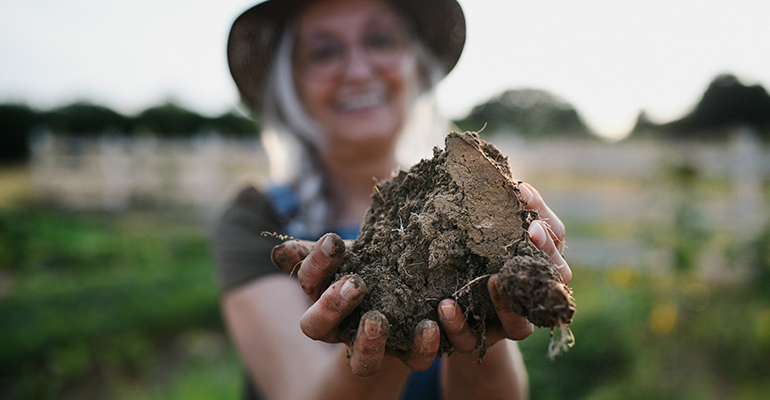
From addressing its role in making food systems more sustainable and resilient to tackling present and future challenges, the company points to improving soil health, increasing water quality, and protecting biodiversity to build farmer resilience to climactic and economic shocks.
Creating a sustainable future for food
“At McCain, sustainability goes to the heart of our purpose as a business. That purpose is to celebrate real connections through delicious, planet-friendly food, which means putting agronomy at the forefront of all we do to ensure healthier soils which lead to more sustainably sourced food,” said Max Koeune, president and CEO of McCain Foods.
“It means reducing our climate impact and supporting the communities where we operate. By delivering on our purpose and commitments, we aim to grow our business while helping to strengthen food and agricultural systems for a more sustainable future.”
As part of McCain’s commitment to sustainability, the report was conducted in accordance with Global Reporting Initiative (GRI) standards, an independent organisation that helps businesses take responsibility for their environmental impact and aligns with the United Nations Sustainable Development Goals (SDGs).
Within the report, McCain’s sustainability goals are divided into four “strategic pillars and focus areas” including smart and sustainable farming, resource efficient operations, good food, and thriving communities. However, a primary concern, according to the company, is accelerating the adoption of regenerative agricultural practices and committing to implementing regenerative agriculture practices across 100% of its potato acreage by 2030.
 © AdobeStock/Ralf
“At McCain, taking action means being smart and sustainable in the way we grow our raw agricultural ingredients and produce our products. It’s a process that starts with the soil and our commitment to regenerative agriculture. Healthy soils capture and store carbon, prevent floods, filter water, protect against drought and nourish the crops that feed us. The shift to regenerative farming is the key to our future, and our growers are at the heart of this transition,” said the authors of the report.
Milestones achieved in 2022
In June 2022, it launched Farm of the Future Africa in Lichtenburg, South Africa, in line with McCain’s target of developing three commercially operated farms across three regions by 2025. The farm will showcase and trial new regenerative agriculture practices with learnings particularly in soil management, ecosystem biodiversity, water use, and input efficiency to be scaled globally.
The food manufacturer said it has reduced its environmental footprint with renewable electricity use increased by 18.5% and achieved a 17% improvement in water-use efficiency across seven priority sites, achieving this target three years ahead of schedule.
It has also removed sodium reduction and artificial ingredients in a number of key products, following the goal to reduce sodium by 15% in potatoes and appetizers by 2025.
Plant-based product innovations through partnerships with brands and organisations such as Strong Roots, The Simple Root, and GoodLeaf are fulfilling consumer demand for healthier food products, it said.

Get more of our news on Google
Set Ingredients Network as a 'Preferred Source' to get quicker access to the news you value.
Related news

Kellogg accelerates work to remove artificial colours from all US cereals
3 Sep 2026
WK Kellogg has announced an accelerated timeline to eliminate all artificial colours and the chemical preservative, BHT, across its full US portfolio of cereals and cereal packaging.
Read more
Skimpflation: An ‘unfair’ and risky approach to keeping prices low
2 Sep 2026
Consumers see skimpflation – reducing the quality of ingredients due to rising costs – as more unfair than shrinkflation, making it a risky strategy according to recent research.
Read more
‘Urgent gaps’ in achieving 2030 food system goals
27 Aug 2026
Global food systems are failing to meet 2030 targets across indicators including health, environment, and resilience, according to a report co-authored by the Food and Agriculture Organisation (FAO).
Read more
Seven-Eleven uses microbial testing tech to extend katsudon shelf life
26 Aug 2026
Japanese retail company Seven-Eleven has improved its factory’s microbial environment to keep comfort-food staple, katsudon, fresher for longer.
Read more
Global demand for instant noodles continues to rise
24 Aug 2026
Global demand for instant noodles reached 124.21 billion servings last year, representing a 0.7% year-on-year increase – or 900 million extra servings.
Read more
Popular barbecue staples experience sharp price increases
19 Aug 2026
The typical cost of US shoppers’ barbecue baskets has risen by 12% over the past year – the fastest annual rise in a decade, figures from The Economist show.
Read more
Hot NPD: Nissin launches first cold-water Cup Noodles
18 Aug 2026
Nissin is taking one of Japan’s most iconic instant meals in a completely new direction with the launch of the first cold water-only Cup Noodles in the brand’s 55-year history.
Read more
Savoury protein snacks shake up the on-the-go market
10 Aug 2026
Sweet flavours have dominated the high-protein snack category but savoury snacks, such as cheese bars and meat sticks, can appeal to health-conscious consumers.
Read more
Nestlé invests in regeneratively farmed wheat for KitKat
5 Aug 2026
Nestlé will pay a premium for Wildfarmed’s regeneratively farmed wheat but the CPG remains reticent to promote the move on packs of its KitKat bars.
Read more
How Secon Taste is putting upcycled snacks on shelves
4 Aug 2026
Hungarian zero-waste startup Secon Taste is turning surplus food into upcycled snacks such as fibre-packed granola, instant porridge, and a circular coffee-tasting box.
Read more