
Ingredients Categories
Finished Products
Finished Food Categories
- Bakery
- Beverages / Juices
- Cereal and grain products
- Confectionery
- Cooking Fats & Oils
- Dairy
- Egg products
- Fruits & Vegetables
- Infant & Baby food
- Meat, Poultry & Fish
- Nuts & Seeds products
- Other Finished Food Categories
- Pet Food
- Plant-based foods
- Prepared foods
- Sauces & Seasonings
- Sweet & Savoury Spreads
Specialised Finished Products
- Bee products
- Biotic products
- Dietary supplements
- Energy drinks
- Functional beverages
- Functional confectionery
- Functional food
- Functional powders
- Meal replacement products
- Nutricosmetics
- Other Specialised Finished Products
- Pet Dietary Supplements
- Pharma and OTC products
- Protein products
- Sugar replacers / Sweeteners
Health & Wellness Areas
Delivery Formats
Operations & Services
- 3D printing
- Analysis/ Testing
- Auditing & certifications
- Blending & mixing
- Bottling
- Certification
- Clinical trials
- Co-packing
- Coating
- Consulting
- Contract manufacturing
- Drying
- Electrospinning
- Encapsulating
- Enzymatic processing
- Extracting
- Extrusion
- Fat structuring
- Fermentation
- Filling
- Flavour development
- Freeze drying
- Granulating/ grinding/ milling / mixing
- High-pressure processing
- Labelling
- Other Operations & Services
- Packaging
- Packet filling
- Pasturising
- Quality assurance
- Saccharification
- Shear cell processing
- Spray drying
- Sterilisation
- Storage & Logistics
- Tabletting
- Toasting / roasting
- Ultra-high temperature processing
News
Nestlé backs vegan chicken brand Sundial Foods
Katja Knox, Editorial Account Manager 1 Dec 2021The world’s largest food conglomerate Nestlé is backing a California-based startup that makes plant-based chicken wings with meat, skin and bone. The Swiss food giant participated in a $4 million funding round for Sundial Foods that included other investors such as Food Labs, Clear Current Capital, SOSV / IndieBio.
Nestlé's newest investment builds on the company’s expanding interest in alternative protein. For several years, the company has been diversifying through various investments and product rollouts, including alternative meat, dairy and seafood as well as cultivated meat. Sundial is the newest addition to the fold, but it is not the first time Nestlé has worked with the company.
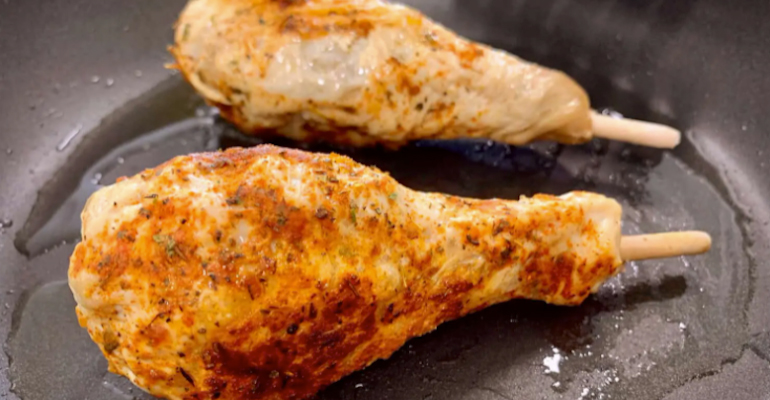
Last year, Sundial participated in Nestlé’s R&D Accelerator program where they focused on transforming the idea for a plant-based chicken wing with skin and bones into pilot production. Following its initial participation in the accelerator, Sundial then collaborated with Nestlé on its Garden Gourmet line that ran a successful test in 40 retail outlets in Switzerland.
Until now, Sundial has not had its own product commercially available. However, Sundial’s said this new funding will allow it to expand its team and begin commercial production to launch in foodservice. According to a press release, the company expects to be available in foodservice by spring 2022.
Co-founder Jessica Schwabach said in a statement that the company’s goal is to “replace the butcher” by creating products that have all the identifiable components of meat. "We want to give consumers—whether vegetarian, vegan, flexitarian, or meat-eating—a plant-based meat-eating experience that's interesting, craveable, and versatile," she said.
The startup intends to achieve this objective by creating chicken using eight clean ingredients, including water, chickpeas and sunflower oil. Due to its plant-based formulation, the company said its wings contain more fiber and less saturated fat than chicken but approximately the same amount of protein.

Get more of our news on Google
Set Ingredients Network as a 'Preferred Source' to get quicker access to the news you value.
Related news

Do the US dietary guidelines put UPFs under pressure?
10 Sep 2026
Will the US dietary guidelines change the way Americans eat, swapping ultra-processed foods for whole foods? We asked Dr Barry Popkin, renowned nutrition and obesity researcher.
Read more
Food fraud costs UK economy £2bn each year
9 Sep 2026
Food fraud is costing the UK economy up to £2 billion (€2.3 billion) every year although the food sector is more “resilient” than others, according to a recent study.
Read more
Health and wellness engagement matures across Middle East and Africa
4 Sep 2026
Many consumers in the Middle East and Africa are now proactively engaged in health and wellness, looking to integrate better habits and products into their daily lives, say experts.
Read more
Kellogg accelerates work to remove artificial colours from all US cereals
3 Sep 2026
WK Kellogg has announced an accelerated timeline to eliminate all artificial colours and the chemical preservative, BHT, across its full US portfolio of cereals and cereal packaging.
Read more
Skimpflation: An ‘unfair’ and risky approach to keeping prices low
2 Sep 2026
Consumers see skimpflation – reducing the quality of ingredients due to rising costs – as more unfair than shrinkflation, making it a risky strategy according to recent research.
Read more
‘Urgent gaps’ in achieving 2030 food system goals
27 Aug 2026
Global food systems are failing to meet 2030 targets across indicators including health, environment, and resilience, according to a report co-authored by the Food and Agriculture Organisation (FAO).
Read more
China beverages: Is herbal innovation the future?
20 Aug 2026
Herbal and botanical innovation in China's drinks market continues to grow, with ingredients like astragalus root, ginger, and ginseng in the spotlight – and focus shifting far beyond refreshment.
Read more
Popular barbecue staples experience sharp price increases
19 Aug 2026
The typical cost of US shoppers’ barbecue baskets has risen by 12% over the past year – the fastest annual rise in a decade, figures from The Economist show.
Read more
Women’s hormonal health: Familiar ingredients beat novel actives
13 Aug 2026
Hormonal symptoms affect women across life stages, and FMCG Gurus says the ingredients best placed to support them are those with which they are already familiar.
Read more
Beyond 'nice to have': A spotlight on US functional beverages
12 Aug 2026
Functional beverage interest in the US is gaining important ground as consumers now expect function rather than see it as "nice to have", and there are clear market gaps for growth, according to Spate.
Read more