
Ingredients Categories
Finished Products
Finished Food Categories
- Bakery
- Beverages / Juices
- Cereal and grain products
- Confectionery
- Cooking Fats & Oils
- Dairy
- Egg products
- Fruits & Vegetables
- Infant & Baby food
- Meat, Poultry & Fish
- Nuts & Seeds products
- Other Finished Food Categories
- Pet Food
- Plant-based foods
- Prepared foods
- Sauces & Seasonings
- Sweet & Savoury Spreads
Specialised Finished Products
- Bee products
- Biotic products
- Dietary supplements
- Energy drinks
- Functional beverages
- Functional confectionery
- Functional food
- Functional powders
- Meal replacement products
- Nutricosmetics
- Other Specialised Finished Products
- Pet Dietary Supplements
- Pharma and OTC products
- Protein products
- Sugar replacers / Sweeteners
Health & Wellness Areas
Delivery Formats
Operations & Services
- 3D printing
- Analysis/ Testing
- Auditing & certifications
- Blending & mixing
- Bottling
- Certification
- Clinical trials
- Co-packing
- Coating
- Consulting
- Contract manufacturing
- Drying
- Electrospinning
- Encapsulating
- Enzymatic processing
- Extracting
- Extrusion
- Fat structuring
- Fermentation
- Filling
- Flavour development
- Freeze drying
- Granulating/ grinding/ milling / mixing
- High-pressure processing
- Labelling
- Other Operations & Services
- Packaging
- Packet filling
- Pasturising
- Quality assurance
- Saccharification
- Shear cell processing
- Spray drying
- Sterilisation
- Storage & Logistics
- Tabletting
- Toasting / roasting
- Ultra-high temperature processing
News
Ingredient quantities mislabelled on popular protein bars, independent tests show
5 Nov 2025Some popular protein bars contain more fat, carbs, and/or sugars than claimed on their labels, independent nutrition testing reveals.
ConsumerLab, an independent product testing company based in the US, compared nutritional bars from brands including Aloha, Barebells, Clif Bar, GoMacro, David, IQ Bar, Kind, Larabar, Kirkland (Costco), Perfect Bar, Pure Protein, Quest, and RxBar to determine if the quantities of listed ingredients matched the make-up of formulations.

All the bars tested contained the listed amount of protein and fibre, while those with gluten-free claims were found to be free from gluten.
However, when it came to fat, carbs, and sugar alcohols, discrepancies were found.
One bar contained an extra 8g of fat than was disclosed on the nutritional label, most of which was saturated. Another bar had an additional 7g of carbs, and a third had three-quarters (75%) more sugar alcohols than listed.
High cost was not an indicator of high quality, the tests found.
Esterified propoxylated glycerol and calorie count confusion
Food expert and nutritionist Marion Nestle weighed in on the testing, writing about the findings in her blog, Food Politics.
One of the David bars contained nearly five times more fat than was listed on its nutritional label. The distributor of the bar “argued that ConsumerLab had used the wrong testing method”.
Nestle explained that the discrepancy stemmed from the “number of calories provided by esterified propoxylated glycerol (EPG)”.
EPG is a synthetic fat substitute that has been modified to prevent or limit digestion when it is consumed. It is widely used in confectionery, baked goods, frozen desserts, and snacks, as it allows manufacturers to reduce fat content and calories, while achieving a mouthfeel and texture similar to that of traditional fats.
Nestle agreed with ConsumerLab's stance on the synthetic fat, namely that “EPG is a way to add fat to a protein bar (making it less dry), while hiding most of this fat and possible calories from the label. But we think this is dishonest to consumers”.
She said that although the US Food and Drug Administration (FDA) considers EPG to be generally recognised as safe, and “while the arguments about its calories continue, my bottom line is simple. EPG is a marker of ultra-processing. I would just as soon avoid it.”
Mounting concerns about the ingredients in protein bars
In her blog, Nestle pointed to a 2024 article by the Environmental Working Group, a US-based non-profit, about health concerns surrounding protein bars.
“[D]on’t be fooled by the flashy packaging and high protein count; some protein bars masquerade as ‘healthy’, despite containing the calories of a candy bar,” it read.
The working group also pointed to the added sugars, artificial sweeteners, and oils that many brands add to their formulations “to keep the bar from falling apart”.
Consumer safety organisations are also sounding the alarm on the safety of protein powders.
A 2025 study by the US non-profit organisation Consumer Reports that tested 23 protein powders and ready-to-drink shakes from popular brands found that over two-thirds of them contained “more lead in a single serving than our experts say is safe to have in a day”.
In January, meanwhile, a study from the Clean Label Project found that 47% of 160 protein powders tested in the US exceeded safety thresholds for heavy metals.
The Clean Label Project also found that the organic protein powders tested contained three times more lead and twice the cadmium than non-organic products, while plant-based powders contained triple the amount of lead than whey-based powders. Chocolate powders were found to contain four times more lead than vanilla-flavoured powders.
The study called for urgency in improving ingredient sourcing, increased transparency, and stricter regulations.

Get more of our news on Google
Set Ingredients Network as a 'Preferred Source' to get quicker access to the news you value.
Related news
Kellogg accelerates work to remove artificial colours from all US cereals
3 Sep 2026
WK Kellogg has announced an accelerated timeline to eliminate all artificial colours and the chemical preservative, BHT, across its full US portfolio of cereals and cereal packaging.
Read more
Skimpflation: An ‘unfair’ and risky approach to keeping prices low
2 Sep 2026
Consumers see skimpflation – reducing the quality of ingredients due to rising costs – as more unfair than shrinkflation, making it a risky strategy according to recent research.
Read more
NielsenIQ’s EU barometer shows Britain leading in grocery inflation
31 Aug 2026
Britain was the only country to record grocery inflation above 2%, according to NielsenIQ data that compared Europe’s five biggest grocery markets from February to May 2026.
Read more
‘Urgent gaps’ in achieving 2030 food system goals
27 Aug 2026
Global food systems are failing to meet 2030 targets across indicators including health, environment, and resilience, according to a report co-authored by the Food and Agriculture Organisation (FAO).
Read more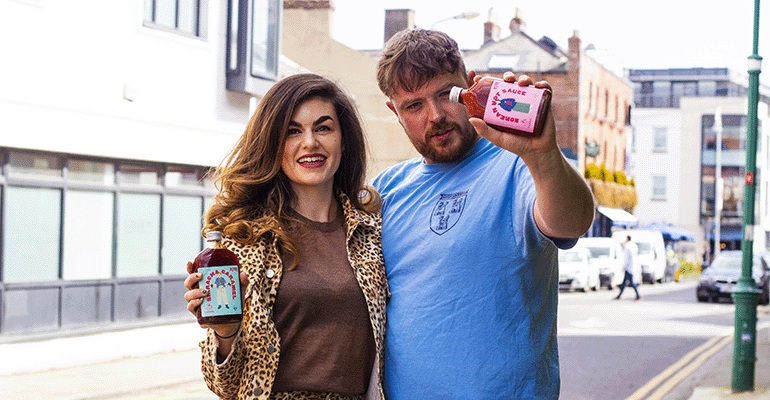
Chimac’s fusion sauces bring Korean flavours to Europe
25 Aug 2026
Irish sauce brand Chimac is tapping into Korea’s culinary traditions, bringing its flavours and products to European consumers who want a taste of K-food.
Read more
Global demand for instant noodles continues to rise
24 Aug 2026
Global demand for instant noodles reached 124.21 billion servings last year, representing a 0.7% year-on-year increase – or 900 million extra servings.
Read more
Popular barbecue staples experience sharp price increases
19 Aug 2026
The typical cost of US shoppers’ barbecue baskets has risen by 12% over the past year – the fastest annual rise in a decade, figures from The Economist show.
Read more
Hot NPD: Nissin launches first cold-water Cup Noodles
18 Aug 2026
Nissin is taking one of Japan’s most iconic instant meals in a completely new direction with the launch of the first cold water-only Cup Noodles in the brand’s 55-year history.
Read more
Savoury protein snacks shake up the on-the-go market
10 Aug 2026
Sweet flavours have dominated the high-protein snack category but savoury snacks, such as cheese bars and meat sticks, can appeal to health-conscious consumers.
Read more
Digital twin technology gains ground in food manufacturing
6 Aug 2026
Food and beverage companies are increasingly turning to digital twins to optimise and automate manufacturing processes, but opportunities stretch far beyond this, say experts.
Read more