
Ingredients Categories
Finished Products
Finished Food Categories
- Bakery
- Beverages / Juices
- Cereal and grain products
- Confectionery
- Cooking Fats & Oils
- Dairy
- Egg products
- Fruits & Vegetables
- Infant & Baby food
- Meat, Poultry & Fish
- Nuts & Seeds products
- Other Finished Food Categories
- Pet Food
- Plant-based foods
- Prepared foods
- Sauces & Seasonings
- Sweet & Savoury Spreads
Specialised Finished Products
- Bee products
- Biotic products
- Dietary supplements
- Energy drinks
- Functional beverages
- Functional confectionery
- Functional food
- Functional powders
- Meal replacement products
- Nutricosmetics
- Other Specialised Finished Products
- Pet Dietary Supplements
- Pharma and OTC products
- Protein products
- Sugar replacers / Sweeteners
Health & Wellness Areas
Delivery Formats
Operations & Services
- 3D printing
- Analysis/ Testing
- Auditing & certifications
- Blending & mixing
- Bottling
- Certification
- Clinical trials
- Co-packing
- Coating
- Consulting
- Contract manufacturing
- Drying
- Electrospinning
- Encapsulating
- Enzymatic processing
- Extracting
- Extrusion
- Fat structuring
- Fermentation
- Filling
- Flavour development
- Freeze drying
- Granulating/ grinding/ milling / mixing
- High-pressure processing
- Labelling
- Other Operations & Services
- Packaging
- Packet filling
- Pasturising
- Quality assurance
- Saccharification
- Shear cell processing
- Spray drying
- Sterilisation
- Storage & Logistics
- Tabletting
- Toasting / roasting
- Ultra-high temperature processing
News
Oats growing in popularity, winning awards and consumer favour
Katja Knox, Editorial Account Manager 10 Feb 2022Oats have transformed from a breakfast ingredient to an increasingly common plant-based option, appearing in a multitude of applications.
From oat-based dairy to oat-based meat substitutes, this grain has made its way into a variety of foods, some of which are receiving awards for their innovation. Gold&Green Foods was awarded the SEAL (Sustainability, Environmental Achievement and Leadership) for its Pulled Oats product. Held annually, the SEAL Awards aim to recognize sustainable companies and environmental initiatives. Gold&Green's meat analog is made from Nordic oats with faba beans and yellow peas to create a protein-rich product that has a 'pulled' texture. With only five ingredients — oats, pea, faba bean, oil and salt — this product is not only intended to be better-for-you but also better for the environment.
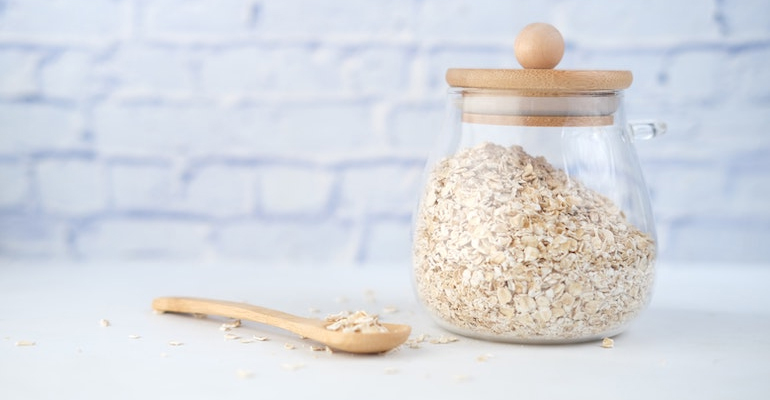
Oat production is sustainable as compared to other commodities. According to Gold&Green, oats have a small carbon footprint and do not require the extensive use of pesticides or fertilizers.
According to ingredient supplier Novozymes, “the CO2 saving from replacing a litre of dairy milk with a litre of oat drink is equivalent to driving 5 km on fossil-based fuel".
With consumers continuously more conscious about the environmental impact of their consumption, oats present an alternative that can offer products similar to animal-based counterparts but with an improved environmental footprint.
Oat cultivation has struggled in recent months. Severe dry weather and continued droughts have led to lower oat production globally, which in turn has prompted an increase in import demand and a corresponding rise in oat futures prices, according to the Wall Street Journal.
Nevertheless, oats appeal to consumers on multiple levels. Not only is it more productive to produce than other agricultural commodities, but oats are laden with anti-oxidants, high in fiber and are known for being effective in combatting heart disease. The ability to tout health benefits, which has become increasingly important as a result of the pandemic, has helped some companies selling oat products to catapult their sales.
Early in the pandemic, oat milk became the second most popular form of plant-based milk, SPINS data found. Sales of oat milk were up 347.3% the first week of March 2020, according to Nielsen data. Oatly, in particular, benefitted from this interest in oats. Its sales rose 212% between 2019 and 2020.
Since then, the interest in oats has deepened. PepsiCo is working with the U.S. government to sequence the oat genome in an effort to unlock its health attributes and breed oats that are both nutritionally and sustainably improved. Green&Gold is also applying its efforts in this direction.
“Gold&Green’s mission is to provide people with healthy and planet-friendly food without compromising taste. Our hope is that people will see how easy it is to make more environmentally-conscious changes in their diet, they can make similar changes in all aspects of their life,” said Maija Itkonen, Chief Innovation Officer & Co-founder of Gold&Green Foods in a statement.

Get more of our news on Google
Set Ingredients Network as a 'Preferred Source' to get quicker access to the news you value.
Related news

Do the US dietary guidelines put UPFs under pressure?
10 Sep 2026
Will the US dietary guidelines change the way Americans eat, swapping ultra-processed foods for whole foods? We asked Dr Barry Popkin, renowned nutrition and obesity researcher.
Read more
Food fraud costs UK economy £2bn each year
9 Sep 2026
Food fraud is costing the UK economy up to £2 billion (€2.3 billion) every year although the food sector is more “resilient” than others, according to a recent study.
Read more
Kellogg accelerates work to remove artificial colours from all US cereals
3 Sep 2026
WK Kellogg has announced an accelerated timeline to eliminate all artificial colours and the chemical preservative, BHT, across its full US portfolio of cereals and cereal packaging.
Read more
Skimpflation: An ‘unfair’ and risky approach to keeping prices low
2 Sep 2026
Consumers see skimpflation – reducing the quality of ingredients due to rising costs – as more unfair than shrinkflation, making it a risky strategy according to recent research.
Read more
‘Urgent gaps’ in achieving 2030 food system goals
27 Aug 2026
Global food systems are failing to meet 2030 targets across indicators including health, environment, and resilience, according to a report co-authored by the Food and Agriculture Organisation (FAO).
Read more
Popular barbecue staples experience sharp price increases
19 Aug 2026
The typical cost of US shoppers’ barbecue baskets has risen by 12% over the past year – the fastest annual rise in a decade, figures from The Economist show.
Read more
Savoury protein snacks shake up the on-the-go market
10 Aug 2026
Sweet flavours have dominated the high-protein snack category but savoury snacks, such as cheese bars and meat sticks, can appeal to health-conscious consumers.
Read more
Digital twin technology gains ground in food manufacturing
6 Aug 2026
Food and beverage companies are increasingly turning to digital twins to optimise and automate manufacturing processes, but opportunities stretch far beyond this, say experts.
Read more
Nestlé invests in regeneratively farmed wheat for KitKat
5 Aug 2026
Nestlé will pay a premium for Wildfarmed’s regeneratively farmed wheat but the CPG remains reticent to promote the move on packs of its KitKat bars.
Read more
Codex sets global thresholds for ‘may contain’ labels
3 Aug 2026
Codex Alimentarius has adopted its first global guidance on when to use “may contain” allergen warnings, setting thresholds intended to stop the label being used as blanket legal cover.
Read more