
Ingredients Categories
Finished Products
Finished Food Categories
- Bakery
- Beverages / Juices
- Cereal and grain products
- Confectionery
- Cooking Fats & Oils
- Dairy
- Egg products
- Fruits & Vegetables
- Infant & Baby food
- Meat, Poultry & Fish
- Nuts & Seeds products
- Other Finished Food Categories
- Pet Food
- Plant-based foods
- Prepared foods
- Sauces & Seasonings
- Sweet & Savoury Spreads
Specialised Finished Products
- Bee products
- Biotic products
- Dietary supplements
- Energy drinks
- Functional beverages
- Functional confectionery
- Functional food
- Functional powders
- Meal replacement products
- Nutricosmetics
- Other Specialised Finished Products
- Pet Dietary Supplements
- Pharma and OTC products
- Protein products
- Sugar replacers / Sweeteners
Health & Wellness Areas
Delivery Formats
Operations & Services
- 3D printing
- Analysis/ Testing
- Auditing & certifications
- Blending & mixing
- Bottling
- Certification
- Clinical trials
- Co-packing
- Coating
- Consulting
- Contract manufacturing
- Drying
- Electrospinning
- Encapsulating
- Enzymatic processing
- Extracting
- Extrusion
- Fat structuring
- Fermentation
- Filling
- Flavour development
- Freeze drying
- Granulating/ grinding/ milling / mixing
- High-pressure processing
- Labelling
- Other Operations & Services
- Packaging
- Packet filling
- Pasturising
- Quality assurance
- Saccharification
- Shear cell processing
- Spray drying
- Sterilisation
- Storage & Logistics
- Tabletting
- Toasting / roasting
- Ultra-high temperature processing
News
Olam announces Cocoa Compass
28 Oct 2019Olam Cocoa has announced its sustainability ambition for the future of the cocoa sector.
Cocoa Compass aims to support the creation of an environmentally positive, professionalised and quality focused cocoa supply chain comprising farmers earning a living income and whose children have access to education.

The company says it is tackling the most pressing challenges currently facing the cocoa industry, and has outlined its plans to address these issues. Cocoa Compass targets areas for action that Olam believes will have the greatest positive impact under the three pillars of Focused on Farmers, Empowered to Grow and Investing in Nature.
Aligned with the United Nation’s Sustainable Development Goals (SDGs) and with milestones for action in 2020 and 2024, Cocoa Compass sets concrete goals for 2030 across the company’s global, direct cocoa supply chain. These goals address living incomes for farmers, child labour, education, deforestation, and the environment to help achieve Olam Cocoa’s vision for the future of the cocoa sector:
+ Improve cocoa farmer livelihoods and enable 150,000 cocoa farmers to achieve a defined living income level, not just lift them out of poverty (the extreme poverty line for an average cocoa growing family in Côte d’Ivoire is USD$2,300 per year and the living income line is USD$7,300 per year)
+ Eliminate child labour
+ Ensure all children of cocoa farmers have access to education
+ Protect forests through a net increase in tree carbon stock
+ Mitigate environmental impact through a 30% reduction in Natural Capital costs
Gerard A. Manley, CEO of Olam Cocoa, said: “For over a decade with our customers and partners, we have been present on the ground, supporting cocoa communities around the world to improve their livelihoods and protect forests, while also providing a stable route to market for farmers through in-country cocoa processing. With our living income goal, we are focusing our efforts on supporting the farmers we believe can be the backbone of a sustainable cocoa supply chain, while continuing to provide holistic support to all cocoa farmers in our sustainability programmes. We know there is still more to do which is why we are challenging ourselves, and the industry, to have an even greater positive impact on the future of cocoa.”
Andrew Brooks, Head of Cocoa Sustainability, said: “Transparency and traceability are core to Cocoa Compass. We remain focused on leveraging social and environmental insights to refine our sustainability programmes to meet the needs of farmers and their communities. AtSource will be the platform through which we deliver these programmes in cocoa growing regions and through which we are able to better understand and report the improvements required to reach our goals. It is tailored towards achieving the objectives of both the Cocoa Compass strategy and our customer’s own sustainability goals.”
The company will publish an annual Cocoa Compass Impact Report to share data collection methodology and update on progress against its goals.
Companies mentioned
Related categories

Get more of our news on Google
Set Ingredients Network as a 'Preferred Source' to get quicker access to the news you value.
Related news

Cottage cheese alternative made from fermented apricot kernels
1 Oct 2026
Revo Foods ferments leftover apricot kernels from jam and juice products into a cottage cheese alternative that naturally contains both protein and fat.
Read more
Is creatine going mainstream in food and drink formulation?
24 Sep 2026
The functional ingredient creatine is gaining traction in the food and drink industry, as brands ramp up production investment and explore new applications.
Read more
New GRAS rules offer consumers confidence but companies are concerned
22 Sep 2026
Public health campaigners are celebrating the US government’s move to close the Generally Recognised as Safe (GRAS) loophole, but companies worry it will stifle innovation.
Read more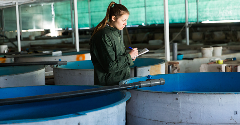
Is the FAO’s industrial aquaculture push harming ecosystems?
21 Sep 2026
The Food and Agriculture Organization (FAO) is promoting industrial aquaculture but campaigners say it creates toxic pollution and threatens food sovereignty.
Read more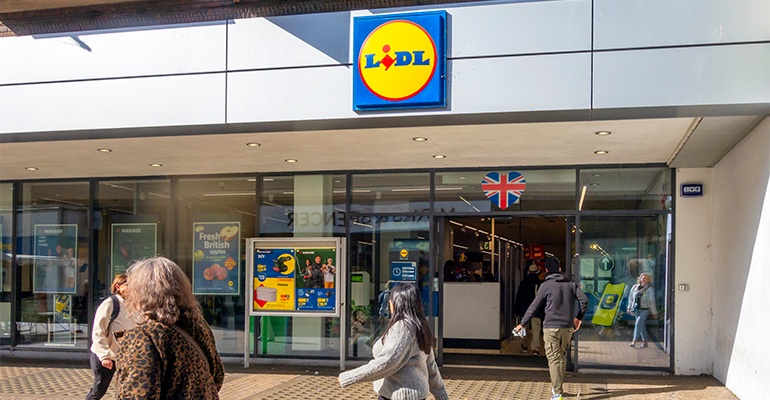
Lidl says Britain 'significantly off track' with healthy and sustainable eating
15 Sep 2026
Discounter retailer Lidl has raised concerns about healthy and sustainable eating habits across Britain, spotlighting how affordability remains a barrier for consumers.
Read more
Do the US dietary guidelines put UPFs under pressure?
10 Sep 2026
Will the US dietary guidelines change the way Americans eat, swapping ultra-processed foods for whole foods? We asked Dr Barry Popkin, renowned nutrition and obesity researcher.
Read more
Food fraud costs UK economy £2bn each year
9 Sep 2026
Food fraud is costing the UK economy up to £2 billion (€2.3 billion) every year although the food sector is more “resilient” than others, according to a recent study.
Read more
Kellogg accelerates work to remove artificial colours from all US cereals
3 Sep 2026
WK Kellogg has announced an accelerated timeline to eliminate all artificial colours and the chemical preservative, BHT, across its full US portfolio of cereals and cereal packaging.
Read more
Skimpflation: An ‘unfair’ and risky approach to keeping prices low
2 Sep 2026
Consumers see skimpflation – reducing the quality of ingredients due to rising costs – as more unfair than shrinkflation, making it a risky strategy according to recent research.
Read more
‘Urgent gaps’ in achieving 2030 food system goals
27 Aug 2026
Global food systems are failing to meet 2030 targets across indicators including health, environment, and resilience, according to a report co-authored by the Food and Agriculture Organisation (FAO).
Read more