
Ingredients Categories
Finished Products
Finished Food Categories
- Bakery
- Beverages / Juices
- Cereal and grain products
- Confectionery
- Cooking Fats & Oils
- Dairy
- Egg products
- Fruits & Vegetables
- Infant & Baby food
- Meat, Poultry & Fish
- Nuts & Seeds products
- Other Finished Food Categories
- Pet Food
- Plant-based foods
- Prepared foods
- Sauces & Seasonings
- Sweet & Savoury Spreads
Specialised Finished Products
- Bee products
- Biotic products
- Dietary supplements
- Energy drinks
- Functional beverages
- Functional confectionery
- Functional food
- Functional powders
- Meal replacement products
- Nutricosmetics
- Other Specialised Finished Products
- Pet Dietary Supplements
- Pharma and OTC products
- Protein products
- Sugar replacers / Sweeteners
Health & Wellness Areas
Delivery Formats
Operations & Services
- 3D printing
- Analysis/ Testing
- Auditing & certifications
- Blending & mixing
- Bottling
- Certification
- Clinical trials
- Co-packing
- Coating
- Consulting
- Contract manufacturing
- Drying
- Electrospinning
- Encapsulating
- Enzymatic processing
- Extracting
- Extrusion
- Fat structuring
- Fermentation
- Filling
- Flavour development
- Freeze drying
- Granulating/ grinding/ milling / mixing
- High-pressure processing
- Labelling
- Other Operations & Services
- Packaging
- Packet filling
- Pasturising
- Quality assurance
- Saccharification
- Shear cell processing
- Spray drying
- Sterilisation
- Storage & Logistics
- Tabletting
- Toasting / roasting
- Ultra-high temperature processing
News
PAN Europe calls for pesticide ban after ‘forever chemical’ found in EU cereals
Tessa Wiles, Content Editor - Food 15 Dec 2025The “forever chemical” trifluoroacetic acid has been found in over 80% of European cereal samples tested, prompting investigators to call for an urgent regulatory response.
The European Pesticide Action Network (PAN Europe), which conducted the research in collaboration with environmental NGOs, published a report in December revealing widespread contamination of cereal-based food products across Europe. It represents the first EU-wide assessment of trifluoroacetic acid in conventional cereal food products.

Per- and polyfluoroalkyl substances (PFAS) are a group of toxic “forever chemicals” that enter the food supply chain during sourcing, processing, and packaging. Trifluoroacetic acid, a short-chain PFAS, was detected in 81.8% of samples tested, PAN Europe said.
Now, the non-profit organisation is calling for urgent action, urging the European Commission and its member states to monitor trifluoroacetic acid in food products and to ban the use of PFAS pesticides. It also recommends that the European Food Safety Authority (EFSA) establishes a protective safety value for trifluoroacetic acid.
Trifluoroacetic acid: Widespread contamination at concerning levels
Building on its previous research into trifluoroacetic acid contamination in European wine and tap water, PAN Europe tested 66 conventional cereal products – including flour, bread, pasta, and breakfast cereals – across 16 EU countries.
Trifluoroacetic acid, which is currently not monitored by EU food authorities, was detected in 54 of the 66 samples. The average concentration found across the samples was 78.9μg/kg, with a peak value of 360μg/kg found in a breakfast cereal purchased in Ireland.
Other examples of highly contaminated products included a wholemeal bread in Belgium (340μg/kg), wheat flour in Germany (310μg/kg), and a baguette in France (210μg/kg).
Compared with other cereal-based products, wheat products were found to contain significantly higher levels of trifluoroacetic acid.
How and when does trifluoroacetic acid contamination occur?
Salomé Roynel, policy officer at PAN Europe, told Ingredients Network that “contamination does not occur during processing, but begins much earlier, when cereals are grown in the field”.
She explained that crops, such as cereals, are exposed to trifluoroacetic acid through two routes: via the direct application of PFAS pesticides, which break down into trifluoroacetic acid; or indirectly, through background contamination.
Roynel discussed several examples of indirect contamination, which include “trifluoroacetic acid that has leached into water resources, and trifluoroacetic acid formed in the atmosphere from the degradation of certain fluorinated gases (F-gases), which is then deposited on to agricultural land through rainfall. Together, these sources contribute to the widespread presence of trifluoroacetic acid in cereal crops”.
Trifluoroacetic acid levels detected in food: 107 times higher than in tap water
In July 2024, PAN Europe published research on trifluoroacetic acid contamination in tap water (detected in 34 of 36 European samples). The most recent study builds on these findings, confirming that food, particularly staple crops, is another pathway for human exposure to PFAS.
PAN Europe confirms that the average concentration of TFA found in the cereal samples (78.9μg/kg) is 107 times higher than the average concentration found in its tap water investigation.
Trifluoroacetic acid is water-soluble, meaning it accumulates in soil and water, where it is easily absorbed by plants. According to PAN Europe, the reason for its high concentration in wheat may be due to the crop's efficiency in accumulating trifluoroacetic acid, probably because of the acid's small molecular size, which allows it to easily pass through the root barrier.
Based on its findings, PAN Europe estimates that, on average, a 60kg adult will ingest around 15.1μg of trifluoroacetic acid a day, while a 20kg child would consume an average of 12.7μg.
This estimate, however, only accounts for cereal-based consumption and does not include estimates from drinking water or other contaminated foods like fruits, vegetables, tea, beer, and wine.
Moreover, children, who generally have a lower body weight than adults and more frequently consume cereals, are at particular risk.
Urgent call for policy intervention and PFAS pesticide ban
Trifluoroacetic acid is classified as a “forever chemical” as it resists natural breakdown, accumulates in soil and water, and is extremely persistent.
In addition, it is known to be both toxic and damaging to reproduction and development, meaning it is presumed to impair fertility and foetal development. PAN Europe states that “industry studies” have linked TFA exposure to reduced sperm quality and adverse effects on the thyroid, liver, and immune functions.
The organisation is calling for an immediate ban on all PFAS pesticides, noting that European farmers already operate successfully without their use, and PFAS-free alternatives have been proven effective, and Integrated Pest Management techniques are widely available.
In response to its findings, PAN Europe is urging the EU to adopt a comprehensive strategy, which includes setting a proactive acceptable daily limit for TFA, and implementing an EU-wide monitoring system for TFA in both food and water.
What immediate steps can cereal producers and ingredient suppliers take?
To reduce exposure to trifluoroacetic acid-forming pesticides, Roynel recommended cereal producers and ingredient suppliers “prioritise sourcing from organic farms wherever possible, or from farms which implement Integrated Pest Management practices, where synthetic pesticides are used only as a last resort”.
She said: “Previous research shows that organically grown cereals typically contain lower levels of trifluoroacetic acid because PFAS pesticides are not permitted in organic agriculture” – adding that “sourcing from farms with a long-standing organic history, especially in regions with lower environmental PFAS burdens, is currently the most effective way to limit exposure”.
However, she warned that organic products are not immune to background contamination due to “the global spread and extreme persistence of trifluoroacetic acid”.

Get more of our news on Google
Set Ingredients Network as a 'Preferred Source' to get quicker access to the news you value.
Related news

Do the US dietary guidelines put UPFs under pressure?
10 Sep 2026
Will the US dietary guidelines change the way Americans eat, swapping ultra-processed foods for whole foods? We asked Dr Barry Popkin, renowned nutrition and obesity researcher.
Read more
Food fraud costs UK economy £2bn each year
9 Sep 2026
Food fraud is costing the UK economy up to £2 billion (€2.3 billion) every year although the food sector is more “resilient” than others, according to a recent study.
Read more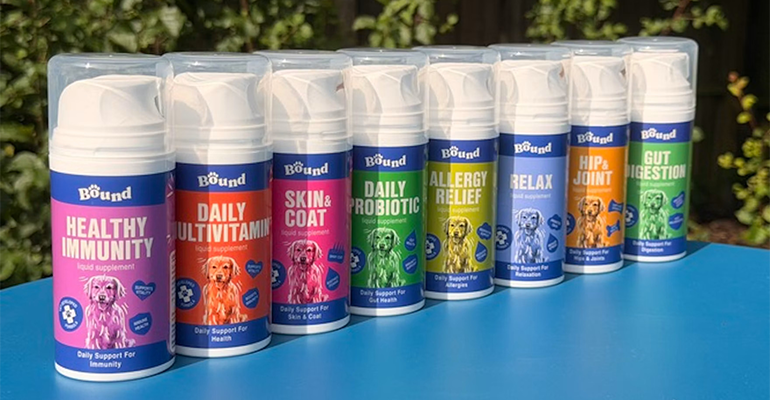
Pump-based liquid pet supplement focuses on health and convenience
8 Sep 2026
Prefera Pet Food uses a plastic pump-based packaging to make administering its liquid supplements for cats and dogs easier, healthier, and more accurate.
Read more
Health and wellness engagement matures across Middle East and Africa
4 Sep 2026
Many consumers in the Middle East and Africa are now proactively engaged in health and wellness, looking to integrate better habits and products into their daily lives, say experts.
Read more
Kellogg accelerates work to remove artificial colours from all US cereals
3 Sep 2026
WK Kellogg has announced an accelerated timeline to eliminate all artificial colours and the chemical preservative, BHT, across its full US portfolio of cereals and cereal packaging.
Read more
Royal Canin launches ‘freshly-cooked’ therapeutic dog food
1 Sep 2026
Mars-owned Royal Canin has moved into the therapeutic diet sector with the launch of its Fresh Veterinary Diets range for dogs with health conditions. We asked a veterinary nutritionist for her opinion.
Read more
‘Urgent gaps’ in achieving 2030 food system goals
27 Aug 2026
Global food systems are failing to meet 2030 targets across indicators including health, environment, and resilience, according to a report co-authored by the Food and Agriculture Organisation (FAO).
Read more
Seven-Eleven uses microbial testing tech to extend katsudon shelf life
26 Aug 2026
Japanese retail company Seven-Eleven has improved its factory’s microbial environment to keep comfort-food staple, katsudon, fresher for longer.
Read more
Chimac’s fusion sauces bring Korean flavours to Europe
25 Aug 2026
Irish sauce brand Chimac is tapping into Korea’s culinary traditions, bringing its flavours and products to European consumers who want a taste of K-food.
Read more
China beverages: Is herbal innovation the future?
20 Aug 2026
Herbal and botanical innovation in China's drinks market continues to grow, with ingredients like astragalus root, ginger, and ginseng in the spotlight – and focus shifting far beyond refreshment.
Read more