
Ingredients Categories
Finished Products
Finished Food Categories
- Bakery
- Beverages / Juices
- Cereal and grain products
- Confectionery
- Cooking Fats & Oils
- Dairy
- Egg products
- Fruits & Vegetables
- Infant & Baby food
- Meat, Poultry & Fish
- Nuts & Seeds products
- Other Finished Food Categories
- Pet Food
- Plant-based foods
- Prepared foods
- Sauces & Seasonings
- Sweet & Savoury Spreads
Specialised Finished Products
- Bee products
- Biotic products
- Dietary supplements
- Energy drinks
- Functional beverages
- Functional confectionery
- Functional food
- Functional powders
- Meal replacement products
- Nutricosmetics
- Other Specialised Finished Products
- Pet Dietary Supplements
- Pharma and OTC products
- Protein products
- Sugar replacers / Sweeteners
Health & Wellness Areas
Delivery Formats
Operations & Services
- 3D printing
- Analysis/ Testing
- Auditing & certifications
- Blending & mixing
- Bottling
- Certification
- Clinical trials
- Co-packing
- Coating
- Consulting
- Contract manufacturing
- Drying
- Electrospinning
- Encapsulating
- Enzymatic processing
- Extracting
- Extrusion
- Fat structuring
- Fermentation
- Filling
- Flavour development
- Freeze drying
- Granulating/ grinding/ milling / mixing
- High-pressure processing
- Labelling
- Other Operations & Services
- Packaging
- Packet filling
- Pasturising
- Quality assurance
- Saccharification
- Shear cell processing
- Spray drying
- Sterilisation
- Storage & Logistics
- Tabletting
- Toasting / roasting
- Ultra-high temperature processing
News
Whole Foods Market forecasts fibre frenzy for 2026
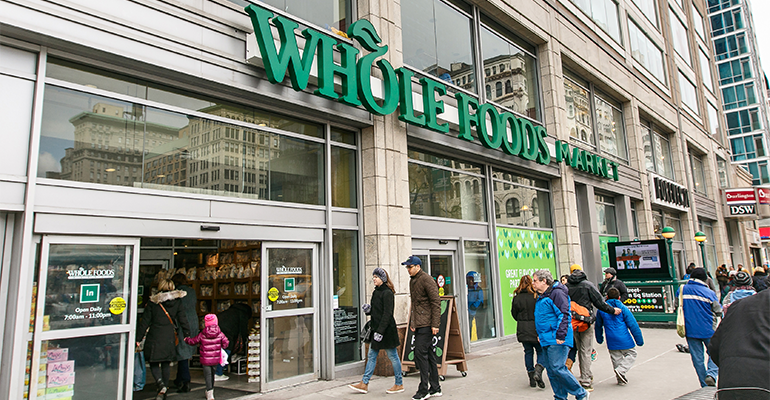
Natasha Spencer-Jolliffe, Freelance Journalist 11 Dec 2025Whole Foods Market has released its top 2026 trends, predicting that a fibre frenzy will take place next year as health-conscious consumers seek out nutritious, filling options.
The retailer named Focus on Fibre as one of its top food trends for 2026, unveiling how key ingredients and experimentation will play a role in closing the fibre gap.
Its predictions follow the rise of “fibremaxxing”, a big TikTok trend in 2025 emphasising the nutritional value of fibre-focused foods. Gut health and satiety will dominate consumer demand in 2026, with ingredients such as cassava, chicory, and konjac on the rise, it said.
The Whole Foods Market’s Trends Council, which comprises foragers, buyers, and food leaders, developed the list. Other picks include Freezer Fine Dining, Kitchen Couture, and Year of the Female Farmer.
“This year’s trends highlight how curiosity, creativity, and conscious choices are shaping the way people eat and shop,” said Sonya Gafsi Oblisk, chief merchandising and marketing officer at Whole Foods Market.
Health, digestive wellness, and natural foods
While protein will retain the top food group spot in 2026, fibre’s popularity is growing.
Consumers are seeking product launches high in fibre that support gut health, holistic digestive wellness, and natural options that help them feel fuller for longer.
With the shift towards fibre-focused foods, brands are updating their packaging to emphasise fibre content and claims. Furthermore, there is an emphasis on manufacturers launching supermarket-ready products with added fibre, including snacks such as crackers and bars as well as staples like pasta and bread.
Fibre is undergoing a demographic revival, moving from its perceived appeal with older consumers to younger shoppers seeking prebiotic fibres and gut health benefits. Expect pantry staple oats to be the hero ingredient in new and scaling product ranges.
Cassava and chicory roots are favourites in prebiotic beverages, while konjac – a root vegetable that has been used for centuries in Asia as food and in traditional medicine – is a top ingredient in plant-based, ready-to-eat meals.
“The 2026 list reflects how quickly ideas can move from emerging concepts to everyday favourites,” said Cathy Strange, ambassador of food culture for Whole Foods Market and member of the Trends Council.
“It’s exciting to see how these trends will shape conversations in kitchens, communities, and the broader food culture in the year ahead.”
Closing the fibre gap
In November, the European Food Information Council (EUFIC) announced the relaunch and expansion of its #SwitchToWholeGrains campaign, as part of marking International Whole Grain Day on 13 November. “Fibre is back in the spotlight and for good reason,” it said.
The non-profit’s extended campaign is designed to help narrow the gap between fibre intake recommendations and real-world consumption, as well as make healthier grain choices.
It follows research from the Global Burden of Disease that found diets across the EU were low in whole grains, a key source of fibre. The fibre gap is linked to more than 145,000 preventable deaths and 2.9 million years of healthy life.
Whole grains, a core contributor of fibre, provide up to 75% more nutrients and considerably more fibre than refined grains, making them key to providing a host of health benefits.
In 2019, a landmark study found that fibre cuts the risk of heart disease, stroke, type 2 diabetes, and colorectal cancer by between 16 and 24%. In addition, research has also found that fibre contributes to a healthy gut and brain.
However, most Europeans consume below the recommended daily fibre intake of 75 to 90g per day. Furthermore, according to EUFIC, in 16 of the 27 EU countries, consumers eat less than 50g of fibre per day, with Spain among the region’s lowest consumers of whole grains.
“We’ve long known that whole grains contribute to better health and help reduce the risk of chronic diseases like heart disease, diabetes and certain cancers,” said Dr Jan De Vries, VP of the Whole Grain Initiative. “The next step is supporting people to turn that knowledge into everyday action.”

Get more of our news on Google
Set Ingredients Network as a 'Preferred Source' to get quicker access to the news you value.
Related news

Do the US dietary guidelines put UPFs under pressure?
10 Sep 2026
Will the US dietary guidelines change the way Americans eat, swapping ultra-processed foods for whole foods? We asked Dr Barry Popkin, renowned nutrition and obesity researcher.
Read more
Food fraud costs UK economy £2bn each year
9 Sep 2026
Food fraud is costing the UK economy up to £2 billion (€2.3 billion) every year although the food sector is more “resilient” than others, according to a recent study.
Read more
Kellogg accelerates work to remove artificial colours from all US cereals
3 Sep 2026
WK Kellogg has announced an accelerated timeline to eliminate all artificial colours and the chemical preservative, BHT, across its full US portfolio of cereals and cereal packaging.
Read more
Skimpflation: An ‘unfair’ and risky approach to keeping prices low
2 Sep 2026
Consumers see skimpflation – reducing the quality of ingredients due to rising costs – as more unfair than shrinkflation, making it a risky strategy according to recent research.
Read more
NielsenIQ’s EU barometer shows Britain leading in grocery inflation
31 Aug 2026
Britain was the only country to record grocery inflation above 2%, according to NielsenIQ data that compared Europe’s five biggest grocery markets from February to May 2026.
Read more
‘Urgent gaps’ in achieving 2030 food system goals
27 Aug 2026
Global food systems are failing to meet 2030 targets across indicators including health, environment, and resilience, according to a report co-authored by the Food and Agriculture Organisation (FAO).
Read more
Chimac’s fusion sauces bring Korean flavours to Europe
25 Aug 2026
Irish sauce brand Chimac is tapping into Korea’s culinary traditions, bringing its flavours and products to European consumers who want a taste of K-food.
Read more
Global demand for instant noodles continues to rise
24 Aug 2026
Global demand for instant noodles reached 124.21 billion servings last year, representing a 0.7% year-on-year increase – or 900 million extra servings.
Read more
Popular barbecue staples experience sharp price increases
19 Aug 2026
The typical cost of US shoppers’ barbecue baskets has risen by 12% over the past year – the fastest annual rise in a decade, figures from The Economist show.
Read more
Hot NPD: Nissin launches first cold-water Cup Noodles
18 Aug 2026
Nissin is taking one of Japan’s most iconic instant meals in a completely new direction with the launch of the first cold water-only Cup Noodles in the brand’s 55-year history.
Read more