
Ingredients Categories
Finished Products
Finished Food Categories
- Bakery
- Beverages / Juices
- Cereal and grain products
- Confectionery
- Cooking Fats & Oils
- Dairy
- Egg products
- Fruits & Vegetables
- Infant & Baby food
- Meat, Poultry & Fish
- Nuts & Seeds products
- Other Finished Food Categories
- Pet Food
- Plant-based foods
- Prepared foods
- Sauces & Seasonings
- Sweet & Savoury Spreads
Specialised Finished Products
- Bee products
- Biotic products
- Dietary supplements
- Energy drinks
- Functional beverages
- Functional confectionery
- Functional food
- Functional powders
- Meal replacement products
- Nutricosmetics
- Other Specialised Finished Products
- Pet Dietary Supplements
- Pharma and OTC products
- Protein products
- Sugar replacers / Sweeteners
Health & Wellness Areas
Delivery Formats
Operations & Services
- 3D printing
- Analysis/ Testing
- Auditing & certifications
- Blending & mixing
- Bottling
- Certification
- Clinical trials
- Co-packing
- Coating
- Consulting
- Contract manufacturing
- Drying
- Electrospinning
- Encapsulating
- Enzymatic processing
- Extracting
- Extrusion
- Fat structuring
- Fermentation
- Filling
- Flavour development
- Freeze drying
- Granulating/ grinding/ milling / mixing
- High-pressure processing
- Labelling
- Other Operations & Services
- Packaging
- Packet filling
- Pasturising
- Quality assurance
- Saccharification
- Shear cell processing
- Spray drying
- Sterilisation
- Storage & Logistics
- Tabletting
- Toasting / roasting
- Ultra-high temperature processing
News
Plant-based brand No Evil Foods pledges become plastic negative
17 Nov 2020No Evil Foods is the latest company to establish a laudable and aspirational sustainability goal, committing to become plastic negative by remove two pounds of plastic for every one pound they generate through a partnership with rePurpose Global. The brand intends to accomplish this by funding the recovery and recycling of two pounds of plastic in northern India for each pound that the company generates as a part of their manufacturing process in the United States.
The company estimates that in the first year it will remove 8,000 pounds of plastic from the ecosystem, which amounts to two times the amount of plastic used to produce No Evil Foods' products.

No Evil Foods’ co-founder Sadrah Schadel said in a statement that plastic remains a necessary material for the company to create a safe product for consumers and, “Until viable alternatives exist, we will continue to seek ways to manage the impact of the creation of our products."
The North Carolina-located, plant-based meat brand already features packaging that is designed with sustainability in mind. Outside of the interior plastic wrappers to preserve product quality, the plant-based meat products are wrapped in a carton made from 100% compostable and recyclable materials and uses labels printed with plant-based ink and water-soluble adhesives.
Although the commitment to become a plastic negative company is a step farther than many other corporations have taken, No Evil Foods is not alone in its efforts to reduce its carbon footprint. Last year, Canada’s Maple Leaf Foods said it became the first major food company to achieve carbon neutral status and is committed to reducing its environmental footprint in half by 2025. Nestlé is committed to achieving zero net greenhouse gasses by 2050, and last month, the Swiss company became an inaugural member of the Net Zero Initiative sponsored by the Innovation Center for U.S. Dairy. This year, the U.K.’s Quorn began putting data on its labels related to the carbon footprint impact for 30 of its meatless products.
Companies across the board have been working to boost their green credentials as consumers demand more follow through on sustainability promises. A Greenpeace report last year analyzed more than 50 CPG companies and found that the majority fall short of their goals.
Consumers, however, are deeply committed to sustainability ideals as evidenced by the massive surge in the popularity of plant-based options, particularly following the onset of the pandemic. And shoppers' dedication to sustainability is not only relegated to the protein industry. Across the board, consumers have been shown to be willing to pay more for products that have sustainability claims and are able to transparently show the efficacy of these initiatives. Likely, should No Evil Foods be able to transparently communicate the effects of its plastic removal initiative, it will financially benefit from another demonstration of its commitment to the environment.

Get more of our news on Google
Set Ingredients Network as a 'Preferred Source' to get quicker access to the news you value.
Related news

Kellogg accelerates work to remove artificial colours from all US cereals
3 Sep 2026
WK Kellogg has announced an accelerated timeline to eliminate all artificial colours and the chemical preservative, BHT, across its full US portfolio of cereals and cereal packaging.
Read more
Skimpflation: An ‘unfair’ and risky approach to keeping prices low
2 Sep 2026
Consumers see skimpflation – reducing the quality of ingredients due to rising costs – as more unfair than shrinkflation, making it a risky strategy according to recent research.
Read more
‘Urgent gaps’ in achieving 2030 food system goals
27 Aug 2026
Global food systems are failing to meet 2030 targets across indicators including health, environment, and resilience, according to a report co-authored by the Food and Agriculture Organisation (FAO).
Read more
Seven-Eleven uses microbial testing tech to extend katsudon shelf life
26 Aug 2026
Japanese retail company Seven-Eleven has improved its factory’s microbial environment to keep comfort-food staple, katsudon, fresher for longer.
Read more
Global demand for instant noodles continues to rise
24 Aug 2026
Global demand for instant noodles reached 124.21 billion servings last year, representing a 0.7% year-on-year increase – or 900 million extra servings.
Read more
Popular barbecue staples experience sharp price increases
19 Aug 2026
The typical cost of US shoppers’ barbecue baskets has risen by 12% over the past year – the fastest annual rise in a decade, figures from The Economist show.
Read more
Hot NPD: Nissin launches first cold-water Cup Noodles
18 Aug 2026
Nissin is taking one of Japan’s most iconic instant meals in a completely new direction with the launch of the first cold water-only Cup Noodles in the brand’s 55-year history.
Read more
Savoury protein snacks shake up the on-the-go market
10 Aug 2026
Sweet flavours have dominated the high-protein snack category but savoury snacks, such as cheese bars and meat sticks, can appeal to health-conscious consumers.
Read more
Nestlé invests in regeneratively farmed wheat for KitKat
5 Aug 2026
Nestlé will pay a premium for Wildfarmed’s regeneratively farmed wheat but the CPG remains reticent to promote the move on packs of its KitKat bars.
Read more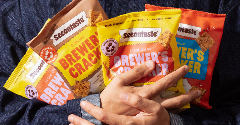
How Secon Taste is putting upcycled snacks on shelves
4 Aug 2026
Hungarian zero-waste startup Secon Taste is turning surplus food into upcycled snacks such as fibre-packed granola, instant porridge, and a circular coffee-tasting box.
Read more