
Ingredients Categories
Finished Products
Finished Food Categories
- Bakery
- Beverages / Juices
- Cereal and grain products
- Confectionery
- Cooking Fats & Oils
- Dairy
- Egg products
- Fruits & Vegetables
- Infant & Baby food
- Meat, Poultry & Fish
- Nuts & Seeds products
- Other Finished Food Categories
- Pet Food
- Plant-based foods
- Prepared foods
- Sauces & Seasonings
- Sweet & Savoury Spreads
Specialised Finished Products
- Bee products
- Biotic products
- Dietary supplements
- Energy drinks
- Functional beverages
- Functional confectionery
- Functional food
- Functional powders
- Meal replacement products
- Nutricosmetics
- Other Specialised Finished Products
- Pet Dietary Supplements
- Pharma and OTC products
- Protein products
- Sugar replacers / Sweeteners
Health & Wellness Areas
Delivery Formats
Operations & Services
- 3D printing
- Analysis/ Testing
- Auditing & certifications
- Blending & mixing
- Bottling
- Certification
- Clinical trials
- Co-packing
- Coating
- Consulting
- Contract manufacturing
- Drying
- Electrospinning
- Encapsulating
- Enzymatic processing
- Extracting
- Extrusion
- Fat structuring
- Fermentation
- Filling
- Flavour development
- Freeze drying
- Granulating/ grinding/ milling / mixing
- High-pressure processing
- Labelling
- Other Operations & Services
- Packaging
- Packet filling
- Pasturising
- Quality assurance
- Saccharification
- Shear cell processing
- Spray drying
- Sterilisation
- Storage & Logistics
- Tabletting
- Toasting / roasting
- Ultra-high temperature processing
News
How brands can formulate for GLP-1 food cravings
Natasha Spencer-Jolliffe, Freelance Journalist 22 Apr 2026Research suggests GLP-1 drugs don't remove food cravings – they change them, prompting new product development to focus on nutrition and enjoyment.
Glucagon-like peptide-1 (GLP-1) agonists are a class of medications used to treat type 2 diabetes mellitus and obesity.
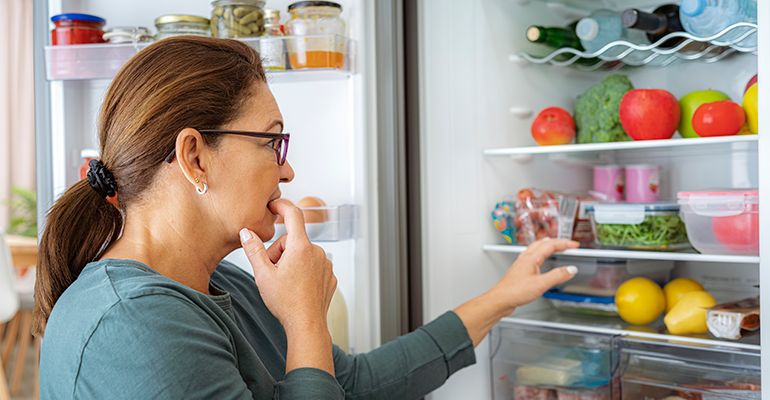
Growing in popularity in recent years, Goldman Sachs insights estimates that by 2028, 70 million consumers in the US alone will have tried GLP-1 medicines.
Learning how these drugs affect food preferences is of increasing interest to researchers, and focus for manufacturers who want to meet the demands of this growing consumer base.
GLP-1 research is still evolving
Cravings may become less frequent or less pronounced, but consumers who use GLP‑1s still seek the same flavours and comfort foods they enjoyed before starting medication. Consumers respond by changing their behaviour and adapting their routines to smaller portions or new formats.
Research into the relationship between GLP-1 drugs and food cravings is growing, but it is an evolving area. Current insights show distinct stages of the GLP‑1 journey, from early appetite suppression and digestive adaptation to long‑term weight maintenance and metabolic balance.
Sensory properties, such as taste, are crucial to the food and drinks consumers purchase. Yet, researchers from the University of Pennsylvania have found GLP-1 medications affect taste. This suggests that knowing more about how these drugs impact taste and smell is an important element of formulating for GLP-1 users.
The 2025 research study found that GLP-1 medications alter the function of a major sensory system, meaning their ability to taste was worsened. Their findings showed this was the case for all five basic taste qualities. Yet, exactly why this occurs is unknown.
Protein-packed products prove promising
Recent research has found GLP-1 users purchase more protein-based goods. A 2026 study found that using GLP-1 medications changed consumers’ purchasing patterns across most nutrient categories studied. After their first prescription, consumers bought more protein and fewer calories, sugars, saturated fats, and carbohydrates, and reduced their purchases of ultra-processed foods (UPFs).
The relationship between GLP-1 use and increased protein intake is further supported by another 2025 study that specifically examined GLP-1 use and protein demand. Scientists found that GLP-1 medications increase consumers’ willingness to pay for protein-packed products.
The response from food manufacturers
GLP‑1 medications are accelerating change in the food industry, ramping up long‑standing consumer desires for enjoyable, nutritious and purposeful eating.
“There is an increasing need for manufacturers to develop nutrient‑dense, high‑protein, and portion‑controlled products to meet the needs of consumers experiencing reduced appetite,” Santiago Vega, vice president of marketing, North America at Givaudan, told this publication.
Across the food and beverage industry, consumer demand for these products has spurred new developments in ready‑to‑drink shakes, functional drinks, and protein‑fortified snacks, which have become popular options in the better-for-you and healthier-alternatives space.
Indulgent foods that are packaged in smaller portion sizes are also key to meeting consumers’ physiological and emotional needs.
“In many cases, formulating products for higher nutrient density or lower calories comes with some taste challenges, such as off notes or astringency,” said Vega.
Manufacturers are teaming up with brands to strategise ways to maintain appeal by creating an enjoyable eating experience while improving nutritional value.
They are creating masking solutions for high‑protein formulations, mouthfeel-enhancement tools for indulgence, and sugar- and sodium-reduction technologies.
Predictions for the future of GLP-1 launches
New launches will increasingly focus on nutrient density and functional benefits centring on protein, fibre or gut health. Manufacturers can aim to enhance satiety in their formulations to support former GLP-1 users manage returning hunger and “food noise”. They can also design permissible indulgences that focus on smart ingredients and texture design to provide nutrient-dense options in smaller portions.
More high‑protein dairy products, fibre-rich snacks, and convenient, portion‑controlled options that make “every bite count” is a key approach manufacturers need to adopt.

Get more of our news on Google
Set Ingredients Network as a 'Preferred Source' to get quicker access to the news you value.
Related news

Do the US dietary guidelines put UPFs under pressure?
10 Sep 2026
Will the US dietary guidelines change the way Americans eat, swapping ultra-processed foods for whole foods? We asked Dr Barry Popkin, renowned nutrition and obesity researcher.
Read more
Health and wellness engagement matures across Middle East and Africa
4 Sep 2026
Many consumers in the Middle East and Africa are now proactively engaged in health and wellness, looking to integrate better habits and products into their daily lives, say experts.
Read more
Skimpflation: An ‘unfair’ and risky approach to keeping prices low
2 Sep 2026
Consumers see skimpflation – reducing the quality of ingredients due to rising costs – as more unfair than shrinkflation, making it a risky strategy according to recent research.
Read more
‘Urgent gaps’ in achieving 2030 food system goals
27 Aug 2026
Global food systems are failing to meet 2030 targets across indicators including health, environment, and resilience, according to a report co-authored by the Food and Agriculture Organisation (FAO).
Read more
Seven-Eleven uses microbial testing tech to extend katsudon shelf life
26 Aug 2026
Japanese retail company Seven-Eleven has improved its factory’s microbial environment to keep comfort-food staple, katsudon, fresher for longer.
Read more
Chimac’s fusion sauces bring Korean flavours to Europe
25 Aug 2026
Irish sauce brand Chimac is tapping into Korea’s culinary traditions, bringing its flavours and products to European consumers who want a taste of K-food.
Read more
Global demand for instant noodles continues to rise
24 Aug 2026
Global demand for instant noodles reached 124.21 billion servings last year, representing a 0.7% year-on-year increase – or 900 million extra servings.
Read more
Popular barbecue staples experience sharp price increases
19 Aug 2026
The typical cost of US shoppers’ barbecue baskets has risen by 12% over the past year – the fastest annual rise in a decade, figures from The Economist show.
Read more
Hot NPD: Nissin launches first cold-water Cup Noodles
18 Aug 2026
Nissin is taking one of Japan’s most iconic instant meals in a completely new direction with the launch of the first cold water-only Cup Noodles in the brand’s 55-year history.
Read more
Manam Chocolate aims to bring premium Indian cacao to 'the world stage'
11 Aug 2026
Craft chocolate brand Manam Chocolate is investing in local expansion and supply chain innovation throughout India as it works to build out the premium reputation of its locally produced cacao products.
Read more