
Ingredients Categories
Finished Products
Finished Food Categories
- Bakery
- Beverages / Juices
- Cereal and grain products
- Confectionery
- Cooking Fats & Oils
- Dairy
- Egg products
- Fruits & Vegetables
- Infant & Baby food
- Meat, Poultry & Fish
- Nuts & Seeds products
- Other Finished Food Categories
- Pet Food
- Plant-based foods
- Prepared foods
- Sauces & Seasonings
- Sweet & Savoury Spreads
Specialised Finished Products
- Bee products
- Biotic products
- Dietary supplements
- Energy drinks
- Functional beverages
- Functional confectionery
- Functional food
- Functional powders
- Meal replacement products
- Nutricosmetics
- Other Specialised Finished Products
- Pet Dietary Supplements
- Pharma and OTC products
- Protein products
- Sugar replacers / Sweeteners
Health & Wellness Areas
Delivery Formats
Operations & Services
- 3D printing
- Analysis/ Testing
- Auditing & certifications
- Blending & mixing
- Bottling
- Certification
- Clinical trials
- Co-packing
- Coating
- Consulting
- Contract manufacturing
- Drying
- Electrospinning
- Encapsulating
- Enzymatic processing
- Extracting
- Extrusion
- Fat structuring
- Fermentation
- Filling
- Flavour development
- Freeze drying
- Granulating/ grinding/ milling / mixing
- High-pressure processing
- Labelling
- Other Operations & Services
- Packaging
- Packet filling
- Pasturising
- Quality assurance
- Saccharification
- Shear cell processing
- Spray drying
- Sterilisation
- Storage & Logistics
- Tabletting
- Toasting / roasting
- Ultra-high temperature processing
News
Rethinking pet nutrition: The rise of minimally processed fresh and raw pet food
Rik Moors 7 Nov 2024Concerns over ultra-processed foods (UPFs) and their long-term health effects could see consumers slowly move away from the traditionally dominant kibble.
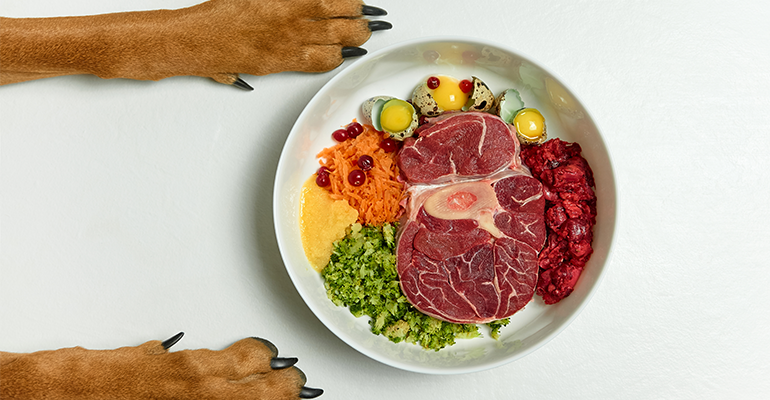
Pet owners are increasingly looking for what they consider more species-appropriate nutrition and more transparency in how pet food is produced, boosting the popularity of minimally processed pet foods.
Experts behind two pet food brands with less processed offerings, Australia-based scaleup Lyka and US brand Instinct Pet Food, share their perspectives on the growing appetite for fresh, raw, and lightly cooked meals.
Health concerns driving demand for minimally processed pet foods
The rise of minimally or less processed pet food reflects growing concerns about the health effects of UPFs, which dominate the pet food market. According to Gabriel Guedes, COO and CFO of Lyka, the health risks associated with UPFs in human nutrition have clear parallels in the pet food industry. "The concerns in the human world are all applicable and magnified for pets. Healthy humans occasionally indulge in UPFs and, in more extreme cases, may take 50% of their nutrition from these. However, for pets, it is not uncommon that 100% of their nutritional needs are served by UPFs."
Kibble, a staple of the pet food industry, falls under category 4 of the NOVA classification for ultra-processed foods. Guedes explains that the health implications for pets are significant: “Over 40% of dogs are obese or overweight, while over 30% will be impacted by cancer in their lifetimes … If the prevalence of obesity or cancer was as high in humans as it is in pets today, there would be a public outcry!”
This trend toward minimally processed diets is not limited to niche markets. Consumers are becoming more discerning, scrutinising ingredient lists for signs of over-processing. Mintel reports that pet owners are increasingly focused on cleaner formulations, with claims like “no additives” and “no preservatives” gaining traction, especially in regions like Australia and New Zealand.
The rise of fresh and raw pet foods
“Pet food health trends lag mainstream human health understanding by almost a decade, but in recent years we have seen an acceleration of the gap closing,” says Guedes. As this understanding and consumer demands evolved, pet foods changed with it – starting with improved kibble with adjusted formulations and moving to improved ingredient quality.
However, says Guedes “although appealing to customers’ concerns at the surface level, this did not fundamentally change the core issues with kibble, namely feed-grade ingredients, a high proportion of carbs (cats are obligatory carnivores, while dogs should have meat as a high proportion of their nutrition to thrive), and all ultra-processed in a way that is associated with poor health outcomes.”
In the latest wave of changes, minimally processed pet foods—such as fresh meals, raw diets, and lightly cooked products—are gaining ground as healthier alternatives. These products avoid the high-heat processing typical of kibble, preserving more of the nutrients naturally present in the ingredients.
At Lyka, meals are cooked at low temperatures to retain as much nutritional value as possible. "We cook our products at low temperatures (90°C) in a steam process that is considered category 3 in the NOVA classification and not UPF," says Guedes. This allows Lyka to deliver fresh meals that cater to what it considers more species-appropriate diets for pets.
Instinct Pet Food, meanwhile, focuses entirely on raw pet foods. Dr. Susan Wynn, a board-certified veterinary nutritionist and the senior director of scientific affairs at Instinct, explains, “There are studies showing that dogs eating raw foods like Instinct have lower markers of inflammation than dogs eating extruded foods. Multiple studies also show that dogs eating raw foods show evidence of different fat metabolism activity than dogs eating dry foods.”
Wynn adds that research into Advanced Glycation End-products (AGEs)—which form during high-heat processing—suggests that ultra-processed pet foods may contribute to conditions like diabetes, hypertension, and arthritis in pets, much as they do in humans. “More research is needed to solidify the link between processed food and the AGE content being the cause for worsening these diseases, but the studies so far show that feeding minimally processed food is beneficial.”
Market shifts and emerging opportunities
Demand for healthier, more natural pet foods has been on the rise worldwide. According to Innova Market Insights, new product development (NPD) in the pet food category saw a compound annual growth rate (CAGR) of 6.8% between 2018 and 2022, with the subcategory of dog and cat supplements leading the way. Many of these new launches focus on digestive health, immunity, and other functional benefits.
This shift has also been driven by a broader consumer interest in transparency and product safety. Consumers are doing more research into providing the best nutritional care for their pets, co-occurring with innovations in pet supplements and “biologically appropriate” diets.
Challenges for established brands and startups
The rise of minimal processing is largely driven by newer companies like Lyka, but some larger brands have also begun to explore less processed options. Instinct Pet Food has been offering raw products for more than two decades. Even major players in the pet food market are starting to move in this direction. In 2015, Nestlé Purina, one of the biggest international pet food companies, purchased Merrick Pet Care, a boosted kibble (conventional extruded kibble with freeze-dried raw inclusions) brand. And two years ago, Mars – one of the top three US pet food companies – purchased direct-to-consumer fresh cooked, frozen food brand Nom Nom.
However, Guedes believes that most established brands still fall short when it comes to addressing the root issues of ultra-processing. “Established pet food brands have changed some of their products and moved away from a pure kibble offering, but their typical offering is entirely UPF.”
Startups and scaleups in this space are still frequently positioning themselves as premium alternatives, often using direct-to-consumer models to ensure freshness and transparency. Lyka’s meals, for instance, are delivered directly to customers and made in small batches from locally sourced ingredients.
Regulatory landscape and consumer awareness
Despite the growth in demand for minimally processed pet foods, the regulatory landscape has not yet caught up with the shift away from ultra-processed products. “Regulation in the pet food industry has always lagged human food,” says Guedes. “Given the UPF conversation only started recently in human food and change in this industry takes a long time, I would not expect regulation to play a big role in the pet food transition to more natural alternatives.”
Wynn adds that while increased transparency in labelling would be beneficial, especially around processing levels and the presence of AGEs, more research is still needed to fully understand the health implications of different processing methods. “As the research accumulates in pet nutrition, one thing we can do is require labelling for the AGE content. However, AGEs may not be the only story.”
In the absence of regulatory changes, it is consumer awareness that is driving the market for minimally processed pet foods. With more pet owners researching nutrition and becoming aware of the potential risks associated with UPFs, demand for minimally processed options is expected to continue growing.

Get more of our news on Google
Set Ingredients Network as a 'Preferred Source' to get quicker access to the news you value.
Related news

M&S launches own-brand pet food range
11 Sep 2026
UK retailer Marks & Spencer has launched its own-brand pet food line Paws & Pals – a well-timed and strategic move that will appeal to loyal shoppers, says a marketing expert.
Read more
Do the US dietary guidelines put UPFs under pressure?
10 Sep 2026
Will the US dietary guidelines change the way Americans eat, swapping ultra-processed foods for whole foods? We asked Dr Barry Popkin, renowned nutrition and obesity researcher.
Read more
Food fraud costs UK economy £2bn each year
9 Sep 2026
Food fraud is costing the UK economy up to £2 billion (€2.3 billion) every year although the food sector is more “resilient” than others, according to a recent study.
Read more
Health and wellness engagement matures across Middle East and Africa
4 Sep 2026
Many consumers in the Middle East and Africa are now proactively engaged in health and wellness, looking to integrate better habits and products into their daily lives, say experts.
Read more
Kellogg accelerates work to remove artificial colours from all US cereals
3 Sep 2026
WK Kellogg has announced an accelerated timeline to eliminate all artificial colours and the chemical preservative, BHT, across its full US portfolio of cereals and cereal packaging.
Read more
Skimpflation: An ‘unfair’ and risky approach to keeping prices low
2 Sep 2026
Consumers see skimpflation – reducing the quality of ingredients due to rising costs – as more unfair than shrinkflation, making it a risky strategy according to recent research.
Read more
Royal Canin launches ‘freshly-cooked’ therapeutic dog food
1 Sep 2026
Mars-owned Royal Canin has moved into the therapeutic diet sector with the launch of its Fresh Veterinary Diets range for dogs with health conditions. We asked a veterinary nutritionist for her opinion.
Read more
NielsenIQ’s EU barometer shows Britain leading in grocery inflation
31 Aug 2026
Britain was the only country to record grocery inflation above 2%, according to NielsenIQ data that compared Europe’s five biggest grocery markets from February to May 2026.
Read more
‘Urgent gaps’ in achieving 2030 food system goals
27 Aug 2026
Global food systems are failing to meet 2030 targets across indicators including health, environment, and resilience, according to a report co-authored by the Food and Agriculture Organisation (FAO).
Read more
Seven-Eleven uses microbial testing tech to extend katsudon shelf life
26 Aug 2026
Japanese retail company Seven-Eleven has improved its factory’s microbial environment to keep comfort-food staple, katsudon, fresher for longer.
Read more