
Ingredients Categories
Finished Products
Finished Food Categories
- Bakery
- Beverages / Juices
- Cereal and grain products
- Confectionery
- Cooking Fats & Oils
- Dairy
- Egg products
- Fruits & Vegetables
- Infant & Baby food
- Meat, Poultry & Fish
- Nuts & Seeds products
- Other Finished Food Categories
- Pet Food
- Plant-based foods
- Prepared foods
- Sauces & Seasonings
- Sweet & Savoury Spreads
Specialised Finished Products
- Bee products
- Biotic products
- Dietary supplements
- Energy drinks
- Functional beverages
- Functional confectionery
- Functional food
- Functional powders
- Meal replacement products
- Nutricosmetics
- Other Specialised Finished Products
- Pet Dietary Supplements
- Pharma and OTC products
- Protein products
- Sugar replacers / Sweeteners
Health & Wellness Areas
Delivery Formats
Operations & Services
- 3D printing
- Analysis/ Testing
- Auditing & certifications
- Blending & mixing
- Bottling
- Certification
- Clinical trials
- Co-packing
- Coating
- Consulting
- Contract manufacturing
- Drying
- Electrospinning
- Encapsulating
- Enzymatic processing
- Extracting
- Extrusion
- Fat structuring
- Fermentation
- Filling
- Flavour development
- Freeze drying
- Granulating/ grinding/ milling / mixing
- High-pressure processing
- Labelling
- Other Operations & Services
- Packaging
- Packet filling
- Pasturising
- Quality assurance
- Saccharification
- Shear cell processing
- Spray drying
- Sterilisation
- Storage & Logistics
- Tabletting
- Toasting / roasting
- Ultra-high temperature processing
News
Stressing health benefits of frozen foods can counter consumer resistance
Simon Pitman, Freelance Journalist 24 Jun 2025Many consumers express reservations about frozen food – but on-point messaging about health benefits can help manufacturers counter this resistance, says the British Frozen Foods Federation.
A study conducted by the University of Portsmouth and published in the peer-reviewed British Food Journal found that despite awareness of benefits such as cutting food waste and enhancing nutrition, UK consumers still have reservations about the health and freshness of frozen foods.
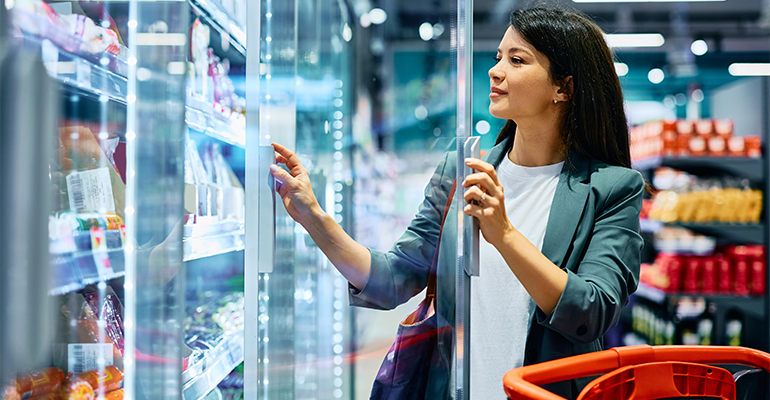
The study highlighted that younger consumers have a particularly high rate of resistance, with one 2023 survey showing that nearly half of 16- to 24-year-olds in the UK prefer fresh over frozen options.
Rupert Ashby, chief executive of the BFFF, pointed to several areas where frozen food manufacturers can help counter negative perceptions of frozen foods by highlighting their various attributes.
“While consumer perception of frozen food is a longstanding challenge that we recognise, our research shows that this is changing as consumers start to see the benefits of the products,” he said.
“A recent study we commissioned with consumer insight specialist Vypr found that 90% of respondents on a sizeable panel of shoppers believed that the nutritional quality of frozen food has increased in recent years, and 25% said that the improvement has been ‘significant’.”
A more positive message about frozen foods
Highlighting this strategy, the BFFF’s Frozen Food Revolution campaign was launched to emphasise a more positive message about the nutritional benefits of frozen foods to consumers across the UK, as part of moves to counter outdated notions.
Pointing to a growing body of scientific evidence that frozen foods are a sustainable and efficient way of locking in nutrition, Ashby believes that fact-based messaging is the best way to resonate.
“The industry is already pursuing a variety of consumer education campaigns energetically, but more still needs to be done,” he said.
“When people are given the facts, resistance drops. Our annual Frozen Food Revolution campaign is already raising awareness, but we know we need greater investment to reach more people.”
Pointing to one direction that frozen food manufacturers can take, Ashby added that positive messaging focusing on how frozen food can cut food waste, reduce carbon emissions, and support affordable, healthy diets, is likely to resonate.
Tackling frozen food resistance in younger consumers
What about younger consumers? How can manufacturers make moves to ensure that this crucial consumer group will adopt frozen foods once they leave home and start buying their own groceries?
“The opportunity we have to win over the younger generation is huge. Frozen supports climate goals, reduces food waste, and caters to diverse dietary needs – benefits that resonate strongly with gen Z,” said Ashby.
“As brands increasingly look to target younger consumers, we’re seeing them starting to deliver marketing campaigns across platforms like TikTok, Instagram, and YouTube, while also working to make packaging more appealing to younger buyers.”
Peer recommendations and less waste
While he points out that frozen foods have evolved significantly in the past 10 to 15 years, Ashby highlighted his belief that part of the problem is because consumer perception lags behind the better products that are currently available.
“Peer recommendations and online reviews now carry more weight than traditional ads, especially with younger audiences. That’s why we’re encouraging brands to empower their customers to share real, positive stories and spotlighting frozen [food’s] quality and convenience across social media,” he said.
The sustainability aspect is another area that brands can capitalise on to win consumers over, particularly by stressing the positive impact on food waste, a point that increasingly concerns many consumers, particularly in the younger age groups.
“Reframing frozen food as the forward-thinking option is achievable given the proven benefits is brings: less food waste, lower emissions, and better value. The key is to keep communicating these messages, while letting the ever-increasing quality and diversity of frozen products speak for itself,” Ashby said.

Get more of our news on Google
Set Ingredients Network as a 'Preferred Source' to get quicker access to the news you value.
Related news

M&S launches own-brand pet food range
11 Sep 2026
UK retailer Marks & Spencer has launched its own-brand pet food line Paws & Pals – a well-timed and strategic move that will appeal to loyal shoppers, says a marketing expert.
Read more
Do the US dietary guidelines put UPFs under pressure?
10 Sep 2026
Will the US dietary guidelines change the way Americans eat, swapping ultra-processed foods for whole foods? We asked Dr Barry Popkin, renowned nutrition and obesity researcher.
Read more
Food fraud costs UK economy £2bn each year
9 Sep 2026
Food fraud is costing the UK economy up to £2 billion (€2.3 billion) every year although the food sector is more “resilient” than others, according to a recent study.
Read more
Health and wellness engagement matures across Middle East and Africa
4 Sep 2026
Many consumers in the Middle East and Africa are now proactively engaged in health and wellness, looking to integrate better habits and products into their daily lives, say experts.
Read more
Kellogg accelerates work to remove artificial colours from all US cereals
3 Sep 2026
WK Kellogg has announced an accelerated timeline to eliminate all artificial colours and the chemical preservative, BHT, across its full US portfolio of cereals and cereal packaging.
Read more
Skimpflation: An ‘unfair’ and risky approach to keeping prices low
2 Sep 2026
Consumers see skimpflation – reducing the quality of ingredients due to rising costs – as more unfair than shrinkflation, making it a risky strategy according to recent research.
Read more
Royal Canin launches ‘freshly-cooked’ therapeutic dog food
1 Sep 2026
Mars-owned Royal Canin has moved into the therapeutic diet sector with the launch of its Fresh Veterinary Diets range for dogs with health conditions. We asked a veterinary nutritionist for her opinion.
Read more
NielsenIQ’s EU barometer shows Britain leading in grocery inflation
31 Aug 2026
Britain was the only country to record grocery inflation above 2%, according to NielsenIQ data that compared Europe’s five biggest grocery markets from February to May 2026.
Read more
‘Urgent gaps’ in achieving 2030 food system goals
27 Aug 2026
Global food systems are failing to meet 2030 targets across indicators including health, environment, and resilience, according to a report co-authored by the Food and Agriculture Organisation (FAO).
Read more
Seven-Eleven uses microbial testing tech to extend katsudon shelf life
26 Aug 2026
Japanese retail company Seven-Eleven has improved its factory’s microbial environment to keep comfort-food staple, katsudon, fresher for longer.
Read more