
Ingredients Categories
Finished Products
Finished Food Categories
- Bakery
- Beverages / Juices
- Cereal and grain products
- Confectionery
- Cooking Fats & Oils
- Dairy
- Egg products
- Fruits & Vegetables
- Infant & Baby food
- Meat, Poultry & Fish
- Nuts & Seeds products
- Other Finished Food Categories
- Pet Food
- Plant-based foods
- Prepared foods
- Sauces & Seasonings
- Sweet & Savoury Spreads
Specialised Finished Products
- Bee products
- Biotic products
- Dietary supplements
- Energy drinks
- Functional beverages
- Functional confectionery
- Functional food
- Functional powders
- Meal replacement products
- Nutricosmetics
- Other Specialised Finished Products
- Pet Dietary Supplements
- Pharma and OTC products
- Protein products
- Sugar replacers / Sweeteners
Health & Wellness Areas
Delivery Formats
Operations & Services
- 3D printing
- Analysis/ Testing
- Auditing & certifications
- Blending & mixing
- Bottling
- Certification
- Clinical trials
- Co-packing
- Coating
- Consulting
- Contract manufacturing
- Drying
- Electrospinning
- Encapsulating
- Enzymatic processing
- Extracting
- Extrusion
- Fat structuring
- Fermentation
- Filling
- Flavour development
- Freeze drying
- Granulating/ grinding/ milling / mixing
- High-pressure processing
- Labelling
- Other Operations & Services
- Packaging
- Packet filling
- Pasturising
- Quality assurance
- Saccharification
- Shear cell processing
- Spray drying
- Sterilisation
- Storage & Logistics
- Tabletting
- Toasting / roasting
- Ultra-high temperature processing
News
Symrise finds different attitudes to naturalness
2 Dec 2019Compared to the rest of Europe, Germans attach particular importance to naturalness when buying food. Only taste and consumer friendliness are more important to German citizens. Consumers in France and the UK also pay particular attention to these two factors, followed by value for money and naturalness. In the future, the demand for natural foods could increase, especially in China.
These are the results of six studies carried out by Symrise over the past two years. The Group surveyed around 15,000 consumers ages 16 to 70 from 12 countries in Europe, Asia, North America and Latin America.

The importance of naturalness differs greatly from country to country. At the same time, the researchers also identified overarching common aspects. They found that the explicit use of the word “natural” has a great influence on the perception and acceptance of a product or its ingredients. In addition, consumers around the world reject ingredients with scientific-sounding names because they do not perceive them as natural. In order for the consumer to understand and trust the content of the label, it needs concrete and transparent information. Another finding was that consumers prefer familiar methods of food preparation. Artificial sweeteners are also considered unhealthy and too sweet.
“Many consumers today want to buy the most natural food possible,” said Stefanie Hartwig, Global Marketing Engagement Manager at Symrise. “At Symrise, we respond to this preference with our code of nature platform. This means that we value natural ingredients, gentle processing and authentic taste in our products.”
Especially in Europe, consumers are very interested in the ingredients of food. They thoroughly read even long lists of ingredients as long as they can understand them. In general, respondents attach importance to ingredients they know. On the other hand, they mostly reject unfamiliar ingredients. This also applies to very general disclosures such as the ones on vegetables. Concrete content information significantly improves acceptance. The disclosure of food additives in the form of E numbers, as practiced in the European Union, is also poorly received by consumers, especially in Germany.
In Asia, the proportion of consumers interested in natural foods varies relatively widely. While in Japan almost half of consumers prefer natural raw materials, in Thailand the proportion is about a third and in China about a quarter. China holds the greatest future potential. There are particularly good prospects in the yogurt drink and flavoured water categories, if manufacturers simultaneously consider the need for health and safety.
“Natural foods offer an enormous growth market with great opportunities for manufacturers,” said Mathias vom Weg, SVP Global Purchasing Flavor at Symrise. “The challenge is to ensure naturalness throughout the value chain. We focus on transparency and traceability. With clear guidelines, we ensure that our suppliers meet our requirements for naturalness.”
In the USA, consumers particularly expect naturalness in the yogurt (68%), soup (55%) and flavoured water (50%) product categories. Respondents there primarily associate naturalness with the terms “fresh,” “natural,” “local ingredients” and “free of additives and preservatives.” This also applies to Latin America. Consumers there understand naturalness as describing a product that is real and pure without additives. Especially in beverages, Latin American consumers value natural taste, natural sweeteners and a healthy product.

Get more of our news on Google
Set Ingredients Network as a 'Preferred Source' to get quicker access to the news you value.
Related news
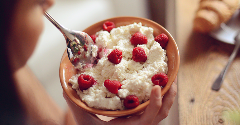
Cottage cheese alternative made from fermented apricot kernels
1 Oct 2026
Revo Foods ferments leftover apricot kernels from jam and juice products into a cottage cheese alternative that naturally contains both protein and fat.
Read more
Turning plant potential into food solutions
1 Oct 2026
Today, plant-based and free-from ingredients must do more than replace. MartinoRossi combines nutrition, functionality, and processing performance to address new formulation challenges.
Read more
Hügli Food Industry: Innovations at Fi Europe 2026
1 Oct 2026
Taste 90 years of culinary mastery at Fi Europe (Booth 41G44), where Hügli will feature chilled Bresc Umami compounds alongside Sauce Culture, its newest snack seasoning concept.
Read more
Reinventing soda: Zero sugar, functional benefits, and new indulgence
30 Sep 2026
Zero-sugar, functional, and indulgent sodas are redefining what a carbonated soft drink can offer in today’s evolving market.
Read more
Is creatine going mainstream in food and drink formulation?
24 Sep 2026
The functional ingredient creatine is gaining traction in the food and drink industry, as brands ramp up production investment and explore new applications.
Read more.jpg)
Nactarome: New possibilities in natural innovation
24 Sep 2026
As food innovation becomes increasingly multi-dimensional, Nactarome's expanding expertise reflects a growing industry focus on integrated natural ingredient solutions.
Read more
New GRAS rules offer consumers confidence but companies are concerned
22 Sep 2026
Public health campaigners are celebrating the US government’s move to close the Generally Recognised as Safe (GRAS) loophole, but companies worry it will stifle innovation.
Read more
Immunity, wellness, and nutrition: Nutraceutical promise in the Middle East and Africa
17 Sep 2026
Nutraceuticals continue to gain ground across the Middle East and Africa with vitamins, probiotics, and functional drinks doing particularly well, says Euromonitor.
Read more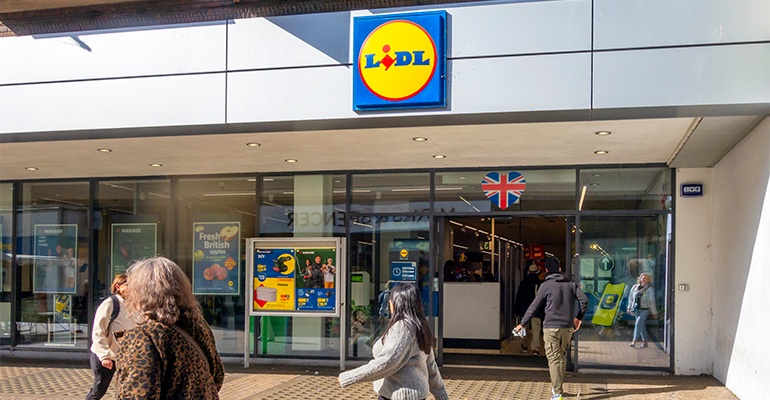
Lidl says Britain 'significantly off track' with healthy and sustainable eating
15 Sep 2026
Discounter retailer Lidl has raised concerns about healthy and sustainable eating habits across Britain, spotlighting how affordability remains a barrier for consumers.
Read more
Do the US dietary guidelines put UPFs under pressure?
10 Sep 2026
Will the US dietary guidelines change the way Americans eat, swapping ultra-processed foods for whole foods? We asked Dr Barry Popkin, renowned nutrition and obesity researcher.
Read more