
Ingredients Categories
Finished Products
Finished Food Categories
- Bakery
- Beverages / Juices
- Cereal and grain products
- Confectionery
- Cooking Fats & Oils
- Dairy
- Egg products
- Fruits & Vegetables
- Infant & Baby food
- Meat, Poultry & Fish
- Nuts & Seeds products
- Other Finished Food Categories
- Pet Food
- Plant-based foods
- Prepared foods
- Sauces & Seasonings
- Sweet & Savoury Spreads
Specialised Finished Products
- Bee products
- Biotic products
- Dietary supplements
- Energy drinks
- Functional beverages
- Functional confectionery
- Functional food
- Functional powders
- Meal replacement products
- Nutricosmetics
- Other Specialised Finished Products
- Pet Dietary Supplements
- Pharma and OTC products
- Protein products
- Sugar replacers / Sweeteners
Health & Wellness Areas
Delivery Formats
Operations & Services
- 3D printing
- Analysis/ Testing
- Auditing & certifications
- Blending & mixing
- Bottling
- Certification
- Clinical trials
- Co-packing
- Coating
- Consulting
- Contract manufacturing
- Drying
- Electrospinning
- Encapsulating
- Enzymatic processing
- Extracting
- Extrusion
- Fat structuring
- Fermentation
- Filling
- Flavour development
- Freeze drying
- Granulating/ grinding/ milling / mixing
- High-pressure processing
- Labelling
- Other Operations & Services
- Packaging
- Packet filling
- Pasturising
- Quality assurance
- Saccharification
- Shear cell processing
- Spray drying
- Sterilisation
- Storage & Logistics
- Tabletting
- Toasting / roasting
- Ultra-high temperature processing
News
The eight global food trends shaping the future of dining
Tessa Wiles, Content Editor - Food 23 Apr 2024Unilever’s Future Menu Trend 2024 report identifies the global food trends shaping the food service industry, providing insights into changing consumer preferences that could provide inspiration for packaged food and drink brands.
Amidst rising ingredient costs and labour shortages, chefs across the world are faced with a multitude of challenges. According to Kees van Erp, global executive chef at Unilever Food Solutions (UFS), menus are constantly evolving to keep up with diners' preferences, and this can be a challenge.
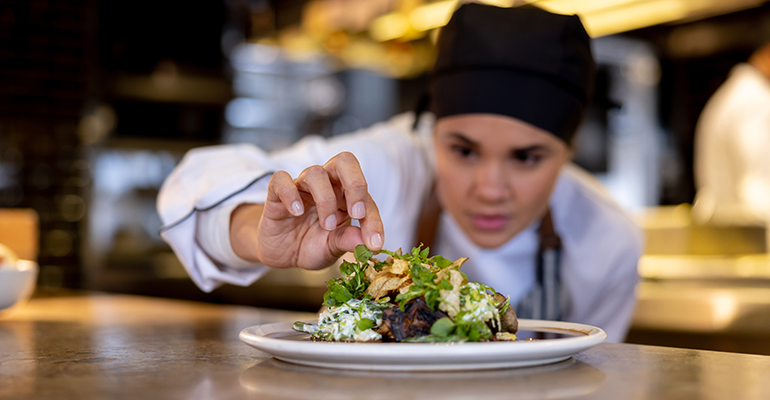
UFS’s Future Menu Trend 2024 report aims to help chefs navigate this rapidly changing culinary landscape by offering practical insights and recipes to stay on top of trends and to give diners the food and experiences they desire.
The report, which identifies eight global trends shaping the food industry in 2024, is based on research and input from 250 in-house chefs and feedback from over 1,600 food service professionals across 21 markets.
Future menu trends for 2024
The eight global trends identified reflect evolving diner preferences, economic challenges, and sustainability concerns. Each trend includes recipes from the in-house chefs that encapsulate the theme and offers opportunities for those in the food service industry to innovate and adapt their menus to meet diners' demands.
Flavour shock is all about Gen-Z’s desire for unique culinary experiences. According to UFS’s insights, this generation embraces unexpected flavour combinations and culinary experimentation. Techniques like smoking, pickling, and fermenting are recommended to help chefs create surprising flavour combinations efficiently.
Plant-powered protein is also about new culinary experiences, while addressing the growing demand for plant-based dishes that appeal to both vegetarians and non-vegetarians.
Flavoursome and healthy dishes, without being overly indulgent, are in. Nutritionist Sana Minhas suggests four healthy and mindful ingredients: beans and pulses; whole grains; leafy greens; and nuts and seeds.
Local abundance caters to diners willing to pay more for sustainable, locally produced dishes while celebrating locally sourced ingredients.
Low-waste menus are about sustainably maximising resources. With almost half of Gen-Z people considering sustainability as a crucial factor in purchase decisions, there is a rising demand for 'low-waste menus’.
As the cost of produce continues to rise, there is an increasing push for chefs to reduce food waste in kitchens. Using every edible part of an ingredient is important, in-house chef Brandon Collins explained. “Cores of cauliflower, broccoli stems, mundane things that we often throw out can be turned into soups. Or perhaps take those stems and slice and pickle them,” he said.
Irresistible vegetables focuses on creating vibrant, innovative, and appealing vegetable-based dishes. Cabbage, for example, with its ability to be fermented and offer probiotics to support a healthy gut, is experiencing a revival. Packed with fibre, folate, magnesium, potassium, and vitamins A, C, and K, the vegetable also has a low price point and long shelf life, making it a versatile and cost-efficient option.
Modernised comfort food offers nostalgia to diners, but with a contemporary twist; familiar yet innovative. In-house chef, Sherif Afifi’s lamb shank fatteh recipe, incorporates classic elements of a lamb shank pie but replaces some of the starchy elements with ingredients like spinach and freekeh.
Feel-good food explores wholesome dining, holistic well-being, and chefs' role in promoting better eating habits, while meeting demand for healthier dining options. In-house chef Sam Kass offers five tips for balancing health and flavour in cooking: understanding the relationship between nutrition and wellbeing; getting into local sourcing and sustainability; embracing innovations in food production; emphasising plant-based ingredients; and exploring the world of mushrooms.
The new sharing encourages communal dining experiences, providing opportunities for guests to bond over food. In-house chef, Eric Chua, discussed a multi-sensory dining experience, powered by AI. Using augmented or virtual reality, restaurants can create unique experiences where diners can interact with digital elements in their surroundings.
Supporting chefs to create on-trend dishes
UFS specialises in products and services for the professional kitchen, and is a division of Unilever, one of the largest global consumer goods companies.
The report is a strategic tool for UFS to engage with the food service industry. It enables UFS to understand market trends, chef needs, and industry challenges, which in turn allows it to tailor its product offerings accordingly. Driven by the ‘flavour shock’ trend, which witnessed a surge in demand for cooking aids, Knorr, a Unilever food brand specialising in cooking aids, experienced a 15% growth in sales for bouillons and seasonings in 2023.
UFS aims to drive growth for its brands by strengthening its relationship with chefs and food service professionals by providing recipe inspiration, insights, and practical tips. “UFS is a business of chefs for chefs,” says Star Chen, CEO at UFS. “Our close communication with food service professionals allows us to have an in-depth understanding of their needs and pain points, which consequently allows us to offer unmissable, superior products that help address those needs,” he adds.

Get more of our news on Google
Set Ingredients Network as a 'Preferred Source' to get quicker access to the news you value.
Related news

M&S launches own-brand pet food range
11 Sep 2026
UK retailer Marks & Spencer has launched its own-brand pet food line Paws & Pals – a well-timed and strategic move that will appeal to loyal shoppers, says a marketing expert.
Read more
Do the US dietary guidelines put UPFs under pressure?
10 Sep 2026
Will the US dietary guidelines change the way Americans eat, swapping ultra-processed foods for whole foods? We asked Dr Barry Popkin, renowned nutrition and obesity researcher.
Read more
Food fraud costs UK economy £2bn each year
9 Sep 2026
Food fraud is costing the UK economy up to £2 billion (€2.3 billion) every year although the food sector is more “resilient” than others, according to a recent study.
Read more
Health and wellness engagement matures across Middle East and Africa
4 Sep 2026
Many consumers in the Middle East and Africa are now proactively engaged in health and wellness, looking to integrate better habits and products into their daily lives, say experts.
Read more
Kellogg accelerates work to remove artificial colours from all US cereals
3 Sep 2026
WK Kellogg has announced an accelerated timeline to eliminate all artificial colours and the chemical preservative, BHT, across its full US portfolio of cereals and cereal packaging.
Read more
Skimpflation: An ‘unfair’ and risky approach to keeping prices low
2 Sep 2026
Consumers see skimpflation – reducing the quality of ingredients due to rising costs – as more unfair than shrinkflation, making it a risky strategy according to recent research.
Read more
Royal Canin launches ‘freshly-cooked’ therapeutic dog food
1 Sep 2026
Mars-owned Royal Canin has moved into the therapeutic diet sector with the launch of its Fresh Veterinary Diets range for dogs with health conditions. We asked a veterinary nutritionist for her opinion.
Read more
NielsenIQ’s EU barometer shows Britain leading in grocery inflation
31 Aug 2026
Britain was the only country to record grocery inflation above 2%, according to NielsenIQ data that compared Europe’s five biggest grocery markets from February to May 2026.
Read more
‘Urgent gaps’ in achieving 2030 food system goals
27 Aug 2026
Global food systems are failing to meet 2030 targets across indicators including health, environment, and resilience, according to a report co-authored by the Food and Agriculture Organisation (FAO).
Read more
Seven-Eleven uses microbial testing tech to extend katsudon shelf life
26 Aug 2026
Japanese retail company Seven-Eleven has improved its factory’s microbial environment to keep comfort-food staple, katsudon, fresher for longer.
Read more