
Ingredients Categories
Finished Products
Finished Food Categories
- Bakery
- Beverages / Juices
- Cereal and grain products
- Confectionery
- Cooking Fats & Oils
- Dairy
- Egg products
- Fruits & Vegetables
- Infant & Baby food
- Meat, Poultry & Fish
- Nuts & Seeds products
- Other Finished Food Categories
- Pet Food
- Plant-based foods
- Prepared foods
- Sauces & Seasonings
- Sweet & Savoury Spreads
Specialised Finished Products
- Bee products
- Biotic products
- Dietary supplements
- Energy drinks
- Functional beverages
- Functional confectionery
- Functional food
- Functional powders
- Meal replacement products
- Nutricosmetics
- Other Specialised Finished Products
- Pet Dietary Supplements
- Pharma and OTC products
- Protein products
- Sugar replacers / Sweeteners
Health & Wellness Areas
Delivery Formats
Operations & Services
- 3D printing
- Analysis/ Testing
- Auditing & certifications
- Blending & mixing
- Bottling
- Certification
- Clinical trials
- Co-packing
- Coating
- Consulting
- Contract manufacturing
- Drying
- Electrospinning
- Encapsulating
- Enzymatic processing
- Extracting
- Extrusion
- Fat structuring
- Fermentation
- Filling
- Flavour development
- Freeze drying
- Granulating/ grinding/ milling / mixing
- High-pressure processing
- Labelling
- Other Operations & Services
- Packaging
- Packet filling
- Pasturising
- Quality assurance
- Saccharification
- Shear cell processing
- Spray drying
- Sterilisation
- Storage & Logistics
- Tabletting
- Toasting / roasting
- Ultra-high temperature processing
News
The UK could become world’s next sustainable protein powerhouse, new research suggests
Lucy Whittaker, Food Content Editor 5 Sep 2023
The UK is well-placed to become a world leader in sustainable protein production, yet regulators must act quickly and invest considerably to risk losing out, the findings of a new Good Food Institute (GFI) report suggest.
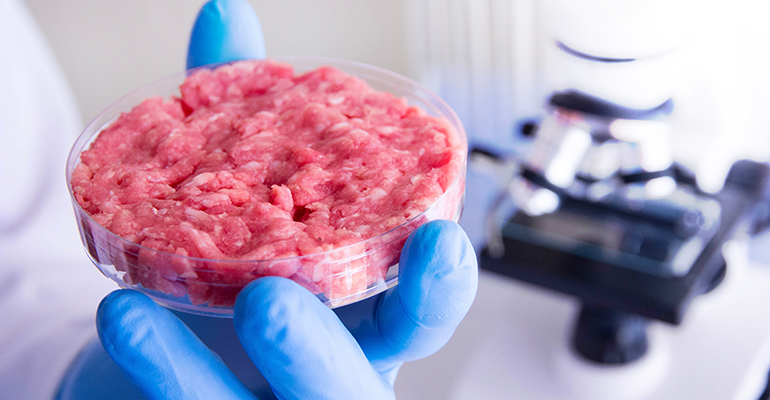
Producing and scaling up sustainable proteins such as cultivated and plant-based meat presents a huge growth opportunity for the UK food industry, the findings of a new report by international non-profit GFI Europe show. Outlining a transformative vision for the domestic plant-based sector, the report urges UK policymakers to invest a total of £390 million (€456 million) in plant-based and cultivated meat technologies by 2030.
Collaboration between entrepreneurs, regulators, scientists, and food manufacturers around sustainable proteins can unlock wide-reaching financial and environmental benefits for the country, the report suggests.
This opportunity is particularly significant given the mounting sustainability and geopolitical challenges faced by the animal-based protein market. However, action must be taken quickly to avoid losing out to competing countries, the report says.
UK seeks to fulfil the demand for sustainable proteins
The UK has a critical role to play in shaping how protein is produced, conceptualised, and consumed, according to the GFI. The call-to-action comes as the sustainability, accessibility, and affordability of conventional animal protein is of increasing concern to consumers and industry alike.
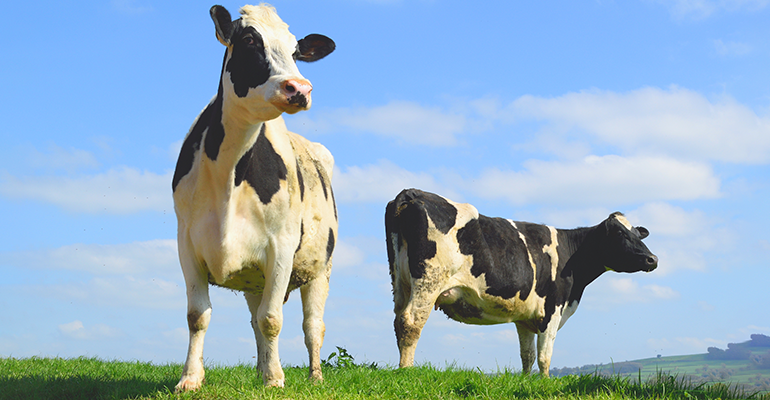
The rising demand for animal-based protein is highly unsustainable. Animal agriculture currently accounts for 60% of the planet’s ice-free land and almost 15% of all global greenhouse gas emissions, data from the Food and Agriculture Organization (FAO) shows. At the same time, a staggering 65% of consumers worldwide are actively looking to increase their protein intake in the years ahead, according to FMCG Gurus.
To address this rising demand, the cultivated meat sector in the UK has grown significantly in recent years. Last year, the 23 British companies that are active in the sector attracted more investment than the rest of Europe combined.
“The UK is home to dynamic food producers, world-leading scientists and a strong plant-based market – all the tools needed to build a globally competitive sustainable protein industry capable of reducing emissions, creating green jobs and making the country less reliant on imports,” Linus Pardoe, UK policy manager at GFI Europe said.
Unlocking economic and environmental gains
The GFI report follows analysis recently published by London-based think tank Green Alliance, revealing that by 2035 the sustainable protein industry in the UK could create a quarter of a million jobs and reach a value of £6.8 billion (€7.95 billion).
Investing £78 million (€91 million) annually from 2025 to 2030 in research in foods such as plant-based and cultivated-meat could help the British government to create sustainable jobs and boost domestic food security, the research suggests. This call-to-action aligns with the UK’s mission to become a science superpower by 2030.
Beyond economic gains, developing the UK’s sustainable protein sector could also offer significant environmental benefits, the findings show. According to one study, replacing conventional meat with plant-based alternatives has the potential to reduce climate emissions by up to 92%. Investing in plant-based technologies could support the food and beverage industry in reaching global climate targets and mitigating carbon emissions.
 © AdobeStock/xyz+
Investment in cultivated meat leapfrogs plant-based alternatives
The past decade saw the UK’s main research funding agency UK Research and Innovation invest around £43 million in R&D targeting the plant-based, fermentation and cultivated meat, seafood, eggs, and dairy sectors. Most of this (65%) was allocated since the start of 2022.
Yet, current public funding in the alternative protein sector disproportionately favours cultivated meat research, while plant-based alternatives and precision fermentation have been neglected, the report says. Despite being Europe’s second largest market for plant-based products, the UK allocated £15 (€17.5 million) million to plant-based R&D in the past decade, compared to £17.2 million (€20 million) in cultivated meat in 2022 alone.
While the cultivated meat sector has made significant strides, the report reveals that on a global stage, precision fermentation remains underdeveloped in the UK, despite its potential for creating sustainable proteins, economic growth, and employment opportunities.
Act fast or risk losing out, GFI says
As well as committing £390 million to sustainable proteins by 2030, the report recommends that the government provide £30 million (€35 million) in funding to the Food Standards Agency (FSA) at the presentation of the 2023 mid-annual budget statement.
According to the GFI, the funding will help to build confidence in the sector and alleviate regulatory challenges, enabling the FSA to fulfil its additional post-Brexit responsibilities.
Failing to deliver on these recommendations could open the UK up to increased competition from countries with well-established plant-based protein ecosystems and could encourage startups to move overseas to avoid regulatory challenges, the report suggests.
“The government promised to keep the UK at the forefront of this growing sector in last year’s food strategy, but it must act now to deliver on that ambition, including investing £390 million in research and giving the Food Standards Agency the resources it urgently needs. Failing to act risks the UK missing out on economic and environmental benefits as other countries race ahead,” Pardoe said.

Get more of our news on Google
Set Ingredients Network as a 'Preferred Source' to get quicker access to the news you value.
Related news

Do the US dietary guidelines put UPFs under pressure?
10 Sep 2026
Will the US dietary guidelines change the way Americans eat, swapping ultra-processed foods for whole foods? We asked Dr Barry Popkin, renowned nutrition and obesity researcher.
Read more
Food fraud costs UK economy £2bn each year
9 Sep 2026
Food fraud is costing the UK economy up to £2 billion (€2.3 billion) every year although the food sector is more “resilient” than others, according to a recent study.
Read more
Kellogg accelerates work to remove artificial colours from all US cereals
3 Sep 2026
WK Kellogg has announced an accelerated timeline to eliminate all artificial colours and the chemical preservative, BHT, across its full US portfolio of cereals and cereal packaging.
Read more
Skimpflation: An ‘unfair’ and risky approach to keeping prices low
2 Sep 2026
Consumers see skimpflation – reducing the quality of ingredients due to rising costs – as more unfair than shrinkflation, making it a risky strategy according to recent research.
Read more
‘Urgent gaps’ in achieving 2030 food system goals
27 Aug 2026
Global food systems are failing to meet 2030 targets across indicators including health, environment, and resilience, according to a report co-authored by the Food and Agriculture Organisation (FAO).
Read more
Seven-Eleven uses microbial testing tech to extend katsudon shelf life
26 Aug 2026
Japanese retail company Seven-Eleven has improved its factory’s microbial environment to keep comfort-food staple, katsudon, fresher for longer.
Read more
Global demand for instant noodles continues to rise
24 Aug 2026
Global demand for instant noodles reached 124.21 billion servings last year, representing a 0.7% year-on-year increase – or 900 million extra servings.
Read more
Popular barbecue staples experience sharp price increases
19 Aug 2026
The typical cost of US shoppers’ barbecue baskets has risen by 12% over the past year – the fastest annual rise in a decade, figures from The Economist show.
Read more
Hot NPD: Nissin launches first cold-water Cup Noodles
18 Aug 2026
Nissin is taking one of Japan’s most iconic instant meals in a completely new direction with the launch of the first cold water-only Cup Noodles in the brand’s 55-year history.
Read more
Savoury protein snacks shake up the on-the-go market
10 Aug 2026
Sweet flavours have dominated the high-protein snack category but savoury snacks, such as cheese bars and meat sticks, can appeal to health-conscious consumers.
Read more