
Ingredients Categories
Finished Products
Finished Food Categories
- Bakery
- Beverages / Juices
- Cereal and grain products
- Confectionery
- Cooking Fats & Oils
- Dairy
- Egg products
- Fruits & Vegetables
- Infant & Baby food
- Meat, Poultry & Fish
- Nuts & Seeds products
- Other Finished Food Categories
- Pet Food
- Plant-based foods
- Prepared foods
- Sauces & Seasonings
- Sweet & Savoury Spreads
Specialised Finished Products
- Bee products
- Biotic products
- Dietary supplements
- Energy drinks
- Functional beverages
- Functional confectionery
- Functional food
- Functional powders
- Meal replacement products
- Nutricosmetics
- Other Specialised Finished Products
- Pet Dietary Supplements
- Pharma and OTC products
- Protein products
- Sugar replacers / Sweeteners
Health & Wellness Areas
Delivery Formats
Operations & Services
- 3D printing
- Analysis/ Testing
- Auditing & certifications
- Blending & mixing
- Bottling
- Certification
- Clinical trials
- Co-packing
- Coating
- Consulting
- Contract manufacturing
- Drying
- Electrospinning
- Encapsulating
- Enzymatic processing
- Extracting
- Extrusion
- Fat structuring
- Fermentation
- Filling
- Flavour development
- Freeze drying
- Granulating/ grinding/ milling / mixing
- High-pressure processing
- Labelling
- Other Operations & Services
- Packaging
- Packet filling
- Pasturising
- Quality assurance
- Saccharification
- Shear cell processing
- Spray drying
- Sterilisation
- Storage & Logistics
- Tabletting
- Toasting / roasting
- Ultra-high temperature processing
News
TikTok Shop offers new retail opportunities for beauty supplement brands
Simon Pitman, Freelance Journalist 25 Sep 2024TikTok Shop is offering significant opportunities for beauty supplement brands, as the new digital retail channel takes off in a big way for younger consumers.
Beauty and personal care has long been one of the preferred subject matters for the social media platform, and with the launch of the TikTok Shop at the end of last year, sales of beauty and personal care products have dominated from the offset.
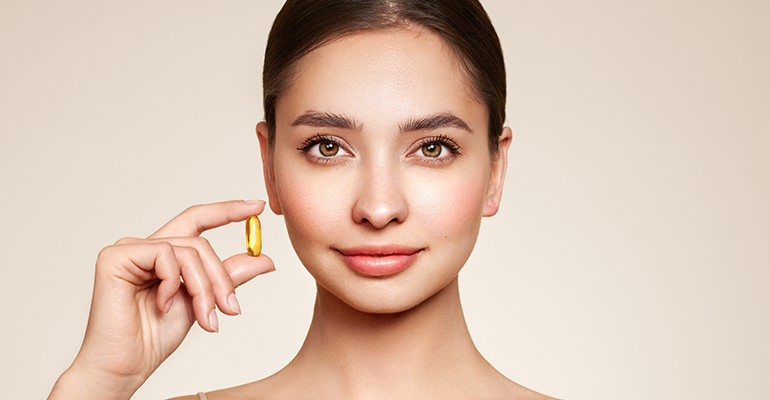
Ingredients Network spoke to Daniela Ciocan, founder of Access Beauty Insiders, which provides marketing support for emerging beauty companies and brands, many of whom are making TikTok Shop one of their primary retail channels.
An ideal platform for an impulse-driven category
Because TikTok has cultivated a younger and highly engaged audience, Ciocan believes the social media platform can offer something a little different compared to other digital retail channels and, because of its expansive beauty and personal care content, the consumer base was ready to be tapped into.
“TikTok's user base skews younger, and beauty supplement manufacturers are capitalising on this by creating engaging content that appeals to a younger, more health-conscious demographic. They often use humour, relatable stories, and catchy music to grab the attention of younger consumers,” said Ciocan.
“Beauty has proven successful on TikTok Shop as, overall, it's a very impulse driven category and it's driven by user generated content that drives awareness and raises curiosity with the community, while generally keeping the price point more amenable.”
TikTok beauty trends: Biotin, collagen and probiotics
Recent research by McKinsey & Company underlines that both Millennials and Gen Z consumers are very concerned about wellness and health in general, which is something that also ties in with an emphasis on appearance. Many of these consumers believe that a more holistic approach to their wellbeing will result in an improved and healthier appearance, something that is translating into enthusiasm for beauty supplements.
While TikTok trends can be short lived, some of the more enduring that pertain to beauty supplements have included content about biotin, collagen and pre/probiotics – trends that are translating into interest in brands featured on TikTok Shop.
“With the more holistic approach to better skin, hair, and nails in mind, collagen supplements are resonating with TikTok users who often share before-and-after videos showcasing visible improvements, making the benefits seem tangible and appealing,” said Ciocan.
“Probiotics and gut health supplements are proving to be equally important. TikTok content often educates users on the link between gut health and beauty, promoting a more holistic understanding of skincare. ‘Glow boosting supplements are also resonating. This is born out of the desire for a healthy, glowing complexion, which is a common beauty goal, and TikTok users are drawn to supplements promising visible results.”
The best strategy to target TikTok beauty supplement consumers
Consumers want to see evidence that the beauty products they are buying really are going to work, something TikTok is well positioned to support as a video content platform.
“Lots of user generated content is focused on 'before and after' as well as first impressions. This offers a window into visible changes that might occur shortly after starting the supplements. It also puts an emphasis on the convenience of a single supplement that can address multiple beauty concerns – something that can prove appealing to busy TikTok users seeking quick solutions,” Ciocan said.
Looking to the future of TikTok Shop, Ciocan believes it will be well positioned to capitalise on several key trends that look set to transform the way beauty consumers use products.
“The future will be about personalisation and will be driven by AI technology. Platforms like TikTok can use AI to leverage user data that includes skin type, specific concerns, and lifestyle habits, and then provide tailored beauty supplement recommendations. Another development will be the integration of livestream shopping with experts. This means brands can host live events featuring experts discussing specific supplements and answering user questions in real time, ultimately helping to foster trust and community,” Ciocan said.

Get more of our news on Google
Set Ingredients Network as a 'Preferred Source' to get quicker access to the news you value.
Related news

M&S launches own-brand pet food range
11 Sep 2026
UK retailer Marks & Spencer has launched its own-brand pet food line Paws & Pals – a well-timed and strategic move that will appeal to loyal shoppers, says a marketing expert.
Read more
Do the US dietary guidelines put UPFs under pressure?
10 Sep 2026
Will the US dietary guidelines change the way Americans eat, swapping ultra-processed foods for whole foods? We asked Dr Barry Popkin, renowned nutrition and obesity researcher.
Read more
Food fraud costs UK economy £2bn each year
9 Sep 2026
Food fraud is costing the UK economy up to £2 billion (€2.3 billion) every year although the food sector is more “resilient” than others, according to a recent study.
Read more
Health and wellness engagement matures across Middle East and Africa
4 Sep 2026
Many consumers in the Middle East and Africa are now proactively engaged in health and wellness, looking to integrate better habits and products into their daily lives, say experts.
Read more
Kellogg accelerates work to remove artificial colours from all US cereals
3 Sep 2026
WK Kellogg has announced an accelerated timeline to eliminate all artificial colours and the chemical preservative, BHT, across its full US portfolio of cereals and cereal packaging.
Read more
Skimpflation: An ‘unfair’ and risky approach to keeping prices low
2 Sep 2026
Consumers see skimpflation – reducing the quality of ingredients due to rising costs – as more unfair than shrinkflation, making it a risky strategy according to recent research.
Read more
Royal Canin launches ‘freshly-cooked’ therapeutic dog food
1 Sep 2026
Mars-owned Royal Canin has moved into the therapeutic diet sector with the launch of its Fresh Veterinary Diets range for dogs with health conditions. We asked a veterinary nutritionist for her opinion.
Read more
NielsenIQ’s EU barometer shows Britain leading in grocery inflation
31 Aug 2026
Britain was the only country to record grocery inflation above 2%, according to NielsenIQ data that compared Europe’s five biggest grocery markets from February to May 2026.
Read more
‘Urgent gaps’ in achieving 2030 food system goals
27 Aug 2026
Global food systems are failing to meet 2030 targets across indicators including health, environment, and resilience, according to a report co-authored by the Food and Agriculture Organisation (FAO).
Read more
Seven-Eleven uses microbial testing tech to extend katsudon shelf life
26 Aug 2026
Japanese retail company Seven-Eleven has improved its factory’s microbial environment to keep comfort-food staple, katsudon, fresher for longer.
Read more