
Ingredients Categories
Finished Products
Finished Food Categories
- Bakery
- Beverages / Juices
- Cereal and grain products
- Confectionery
- Cooking Fats & Oils
- Dairy
- Egg products
- Fruits & Vegetables
- Infant & Baby food
- Meat, Poultry & Fish
- Nuts & Seeds products
- Other Finished Food Categories
- Pet Food
- Plant-based foods
- Prepared foods
- Sauces & Seasonings
- Sweet & Savoury Spreads
Specialised Finished Products
- Bee products
- Biotic products
- Dietary supplements
- Energy drinks
- Functional beverages
- Functional confectionery
- Functional food
- Functional powders
- Meal replacement products
- Nutricosmetics
- Other Specialised Finished Products
- Pet Dietary Supplements
- Pharma and OTC products
- Protein products
- Sugar replacers / Sweeteners
Health & Wellness Areas
Delivery Formats
Operations & Services
- 3D printing
- Analysis/ Testing
- Auditing & certifications
- Blending & mixing
- Bottling
- Certification
- Clinical trials
- Co-packing
- Coating
- Consulting
- Contract manufacturing
- Drying
- Electrospinning
- Encapsulating
- Enzymatic processing
- Extracting
- Extrusion
- Fat structuring
- Fermentation
- Filling
- Flavour development
- Freeze drying
- Granulating/ grinding/ milling / mixing
- High-pressure processing
- Labelling
- Other Operations & Services
- Packaging
- Packet filling
- Pasturising
- Quality assurance
- Saccharification
- Shear cell processing
- Spray drying
- Sterilisation
- Storage & Logistics
- Tabletting
- Toasting / roasting
- Ultra-high temperature processing
News
Ultra-processed foods as addictive as alcohol, studies suggest
Lucy Whittaker, Food Content Editor 2 Nov 2023
Biscuits, crisps, ice cream, and many other ultra-processed foods (UPFs) may be as addictive as cigarettes and alcohol, research shows.
UPFs – foods and beverages that, as the name suggests, have undergone extensive processing – are on the rise globally. Across Europe, UPFs account for over a quarter (27%) of the average daily calorie intake, rising to more than half in the UK, US, and Canada.

Research published in The BMJ that analysed 281 studies in 36 countries, by scientists from the US, Spain, and Brazil, found that around one in seven (14%) adults and one in eight (12%) children are addicted to UPFs.
In comparison, levels of addiction in adults for alcohol and tobacco stood at 14% and 18% respectively. The researchers described the rate of addiction in children (12%) as “unprecedented”.
UPF delivery rate linked with addiction
The study suggests that UPFs, which contain high levels of refined carbohydrates and added fats, can have a “supra-additive effect” on brain reward systems and could therefore be regarded as addictive substances.
Compared to whole foods, UPFs deliver carbohydrates and fats to the gut at a much faster rate. In the same way that faster-acting routes of administration increase the addictive potential of drugs such as cocaine and nicotine, the delivery rate of UPFs positively correlates with addiction, the study found.
The prevalence of food addiction, measured by the Yale Food Addiction Scale (YFAS), resembles addiction levels seen for substances such as alcohol (14%) and tobacco (18%) in adults.
Created in 2009 to measure food addiction, the YFAS is based on the standard diagnostic criteria for a range of addictive substances including nicotine, alcohol, cocaine, and heroin. The scale measures behaviours such as lack of control over consumption, continued use regardless of negative effects, excessive intake, and withdrawal. Food addiction is classified by the presence of two or more symptoms, as well as “significant impairment or distress”.
 © AdobeStock/anaumenko
Additives boost addictiveness of foods
Additives used commonly in UPFs to increase sweet and salty flavours may contribute significantly to their addictiveness, the study suggests. By enhancing flavour, mouthfeel, and texture, certain additives increase the palatability and appeal of food products, resulting in heightened cravings and consumption.
The study draws parallels with the use of additives in the tobacco industry to increase addiction to cigarettes. According to the study, artificial sweeteners in UPFs can intensify the rewarding effects of such products, similar to the role of menthol flavouring in increasing nicotine-evoked dopamine in cigarettes.
Additives themselves may not be addictive but they have the potential to reinforce the effects of calories in the gut, the research found.
While further in-depth research into the link between UPFs and addiction is required, the research confirms that humans consume foods high in refined carbohydrates and added fats in addictive patterns, resulting in negative health implications.
According to the researchers, refined carbohydrates or fats created “similar levels of extracellular dopamine in the brain striatum to those seen with addictive substances such as nicotine and alcohol”.
Regulation needed to protect public health
Aside from the link with addiction, high consumption of UPFs has been associated with more severe health issues and clinical complexities. Early studies show that these foods are often loaded with added sugars, unhealthy fats, and sodium, and lack the essential nutrients and minerals needed to sustain nutrition.
 © AdobeStock/Lazy_Bear
Regular consumption has been linked to an increase in the adult obesity rate, which currently stand at around 15% globally, data from the World Health Organization (WHO) shows. Each 10% increase in the consumption of UPFs is associated with a 12% greater risk of cancer, according to a study published in The BMJ.
However, UPF addiction lacks an official diagnosis. If, supported by scientific evidence, these foods were classed as addictive substances, policy approaches akin to those put in place to address alcohol or tobacco addiction could be developed.
Some countries have already taken steps to curtail the consumption of UPFs, such as Chile, which was the first country in the world to mandate “high-in” front-of-pack nutrition label requirements on energy-dense foods in 2014.

Get more of our news on Google
Set Ingredients Network as a 'Preferred Source' to get quicker access to the news you value.
Related news

Do the US dietary guidelines put UPFs under pressure?
10 Sep 2026
Will the US dietary guidelines change the way Americans eat, swapping ultra-processed foods for whole foods? We asked Dr Barry Popkin, renowned nutrition and obesity researcher.
Read more
Food fraud costs UK economy £2bn each year
9 Sep 2026
Food fraud is costing the UK economy up to £2 billion (€2.3 billion) every year although the food sector is more “resilient” than others, according to a recent study.
Read more
Health and wellness engagement matures across Middle East and Africa
4 Sep 2026
Many consumers in the Middle East and Africa are now proactively engaged in health and wellness, looking to integrate better habits and products into their daily lives, say experts.
Read more
Kellogg accelerates work to remove artificial colours from all US cereals
3 Sep 2026
WK Kellogg has announced an accelerated timeline to eliminate all artificial colours and the chemical preservative, BHT, across its full US portfolio of cereals and cereal packaging.
Read more
Skimpflation: An ‘unfair’ and risky approach to keeping prices low
2 Sep 2026
Consumers see skimpflation – reducing the quality of ingredients due to rising costs – as more unfair than shrinkflation, making it a risky strategy according to recent research.
Read more
‘Urgent gaps’ in achieving 2030 food system goals
27 Aug 2026
Global food systems are failing to meet 2030 targets across indicators including health, environment, and resilience, according to a report co-authored by the Food and Agriculture Organisation (FAO).
Read more
Global demand for instant noodles continues to rise
24 Aug 2026
Global demand for instant noodles reached 124.21 billion servings last year, representing a 0.7% year-on-year increase – or 900 million extra servings.
Read more
Savoury protein snacks shake up the on-the-go market
10 Aug 2026
Sweet flavours have dominated the high-protein snack category but savoury snacks, such as cheese bars and meat sticks, can appeal to health-conscious consumers.
Read more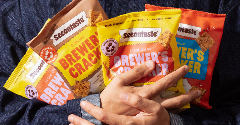
How Secon Taste is putting upcycled snacks on shelves
4 Aug 2026
Hungarian zero-waste startup Secon Taste is turning surplus food into upcycled snacks such as fibre-packed granola, instant porridge, and a circular coffee-tasting box.
Read more
EU sets maximum MOAH levels to protect human health
28 Jul 2026
The EU will adopt maximum levels for mineral oil aromatic hydrocarbons (MOAH) in food to protect human health. What do manufacturers need to know?
Read more