
Ingredients Categories
Finished Products
Finished Food Categories
- Bakery
- Beverages / Juices
- Cereal and grain products
- Confectionery
- Cooking Fats & Oils
- Dairy
- Egg products
- Fruits & Vegetables
- Infant & Baby food
- Meat, Poultry & Fish
- Nuts & Seeds products
- Other Finished Food Categories
- Pet Food
- Plant-based foods
- Prepared foods
- Sauces & Seasonings
- Sweet & Savoury Spreads
Specialised Finished Products
- Bee products
- Biotic products
- Dietary supplements
- Energy drinks
- Functional beverages
- Functional confectionery
- Functional food
- Functional powders
- Meal replacement products
- Nutricosmetics
- Other Specialised Finished Products
- Pet Dietary Supplements
- Pharma and OTC products
- Protein products
- Sugar replacers / Sweeteners
Health & Wellness Areas
Delivery Formats
Operations & Services
- 3D printing
- Analysis/ Testing
- Auditing & certifications
- Blending & mixing
- Bottling
- Certification
- Clinical trials
- Co-packing
- Coating
- Consulting
- Contract manufacturing
- Drying
- Electrospinning
- Encapsulating
- Enzymatic processing
- Extracting
- Extrusion
- Fat structuring
- Fermentation
- Filling
- Flavour development
- Freeze drying
- Granulating/ grinding/ milling / mixing
- High-pressure processing
- Labelling
- Other Operations & Services
- Packaging
- Packet filling
- Pasturising
- Quality assurance
- Saccharification
- Shear cell processing
- Spray drying
- Sterilisation
- Storage & Logistics
- Tabletting
- Toasting / roasting
- Ultra-high temperature processing
News
Unilever CEO calls for global treaty to tackle plastic pollution
Simon Pitman, Freelance Journalist 7 Feb 2024Following calls by Unilever CEO Hein Schumacher for industry to back a global treaty to tackle the problem of plastic pollution, we consider whether this initiative could make a real difference.
In a blog, which was posted to the Unilever website on 16 January, Schumacher stated that plastic pollution continues to be a growing problem worldwide. He referred to data from the Organisation for Economic Co-operation and Development (OECD) that shows plastic pollution more than doubled in the ten-year period 2009 – 2019, with only 9% of plastics ever being recycled.
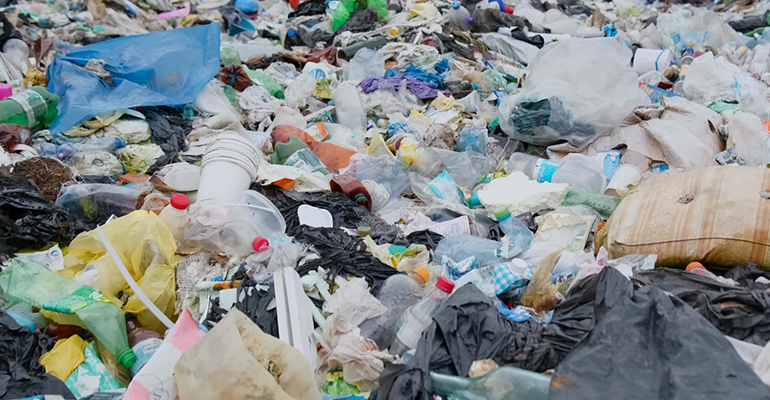
The OECD data suggests that the current level of pollution is likely to triple by 2060, with around half of this waste ending up in landfill – a problem that is likely to further exacerbate greenhouse gas emissions caused by plastics and making it impossible to fulfill goals aimed to curb the problem.
So why is the world still facing this issue when so many initiatives have been introduced to tackle the problem? Schumacher believes that the real reason why we are failing is because none of those initiatives have required any real commitment from industries and businesses.
The Paris Treaty for Plastic Pollution
With the crucial final sessions of the United Nations Environment Assembly (UNEA) being held in April and October of this year, what is being termed as the Paris Treaty for Plastic Pollution is in the offing. However, Schumacher believes that it can only be successfully implemented with a meaningful backing by businesses. This is why he is supporting the Business Coalition for a Global Plastics Treaty to ensure that commitment is set in stone.
“Voluntary initiatives are not enough – that is clear. More interventions are needed across the entire plastics value chain, both upstream production and downstream waste management,” Schumacher stated in the blog post. “Voluntary initiatives also distort the market, too often reducing the competitiveness of those taking action. We need stronger and harmonised regulations to get everyone on track to eliminate plastic waste and pollution.”
The packaging industry needs to offer more solutions
Amarjit Sahota, founder of natural and sustainable market intelligence provider to the food and cosmetic industries, Ecovia Intelligence, believes the treaty is a good idea and could make a significant difference. “In terms of sustainability, plastic waste is a major issue for the food and cosmetic industries. Consumers are looking to move away from single-use plastic packaging, however the packaging sector is offering relatively few alternatives to food and cosmetic companies,” he said.
The fact that the treaty is getting the backing of Unilever, one of the largest consumer packaged goods multinationals in the world, is in itself significant, lending it some much needed impetus.
Sahota believes that Unilever’s backing and the personal crusade by its CEO will make a significant difference, pointing out that the company has already been leading the way on a variety of issues that are helping to make the industry more eco-friendly.
The backing of business could be make or break
In 2022 the framework was laid down by the UNEA to create a workable plastic pollution treaty by 2024. As the assembly enters the final stages of the negotiations for the treaty, it could be that a firm commitment from industry will be make or break.
“Unilever is one of the world’s largest consumer goods companies, leading in the food and cosmetic industries,” said Sahota. “Unilever has spearheaded many sustainability initiatives in these industries. For instance, it has been instrumental in setting up the Marine Stewardship Council and the Roundtable on Sustainable Palm Oil. It is also highly active in reducing waste, undertaking ethical sourcing, and reducing its carbon emissions.”
Ultimately, Sahota believes that the goal should be to move away from the use of virgin plastics to more sustainable materials instead. This will also help to close the loop and achieve circular methods that are a more workable and realistic response to help tackle the problem of plastic pollution.
“Part of the solution is greater investment into plastic alternatives for packaging,” said Sahota. “This would improve the performance of these green materials and also help lower costs. The ultimate goal is to move to packaging that is biodegradable, compostable and / or recyclable. At present, the majority of plastic packaging is not recycled or re-used, and ends up in landfill or in water streams. Green packaging materials would help overcome this issue.”

Get more of our news on Google
Set Ingredients Network as a 'Preferred Source' to get quicker access to the news you value.
Related news

M&S launches own-brand pet food range
11 Sep 2026
UK retailer Marks & Spencer has launched its own-brand pet food line Paws & Pals – a well-timed and strategic move that will appeal to loyal shoppers, says a marketing expert.
Read more
Do the US dietary guidelines put UPFs under pressure?
10 Sep 2026
Will the US dietary guidelines change the way Americans eat, swapping ultra-processed foods for whole foods? We asked Dr Barry Popkin, renowned nutrition and obesity researcher.
Read more
Food fraud costs UK economy £2bn each year
9 Sep 2026
Food fraud is costing the UK economy up to £2 billion (€2.3 billion) every year although the food sector is more “resilient” than others, according to a recent study.
Read more
Kellogg accelerates work to remove artificial colours from all US cereals
3 Sep 2026
WK Kellogg has announced an accelerated timeline to eliminate all artificial colours and the chemical preservative, BHT, across its full US portfolio of cereals and cereal packaging.
Read more
Skimpflation: An ‘unfair’ and risky approach to keeping prices low
2 Sep 2026
Consumers see skimpflation – reducing the quality of ingredients due to rising costs – as more unfair than shrinkflation, making it a risky strategy according to recent research.
Read more
NielsenIQ’s EU barometer shows Britain leading in grocery inflation
31 Aug 2026
Britain was the only country to record grocery inflation above 2%, according to NielsenIQ data that compared Europe’s five biggest grocery markets from February to May 2026.
Read more
‘Urgent gaps’ in achieving 2030 food system goals
27 Aug 2026
Global food systems are failing to meet 2030 targets across indicators including health, environment, and resilience, according to a report co-authored by the Food and Agriculture Organisation (FAO).
Read more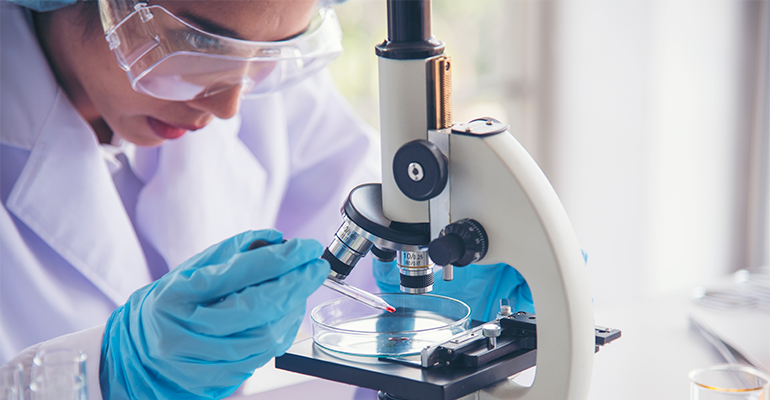
Seven-Eleven uses microbial testing tech to extend katsudon shelf life
26 Aug 2026
Japanese retail company Seven-Eleven has improved its factory’s microbial environment to keep comfort-food staple, katsudon, fresher for longer.
Read more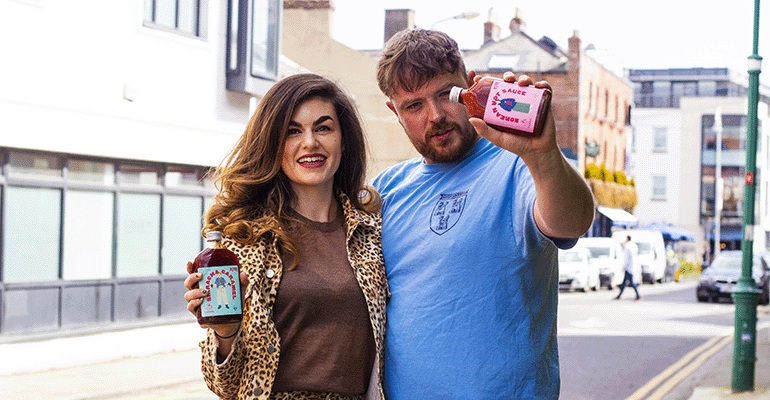
Chimac’s fusion sauces bring Korean flavours to Europe
25 Aug 2026
Irish sauce brand Chimac is tapping into Korea’s culinary traditions, bringing its flavours and products to European consumers who want a taste of K-food.
Read more
Global demand for instant noodles continues to rise
24 Aug 2026
Global demand for instant noodles reached 124.21 billion servings last year, representing a 0.7% year-on-year increase – or 900 million extra servings.
Read more