
Ingredients Categories
Finished Products
Finished Food Categories
- Bakery
- Beverages / Juices
- Cereal and grain products
- Confectionery
- Cooking Fats & Oils
- Dairy
- Egg products
- Fruits & Vegetables
- Infant & Baby food
- Meat, Poultry & Fish
- Nuts & Seeds products
- Other Finished Food Categories
- Pet Food
- Plant-based foods
- Prepared foods
- Sauces & Seasonings
- Sweet & Savoury Spreads
Specialised Finished Products
- Bee products
- Biotic products
- Dietary supplements
- Energy drinks
- Functional beverages
- Functional confectionery
- Functional food
- Functional powders
- Meal replacement products
- Nutricosmetics
- Other Specialised Finished Products
- Pet Dietary Supplements
- Pharma and OTC products
- Protein products
- Sugar replacers / Sweeteners
Health & Wellness Areas
Delivery Formats
Operations & Services
- 3D printing
- Analysis/ Testing
- Auditing & certifications
- Blending & mixing
- Bottling
- Certification
- Clinical trials
- Co-packing
- Coating
- Consulting
- Contract manufacturing
- Drying
- Electrospinning
- Encapsulating
- Enzymatic processing
- Extracting
- Extrusion
- Fat structuring
- Fermentation
- Filling
- Flavour development
- Freeze drying
- Granulating/ grinding/ milling / mixing
- High-pressure processing
- Labelling
- Other Operations & Services
- Packaging
- Packet filling
- Pasturising
- Quality assurance
- Saccharification
- Shear cell processing
- Spray drying
- Sterilisation
- Storage & Logistics
- Tabletting
- Toasting / roasting
- Ultra-high temperature processing
News
Upside Foods sues Florida over cultivated meat ban
Tessa Wiles, Content Editor - Food 10 Sep 2024In May, Florida became the first US state to ban cultivated meat's sale, manufacture, and distribution. Upside Foods, a cultivated chicken startup, has filed a federal lawsuit in response, arguing that the law is unconstitutional.
On 1 May, the Governor of Florida, Ron DeSantis, signed a state agriculture department bill, FL SB1084, intended to protect the state's cattle industry from what DeSantis described as resistance against external "authoritarian goals" allegedly imposed by global elites. Part of this bill included a ban on cultivated meat within the state. On 1 July, the law came into effect.
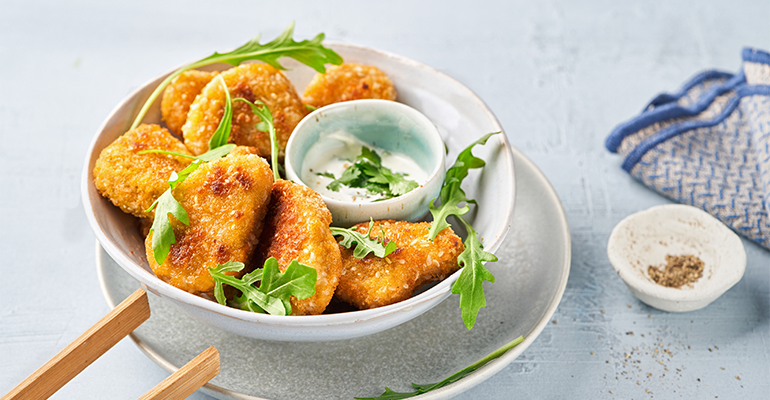
Joining Florida, Alabama became the second state to ban the sale of cultivated meat. Alabama’s law will come into effect from October.
Upside Foods and Institute for Justice argue the ban violates the US Constitution
In response to the bill, critics of the lawsuit, Upside Foods, and the Institute for Justice (IJ), a nonprofit public interest law firm, hit back with a federal lawsuit of their own.
Filed on 12 August in the US District Court for the Northern District of Florida, the lawsuit argues that the ban violates the US Constitution's prohibition on protectionist measures favouring in-state businesses over out-of-state competitors.
Paul Sherman, senior attorney at the IJ, said in a written statement: “If some Floridians don’t like the idea of eating cultivated chicken, there’s a simple solution: don’t eat it.
“The government has no right to tell consumers who want to try cultivated meat that they’re not allowed to. This law is not about safety; it’s about stifling innovation and protecting entrenched interests at the expense of consumer choice.”
Suranjan Sen, attorney at the IJ, explained that, just as California cannot ban orange juice made from oranges grown in Florida, Florida cannot ban Upside’s meat.
He added: “A major purpose for enacting the Constitution was to prevent exactly this kind of economic protectionism […]. Florida cannot ban products that are lawful to sell throughout the rest of the country simply to protect in-state businesses from honest competition.”
Florida’s agricultural commissioner responds, calling the lawsuit ‘ridiculous’
The lawsuit names agriculture commissioner Wilton Simpson, attorney general Ashley Moody, and state attorneys from four major Florida jurisdictions as defendants.
Speaking about the lawsuit to Florida’s Voice, Simpson said: “The lawsuit is ridiculous. Lab-grown ‘meat’ is not proven to be safe enough for consumers and it is being pushed by a liberal agenda to shut down farms.”
Simpson added that “Florida has the right to not be a corporate guinea pig” and referred to cultivated meat as a “Frankenmeat experiment” that should remain in California.
Precedent setting regardless of the outcome
Over a year ago, in June 2023, the US Department of Agriculture (USDA) gave the final green light to two cellular agriculture companies, Upside Foods and Good Meat, to sell their cell-cultivated chicken in the US.
Florida’s cultivated meat ban and the subsequent lawsuit could potentially set a precedent, regardless of the outcome – whether the ban is upheld or deemed unconstitutional.
If the ban is upheld, it may set a precedent for other states. Considering Alabama enacted a similar ban, there is a chance other states will follow suit, which would significantly impact the potential growth of cultivated meat across the nation.
On the other hand, Upside Foods and the IJ’s lawsuit could become a landmark case. A ruling against Florida’s ban might also prevent other states from enacting similar laws, and could potentially shape the future of cultivated meat regulation in the US
Upside Foods advocates for food choice
Alongside the lawsuit, Upside Foods has launched a public petition against the ban, in what it says is “fighting back”. The petition is titled: “Protect your right to choose what you eat. Tell politicians to stop policing your plate.”
The company also took to social media to engage with the public. Upside Foods posted a video via Instagram, with the caption: “Florida, you’ve been SERVED.”
The post promoted the idea that food choice should be a matter of consumer freedom rather than government regulation.
It read: “We’ve always thought it was clucked up that Florida’s politicians want to choose what you eat. We disagree. What you eat should be your choice – not something determined by special interests.
“Upside’s cultivated chicken has been deemed safe by the FDA and USDA. We should trust their judgement more than inexperienced and uninformed politicians.”

Get more of our news on Google
Set Ingredients Network as a 'Preferred Source' to get quicker access to the news you value.
Related news

Do the US dietary guidelines put UPFs under pressure?
10 Sep 2026
Will the US dietary guidelines change the way Americans eat, swapping ultra-processed foods for whole foods? We asked Dr Barry Popkin, renowned nutrition and obesity researcher.
Read more
Kellogg accelerates work to remove artificial colours from all US cereals
3 Sep 2026
WK Kellogg has announced an accelerated timeline to eliminate all artificial colours and the chemical preservative, BHT, across its full US portfolio of cereals and cereal packaging.
Read more
Skimpflation: An ‘unfair’ and risky approach to keeping prices low
2 Sep 2026
Consumers see skimpflation – reducing the quality of ingredients due to rising costs – as more unfair than shrinkflation, making it a risky strategy according to recent research.
Read more
‘Urgent gaps’ in achieving 2030 food system goals
27 Aug 2026
Global food systems are failing to meet 2030 targets across indicators including health, environment, and resilience, according to a report co-authored by the Food and Agriculture Organisation (FAO).
Read more
Seven-Eleven uses microbial testing tech to extend katsudon shelf life
26 Aug 2026
Japanese retail company Seven-Eleven has improved its factory’s microbial environment to keep comfort-food staple, katsudon, fresher for longer.
Read more
Chimac’s fusion sauces bring Korean flavours to Europe
25 Aug 2026
Irish sauce brand Chimac is tapping into Korea’s culinary traditions, bringing its flavours and products to European consumers who want a taste of K-food.
Read more
Global demand for instant noodles continues to rise
24 Aug 2026
Global demand for instant noodles reached 124.21 billion servings last year, representing a 0.7% year-on-year increase – or 900 million extra servings.
Read more
Popular barbecue staples experience sharp price increases
19 Aug 2026
The typical cost of US shoppers’ barbecue baskets has risen by 12% over the past year – the fastest annual rise in a decade, figures from The Economist show.
Read more
Hot NPD: Nissin launches first cold-water Cup Noodles
18 Aug 2026
Nissin is taking one of Japan’s most iconic instant meals in a completely new direction with the launch of the first cold water-only Cup Noodles in the brand’s 55-year history.
Read more
Beyond 'nice to have': A spotlight on US functional beverages
12 Aug 2026
Functional beverage interest in the US is gaining important ground as consumers now expect function rather than see it as "nice to have", and there are clear market gaps for growth, according to Spate.
Read more