
Ingredients Categories
Finished Products
Finished Food Categories
- Bakery
- Beverages / Juices
- Cereal and grain products
- Confectionery
- Cooking Fats & Oils
- Dairy
- Egg products
- Fruits & Vegetables
- Infant & Baby food
- Meat, Poultry & Fish
- Nuts & Seeds products
- Other Finished Food Categories
- Pet Food
- Plant-based foods
- Prepared foods
- Sauces & Seasonings
- Sweet & Savoury Spreads
Specialised Finished Products
- Bee products
- Biotic products
- Dietary supplements
- Energy drinks
- Functional beverages
- Functional confectionery
- Functional food
- Functional powders
- Meal replacement products
- Nutricosmetics
- Other Specialised Finished Products
- Pet Dietary Supplements
- Pharma and OTC products
- Protein products
- Sugar replacers / Sweeteners
Health & Wellness Areas
Delivery Formats
Operations & Services
- 3D printing
- Analysis/ Testing
- Auditing & certifications
- Blending & mixing
- Bottling
- Certification
- Clinical trials
- Co-packing
- Coating
- Consulting
- Contract manufacturing
- Drying
- Electrospinning
- Encapsulating
- Enzymatic processing
- Extracting
- Extrusion
- Fat structuring
- Fermentation
- Filling
- Flavour development
- Freeze drying
- Granulating/ grinding/ milling / mixing
- High-pressure processing
- Labelling
- Other Operations & Services
- Packaging
- Packet filling
- Pasturising
- Quality assurance
- Saccharification
- Shear cell processing
- Spray drying
- Sterilisation
- Storage & Logistics
- Tabletting
- Toasting / roasting
- Ultra-high temperature processing
News
US consumers want food products that are cheap, tasty, and healthy, survey shows
14 Jun 2023
From cost cutting to sustainability and health considerations: a recent survey by the International Food Information Council (IFIC) reveals the changing consumption habits of US consumers.
Cost remains a key driver of consumer demand in 2023, the results of a recent survey show. The study, involving over 1,000 US food and beverage consumers, follows months of record-high inflation fuelled by various socio-political factors including the war in Ukraine, extreme weather conditions, and fallout from the COVID-19 pandemic. The IFIC is a US-based non-profit organisation which conducts and communicates science-based research around sustainable food systems, focussing on safety and nutrition.
Consumers are trading down to cut costs
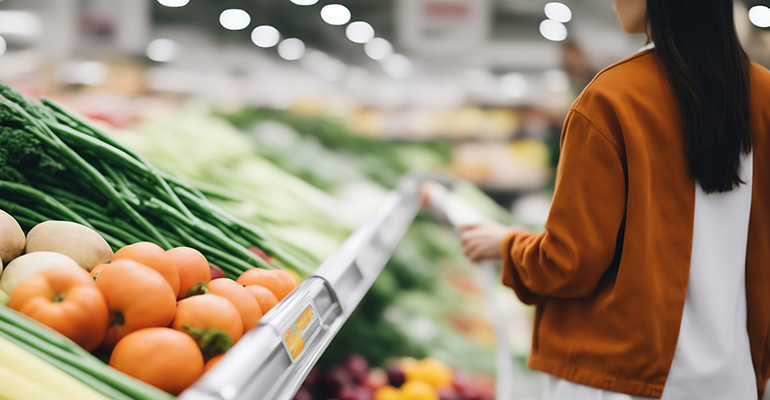
Consumers in the US are increasingly looking to cut costs at the supermarket, with close to eight in 10 (78%) survey respondents stating that price highly impacts their food and beverage purchases. This figure represents an eight-point increase from 2022, indicating a growing concern and demand for affordability, especially amongst female consumers and baby boomers (those aged from 59 to 68 years old).
Consumers across the board are feeling the inflationary pinch, with most respondents (91%) reporting to have experienced a surge in the overall cost of food products in the past year. To offset rising costs, almost half of those surveyed have opted for cheaper products or brands, chosen non-premium or own-brand alternatives, or have reduced their consumption of non-essential items.
Taste, price, and healthiness top the list of consumer considerations
While price is pivotal in influencing consumer demand, taste is still the primary driver for food and beverage purchases, rising in importance from 80% to 87% in 2023, the survey shows. Healthiness also ranks high among consumers, with over six in 10 (62%) considering it a key factor impacting food purchasing decisions. Yet while interest in the link between diet and health is growing, cost and taste continue to trump nutritional value for most.
 © AdobeStock/studio v-zwoelf
Despite more than half of consumers (56%) saying they would be willing to pay a premium for a snack labelled as healthy by the Food and Drug Administration (FDA), around a third (28%) reported choosing less healthy products as a result of recent price hikes.
Paying greater attention to health, more consumers are limiting sugars in attempt to improve their diet (45%), avoid weight gain (42%), and prevent health conditions (35%). Nevertheless, more than a third (36%) choose not to limit sugars because they like sweet tasting food and drinks.
Sustainability concerns gain ground amongst young and minority populations
Consumers are increasingly aware of the social and environmental impact of the products they consume. Close to half (46%) of shoppers believe it is important to know that the workers involved in producing food products are treated fairly and equitably, especially those consumers identifying as Black American.
 © AdobeStock/tigercat_lpg
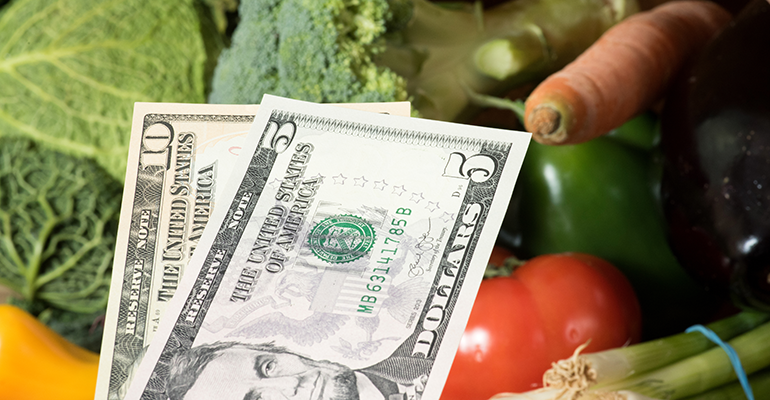
US shoppers rely on food labels and manufacturers' websites for information regarding fair and equitable treatment of workers, the survey revealed. Yet where cost is concerned, a higher majority of consumers (53%) would purchase a $3 product over more expensive ($5) yet more ethically sustainable alternative (47%). This 6-point margin, while shrinking significantly from the previous year (22 points), indicates that consumers are increasingly aware of the socio-political footprint of products, yet are unwilling to compromise on price.
Environmental sustainability and climate friendliness, still lag behind other factors in influencing purchasing decisions, with only 34% and 35% of respondents respectively deeming them highly impactful. Millennials show a greater inclination towards climate friendliness compared to other generations, with 46% expressing concern. For those who prioritise environmental sustainability, categories such as meat and poultry (62%), fresh fruit and vegetables (55%), and dairy (50%), as well as solutions including recyclable (43%) and reusable packaging (37%) are of particular interest.
Conversely, consumer awareness of and interest in environment-related sustainability labels on food and drink packaging is low, with only 12% of consumers reporting that they regularly purchase products labelled as having a small carbon footprint.

Get more of our news on Google
Set Ingredients Network as a 'Preferred Source' to get quicker access to the news you value.
Related news

Skimpflation: An ‘unfair’ and risky approach to keeping prices low
2 Sep 2026
Consumers see skimpflation – reducing the quality of ingredients due to rising costs – as more unfair than shrinkflation, making it a risky strategy according to recent research.
Read more
NielsenIQ’s EU barometer shows Britain leading in grocery inflation
31 Aug 2026
Britain was the only country to record grocery inflation above 2%, according to NielsenIQ data that compared Europe’s five biggest grocery markets from February to May 2026.
Read more
‘Urgent gaps’ in achieving 2030 food system goals
27 Aug 2026
Global food systems are failing to meet 2030 targets across indicators including health, environment, and resilience, according to a report co-authored by the Food and Agriculture Organisation (FAO).
Read more
China beverages: Is herbal innovation the future?
20 Aug 2026
Herbal and botanical innovation in China's drinks market continues to grow, with ingredients like astragalus root, ginger, and ginseng in the spotlight – and focus shifting far beyond refreshment.
Read more
Popular barbecue staples experience sharp price increases
19 Aug 2026
The typical cost of US shoppers’ barbecue baskets has risen by 12% over the past year – the fastest annual rise in a decade, figures from The Economist show.
Read more
Beyond 'nice to have': A spotlight on US functional beverages
12 Aug 2026
Functional beverage interest in the US is gaining important ground as consumers now expect function rather than see it as "nice to have", and there are clear market gaps for growth, according to Spate.
Read more
Manam Chocolate aims to bring premium Indian cacao to 'the world stage'
11 Aug 2026
Craft chocolate brand Manam Chocolate is investing in local expansion and supply chain innovation throughout India as it works to build out the premium reputation of its locally produced cacao products.
Read more
Digital twin technology gains ground in food manufacturing
6 Aug 2026
Food and beverage companies are increasingly turning to digital twins to optimise and automate manufacturing processes, but opportunities stretch far beyond this, say experts.
Read more
How Secon Taste is putting upcycled snacks on shelves
4 Aug 2026
Hungarian zero-waste startup Secon Taste is turning surplus food into upcycled snacks such as fibre-packed granola, instant porridge, and a circular coffee-tasting box.
Read more
Codex sets global thresholds for ‘may contain’ labels
3 Aug 2026
Codex Alimentarius has adopted its first global guidance on when to use “may contain” allergen warnings, setting thresholds intended to stop the label being used as blanket legal cover.
Read more