
Ingredients Categories
Finished Products
Finished Food Categories
- Bakery
- Beverages / Juices
- Cereal and grain products
- Confectionery
- Cooking Fats & Oils
- Dairy
- Egg products
- Fruits & Vegetables
- Infant & Baby food
- Meat, Poultry & Fish
- Nuts & Seeds products
- Other Finished Food Categories
- Pet Food
- Plant-based foods
- Prepared foods
- Sauces & Seasonings
- Sweet & Savoury Spreads
Specialised Finished Products
- Bee products
- Biotic products
- Dietary supplements
- Energy drinks
- Functional beverages
- Functional confectionery
- Functional food
- Functional powders
- Meal replacement products
- Nutricosmetics
- Other Specialised Finished Products
- Pet Dietary Supplements
- Pharma and OTC products
- Protein products
- Sugar replacers / Sweeteners
Health & Wellness Areas
Delivery Formats
Operations & Services
- 3D printing
- Analysis/ Testing
- Auditing & certifications
- Blending & mixing
- Bottling
- Certification
- Clinical trials
- Co-packing
- Coating
- Consulting
- Contract manufacturing
- Drying
- Electrospinning
- Encapsulating
- Enzymatic processing
- Extracting
- Extrusion
- Fat structuring
- Fermentation
- Filling
- Flavour development
- Freeze drying
- Granulating/ grinding/ milling / mixing
- High-pressure processing
- Labelling
- Other Operations & Services
- Packaging
- Packet filling
- Pasturising
- Quality assurance
- Saccharification
- Shear cell processing
- Spray drying
- Sterilisation
- Storage & Logistics
- Tabletting
- Toasting / roasting
- Ultra-high temperature processing
News
What crops will thrive in the UK by 2080?
Tessa Wiles, Content Editor - Food 18 Mar 2025By 2080, crops such as citrus fruits, chickpeas, and soybeans could become commonplace in the UK, while staples like wheat may struggle, scientists suggest.
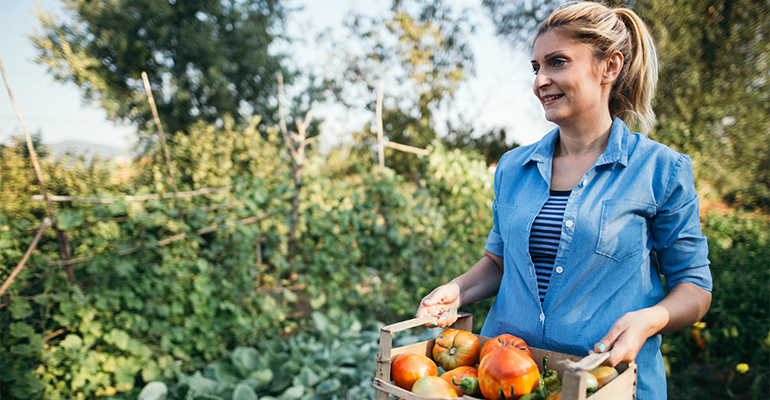
Climate change is threatening our current agricultural practices across the world. While this means that certain crops will struggle to grow as temperatures rise, it also opens opportunities for countries and farmers to adapt to the changing climate and shift how and what they grow.
Projections point to new crop opportunities for the UK – typically, those that grow in warmer parts of the world, such as such as oranges, chickpeas, and okra – as well as challenges to current staples, including strawberries and wheat.
Modelling the effects of temperature increases on the crops of tomorrow
The study, published in the Climate Resilience and Sustainability journal and led by the UK Centre for Ecology & Hydrology (UKCEH) in collaboration with the University of East Anglia (UEA), examined the impact of climate change on crop suitability in the UK by 2080.
The team modelled the effects of temperature increases – 2°C and 4°C – on 160 crops (both existing and new) to determine which would survive, which would thrive, and which would struggle.
While the study was focused on the UK, Dr John Redhead, lead author and spatial ecologist at UKCEH, told Ingredients Network that the same methodology can be applied elsewhere.
He said: “Indeed, other studies have done so, with researchers working together with farmers to combine models and farmer know-how to help build plans for adaptation to climate change.”
Which crops will thrive, and which will not survive?
The researchers point to certain areas becoming more suitable to grow crops, such as the South West and Scottish border, alongside certain crops benefiting from the milder, wetter winters and drier, hotter summers predicted for the UK.
These crop “winners”, which include sunflower, durum wheat, soybeans, cow peas, chickpeas, citrus fruit, wine grapes, and okra, are not typically grown in the UK.
The climate in areas such as South East and East Anglia, currently UK’s most suitable crop growing regions, are expected to become less suitable for growing crops. With a rise of 2°C, wheat and strawberries will suffer, while an increase of 4°C will impact major crops such as onions and oats.
Diversification: Adapting to the new normal integral for food security
The climate is predicted to change over the coming decades, concurrent with increasing demand for food based on population growth. For farming to become more resilient, one possible solution, according to Redhead, is growing new or different crops that are more suited to the changing conditions.
Globally, the food supply is reliant on a small number of largely produced crops. This lack of diversity means the system is vulnerable. Crop diversification is needed to counter this and mitigate the risks that come from weather and supply chain disruptions.
“Diversifying crops helps to ensure that a single climatic event is less likely to impact a high proportion of all crops grown, and that we can bring in crops that are more resilient to the changing climate of the UK,” Redhead said.
Redhead explained that diversification would have wider positive implications on people’s diets, biodiversity, soil health, and the health of the environment.
Legumes, for example, offer multiple benefits, besides growing easily in warmer climates. They are sources of protein, which could support a shift from animal to plant-based protein sources, and a lower carbon footprint. In addition, legumes are nitrogen-fixing, meaning they add nitrogen to the soil in which they grow, reducing reliance on fertilisers.
Practical barriers threaten widespread adoption
On the surface, the opportunities for these new crops appear promising, yet practical barriers are substantial.
Redhead explained that the feasibility to simply switch large-scale food production from the South East to Scotland is unlikely.
Regions outside of the South East and East Anglia have not been operating as agricultural hubs, and therefore also do not have large scale food processing or distribution networks in place, thus limiting the feasibility of large-scale crop production.
In addition, as these novel crops have not been grown or processed on a large scale, investments in new farming techniques and technology will be required, bringing high costs – and economical risks.
Meanwhile, introducing novel crops to new regions may have negative and unintended consequences on the environment, such as disruptions to local ecosystems and pollinators.
“However, climate change is happening now, and its impacts will increase by 2080, so whatever action is taken will involve big challenges in terms of where our food comes from and the way our agricultural landscapes are managed,” Redhead said.
How can the food industry support this shift?
Farmers will be at the forefront of this shift and will face many obstacles as they transition to new crops.
“The biggest challenges [for farmers] are usually whether there’s an easy path from their existing system into a new crop, and whether there’s a clear economic incentive for doing so,” Redhead said.
“At present, a lot of the risks of innovation are borne by the farmer, so clear incentives from the food industry that support and champion farmers experimenting with new crops, especially where these have a proven climate-resilience benefit, would be valuable.”

Get more of our news on Google
Set Ingredients Network as a 'Preferred Source' to get quicker access to the news you value.
Related news

M&S launches own-brand pet food range
11 Sep 2026
UK retailer Marks & Spencer has launched its own-brand pet food line Paws & Pals – a well-timed and strategic move that will appeal to loyal shoppers, says a marketing expert.
Read more
Do the US dietary guidelines put UPFs under pressure?
10 Sep 2026
Will the US dietary guidelines change the way Americans eat, swapping ultra-processed foods for whole foods? We asked Dr Barry Popkin, renowned nutrition and obesity researcher.
Read more
Food fraud costs UK economy £2bn each year
9 Sep 2026
Food fraud is costing the UK economy up to £2 billion (€2.3 billion) every year although the food sector is more “resilient” than others, according to a recent study.
Read more
EU's ban on Brazilian meat expected to raise prices
7 Sep 2026
Around 25% of the EU’s imported chicken and beef comes from Brazil. From September, products that fail to meet the EU antimicrobial resistance rules will be banned.
Read more
Skimpflation: An ‘unfair’ and risky approach to keeping prices low
2 Sep 2026
Consumers see skimpflation – reducing the quality of ingredients due to rising costs – as more unfair than shrinkflation, making it a risky strategy according to recent research.
Read more
NielsenIQ’s EU barometer shows Britain leading in grocery inflation
31 Aug 2026
Britain was the only country to record grocery inflation above 2%, according to NielsenIQ data that compared Europe’s five biggest grocery markets from February to May 2026.
Read more
‘Urgent gaps’ in achieving 2030 food system goals
27 Aug 2026
Global food systems are failing to meet 2030 targets across indicators including health, environment, and resilience, according to a report co-authored by the Food and Agriculture Organisation (FAO).
Read more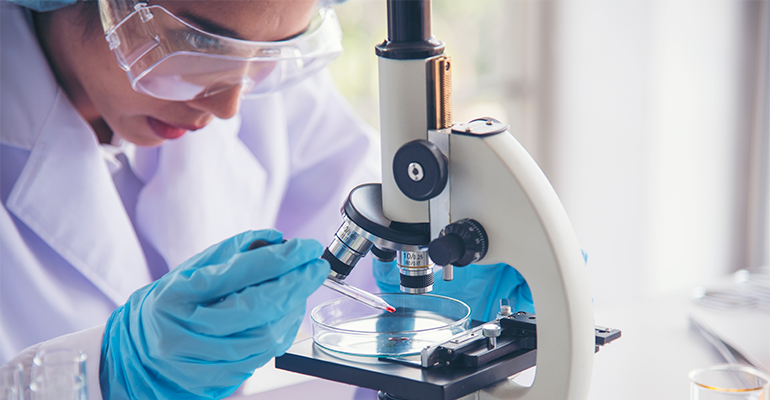
Seven-Eleven uses microbial testing tech to extend katsudon shelf life
26 Aug 2026
Japanese retail company Seven-Eleven has improved its factory’s microbial environment to keep comfort-food staple, katsudon, fresher for longer.
Read more
Chimac’s fusion sauces bring Korean flavours to Europe
25 Aug 2026
Irish sauce brand Chimac is tapping into Korea’s culinary traditions, bringing its flavours and products to European consumers who want a taste of K-food.
Read more
Global demand for instant noodles continues to rise
24 Aug 2026
Global demand for instant noodles reached 124.21 billion servings last year, representing a 0.7% year-on-year increase – or 900 million extra servings.
Read more