
Ingredients Categories
Finished Products
Finished Food Categories
- Bakery
- Beverages / Juices
- Cereal and grain products
- Confectionery
- Cooking Fats & Oils
- Dairy
- Egg products
- Fruits & Vegetables
- Infant & Baby food
- Meat, Poultry & Fish
- Nuts & Seeds products
- Other Finished Food Categories
- Pet Food
- Plant-based foods
- Prepared foods
- Sauces & Seasonings
- Sweet & Savoury Spreads
Specialised Finished Products
- Bee products
- Biotic products
- Dietary supplements
- Energy drinks
- Functional beverages
- Functional confectionery
- Functional food
- Functional powders
- Meal replacement products
- Nutricosmetics
- Other Specialised Finished Products
- Pet Dietary Supplements
- Pharma and OTC products
- Protein products
- Sugar replacers / Sweeteners
Health & Wellness Areas
Delivery Formats
Operations & Services
- 3D printing
- Analysis/ Testing
- Auditing & certifications
- Blending & mixing
- Bottling
- Certification
- Clinical trials
- Co-packing
- Coating
- Consulting
- Contract manufacturing
- Drying
- Electrospinning
- Encapsulating
- Enzymatic processing
- Extracting
- Extrusion
- Fat structuring
- Fermentation
- Filling
- Flavour development
- Freeze drying
- Granulating/ grinding/ milling / mixing
- High-pressure processing
- Labelling
- Other Operations & Services
- Packaging
- Packet filling
- Pasturising
- Quality assurance
- Saccharification
- Shear cell processing
- Spray drying
- Sterilisation
- Storage & Logistics
- Tabletting
- Toasting / roasting
- Ultra-high temperature processing
News
Yali Bio comes out of stealth mode to launch synthetic fat
Katja Knox, Editorial Account Manager 12 Nov 2021Lab-generated, synthetic fat startup Yali Bio is the latest company to raise funds to develop a plant-based alternative fat that mimics animal-derived options. While the company is still a nascent startup, it has already drummed up some institutional funding and is a part of the Illumina Accelerator program cohort from September 2021 to March 2022.
According to PitchBook, Yali Bio is backed by venture capitalist companies, including the accelerator program, Quiet Capital, UpHonest Capital and Third Kind Venture Capital.
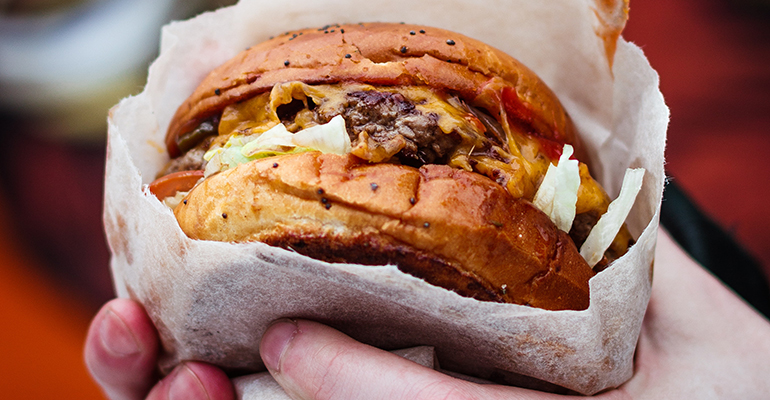
Cultured fats have become a focus for many food tech companies lately as plant-based products continue to explode in popularity. Currently, coconut and palm oil are the primary alternatives to animal fat, but those choices are laden with their own sustainability concerns, including child labor, deforestation and other environmental ramifications. Furthermore, meat analogs that are created using these alternative fats tend to be dry due to the fact that these plant oils leech out of the product during cooking.
This dryness is what inspired the creation of Yali Bio. Co-founded by Yulin Lu who previously worked for Eat Just and Impossible Foods, Yali Bio is based on the idea that each plant-based product application needs to have a fat tailored to its unique ingredient profile. A generic catch-all will not suffice, Lu told The Spoon.
For Yali Bio, yeast is the principal ingredient supporting the development of its synthetic fat. With the help of this natural fermentation ingredient, Yali Bio employs lipid biosynthesis engineering to direct the metabolism of alternative ingredients by yeast to create microbial lipids. These fats are then introduced into plant-based products using a method that allows them to more seamlessly integrate with other ingredients.
Due to the efficacy of this biosynthesis approach, there have been several startups that have taken to exploring this method as a means of creating a fat that mimics the juiciness inherent to animal meat. But this method is not the only way in which startups are looking to engineer fat from sources other than animals. Flavor company Firmenich launched its own proprietary fat mimicking technology, cultivated fat startup Mission Barns raised $24 million in April to begin piloting a fat created from animal cells and Cubiq Foods raised 5 million euros ($5.5 million) to accelerate the development of its cell-based fats.
Although cell-based fat alternatives have come into vogue, it is still a technology that is primarily in the R&D phase, and companies developing this technology will likely need to go through a multitude of approval processes in order to commercialize their solutions. Yali bio, on the other hand, is focusing on yeast to develop its fat alternatives. In doing so, the startup is giving itself a leg up in terms of regulatory approvals. The result may be a faster go-to-market strategy for the early-stage startup.

Get more of our news on Google
Set Ingredients Network as a 'Preferred Source' to get quicker access to the news you value.
Related news

Do the US dietary guidelines put UPFs under pressure?
10 Sep 2026
Will the US dietary guidelines change the way Americans eat, swapping ultra-processed foods for whole foods? We asked Dr Barry Popkin, renowned nutrition and obesity researcher.
Read more
Food fraud costs UK economy £2bn each year
9 Sep 2026
Food fraud is costing the UK economy up to £2 billion (€2.3 billion) every year although the food sector is more “resilient” than others, according to a recent study.
Read more
Kellogg accelerates work to remove artificial colours from all US cereals
3 Sep 2026
WK Kellogg has announced an accelerated timeline to eliminate all artificial colours and the chemical preservative, BHT, across its full US portfolio of cereals and cereal packaging.
Read more
Skimpflation: An ‘unfair’ and risky approach to keeping prices low
2 Sep 2026
Consumers see skimpflation – reducing the quality of ingredients due to rising costs – as more unfair than shrinkflation, making it a risky strategy according to recent research.
Read more
‘Urgent gaps’ in achieving 2030 food system goals
27 Aug 2026
Global food systems are failing to meet 2030 targets across indicators including health, environment, and resilience, according to a report co-authored by the Food and Agriculture Organisation (FAO).
Read more
Seven-Eleven uses microbial testing tech to extend katsudon shelf life
26 Aug 2026
Japanese retail company Seven-Eleven has improved its factory’s microbial environment to keep comfort-food staple, katsudon, fresher for longer.
Read more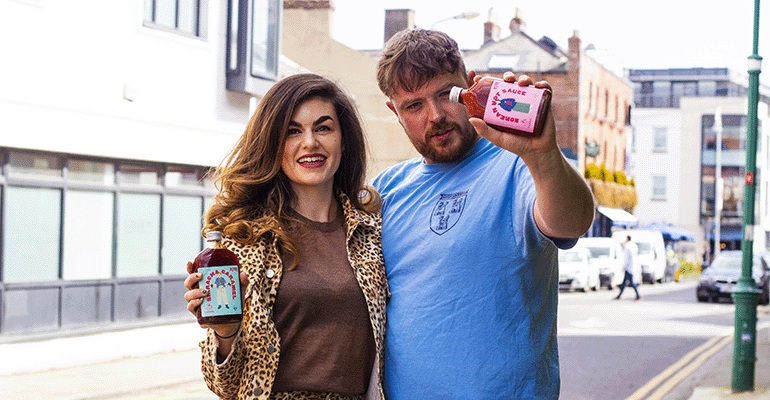
Chimac’s fusion sauces bring Korean flavours to Europe
25 Aug 2026
Irish sauce brand Chimac is tapping into Korea’s culinary traditions, bringing its flavours and products to European consumers who want a taste of K-food.
Read more
Global demand for instant noodles continues to rise
24 Aug 2026
Global demand for instant noodles reached 124.21 billion servings last year, representing a 0.7% year-on-year increase – or 900 million extra servings.
Read more
China beverages: Is herbal innovation the future?
20 Aug 2026
Herbal and botanical innovation in China's drinks market continues to grow, with ingredients like astragalus root, ginger, and ginseng in the spotlight – and focus shifting far beyond refreshment.
Read more
Popular barbecue staples experience sharp price increases
19 Aug 2026
The typical cost of US shoppers’ barbecue baskets has risen by 12% over the past year – the fastest annual rise in a decade, figures from The Economist show.
Read more