
Ingredients Categories
Finished Products
Finished Food Categories
- Bakery
- Beverages / Juices
- Cereal and grain products
- Confectionery
- Cooking Fats & Oils
- Dairy
- Egg products
- Fruits & Vegetables
- Infant & Baby food
- Meat, Poultry & Fish
- Nuts & Seeds products
- Other Finished Food Categories
- Pet Food
- Plant-based foods
- Prepared foods
- Sauces & Seasonings
- Sweet & Savoury Spreads
Specialised Finished Products
- Bee products
- Biotic products
- Dietary supplements
- Energy drinks
- Functional beverages
- Functional confectionery
- Functional food
- Functional powders
- Meal replacement products
- Nutricosmetics
- Other Specialised Finished Products
- Pet Dietary Supplements
- Pharma and OTC products
- Protein products
- Sugar replacers / Sweeteners
Health & Wellness Areas
Delivery Formats
Operations & Services
- 3D printing
- Analysis/ Testing
- Auditing & certifications
- Blending & mixing
- Bottling
- Certification
- Clinical trials
- Co-packing
- Coating
- Consulting
- Contract manufacturing
- Drying
- Electrospinning
- Encapsulating
- Enzymatic processing
- Extracting
- Extrusion
- Fat structuring
- Fermentation
- Filling
- Flavour development
- Freeze drying
- Granulating/ grinding/ milling / mixing
- High-pressure processing
- Labelling
- Other Operations & Services
- Packaging
- Packet filling
- Pasturising
- Quality assurance
- Saccharification
- Shear cell processing
- Spray drying
- Sterilisation
- Storage & Logistics
- Tabletting
- Toasting / roasting
- Ultra-high temperature processing
News
Are front-of-packaging labels ineffective for hedonic products?
Natasha Spencer-Jolliffe, Freelance Journalist 12 Aug 2025Front-of-package labels are designed to raise awareness about poor nutrient choices; however, research indicates that nutrition warnings on unhealthy products such as potato chips, do not consistently serve this purpose.
In the research study, "Clearly Unhealthy: The Effect of Potato Chips Nutrient Warning Labels”, researchers examined the sensory branding characteristics of potato chips to understand the effect front-of-package nutritional warning labels (FOPWs) have on the consumption of unhealthy products.
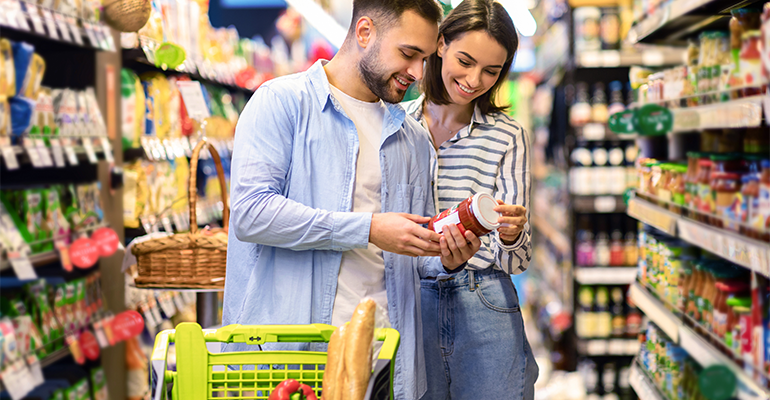
The study, published in the Appetite journal, explored consumers' perceptions about potato chips, not their actual (real) nutritional attributes. The researchers found that packaging can enhance the effect of FOPW, for example, in healthy branded packages (carrot chips), and potato chips in transparent packaging. However, in general, consumers appeared to disregard FOPWs for potato chips.
In recent years, 44 countries, including Argentina, Brazil, and Chile, have adopted FOPW policies to address public health issues, such as the increasing prevalence of obesity and non-communicable diseases (NCDs). While FOPWs have been recognised as a potential tool to raise awareness about poor-nutrient products, the research states that these labels do not consistently serve this purpose for unhealthy and hedonic products such as potato chips.
“The worrisome result is that the nutritional warning does not decrease behavioural intention for most of the packages in the study,” Ana Arboleda, researcher and study author at ICESI University in Colombia, told Ingredients Network. It was only the clear packaging that researchers found reduced the participants' intention to eat and purchase potato chips.
Potato perceptions: The value of chips
As a result, the study sought to analyse the sensory characteristics of potato chips, including brand, packaging transparency, and healthy messaging, to understand how their presence in the Colombian food market affects consumers' eating habits.
“I chose this product [potato chips] as the research stimulus because [they] are recognised as a nutrient-poor product, and consumers are aware of this,” said Arboleda.
Researchers refer to potato chips as a hedonic product; consumers eat them because they cause pleasure, not necessarily because they provide “good” energy. Globally, institutions that develop and enforce public policies are concerned about the increase in consumption of these products and thus believe the idea of having nutritional information on the front of product packaging may act as a deterrent.
Hedonic products are appealing as they are easy to carry, can be consumed at any time, and provide instant gratification. “But they are not “good” for your body in the long run, especially if there are no other sources of good nutrients like protein, fructose, and vitamins,” said Arboleda. Efforts to raise consumer awareness of potato chips and reduce consumption have revolved around packaging labels.
Inclusion in dietary habits
“As a clearly unhealthy product, it is difficult to change the health perceptions of potato chips using FOPWs,” Arboleda said. The study found that consumers appear to disregard FOPWs for hedonic products such as potato chips. However, packaging characteristics such as healthy branding and transparency may enhance the effects of FOPWs.
“However, regulators and parents should not prohibit these products,” Arboleda said. Instead, the study recommends that consumers be aware of their diet's poor nutritional characteristics and understand that nutrient-rich substances, such as proteins, fibre, and vitamins, should be the priority in a balanced diet.
Consumer’s perceptions of front-of-package labels stronger for nutrient-rich foods
Previous studies on FOPWs in Colombia have found that packaging information has a positive effect on changing consumers' perceptions. However, they largely concern more nutrient-rich products. “These studies include fruit drinks, yoghurt, bread, cookies, and cereal, which may not be perceived as hedonic,” Arboleda explained.
A 2024 study into potato chips in the Colombian market found that nutrition warnings are a promising policy that can help consumers identify and discourage the consumption of food products high in nutrients that are considered a concern.
Another study exploring different-shaped FOPWs in Colombia, published in 2020, found that the octagonal warning labels were most successful in enabling consumers to recognise and reduce the consumption of food and drinks with these nutrients of concern. Almost half (49%) of the study's participants selected the octagon warning label as the one that most discouraged them from consuming these nutrients of concern. In comparison, only 21% of consumers selected the circle, and 27% chose the triangle warning.

Get more of our news on Google
Set Ingredients Network as a 'Preferred Source' to get quicker access to the news you value.
Related news

M&S launches own-brand pet food range
11 Sep 2026
UK retailer Marks & Spencer has launched its own-brand pet food line Paws & Pals – a well-timed and strategic move that will appeal to loyal shoppers, says a marketing expert.
Read more
Do the US dietary guidelines put UPFs under pressure?
10 Sep 2026
Will the US dietary guidelines change the way Americans eat, swapping ultra-processed foods for whole foods? We asked Dr Barry Popkin, renowned nutrition and obesity researcher.
Read more
Food fraud costs UK economy £2bn each year
9 Sep 2026
Food fraud is costing the UK economy up to £2 billion (€2.3 billion) every year although the food sector is more “resilient” than others, according to a recent study.
Read more
Kellogg accelerates work to remove artificial colours from all US cereals
3 Sep 2026
WK Kellogg has announced an accelerated timeline to eliminate all artificial colours and the chemical preservative, BHT, across its full US portfolio of cereals and cereal packaging.
Read more
‘Urgent gaps’ in achieving 2030 food system goals
27 Aug 2026
Global food systems are failing to meet 2030 targets across indicators including health, environment, and resilience, according to a report co-authored by the Food and Agriculture Organisation (FAO).
Read more
Chimac’s fusion sauces bring Korean flavours to Europe
25 Aug 2026
Irish sauce brand Chimac is tapping into Korea’s culinary traditions, bringing its flavours and products to European consumers who want a taste of K-food.
Read more
Savoury protein snacks shake up the on-the-go market
10 Aug 2026
Sweet flavours have dominated the high-protein snack category but savoury snacks, such as cheese bars and meat sticks, can appeal to health-conscious consumers.
Read more
Nestlé invests in regeneratively farmed wheat for KitKat
5 Aug 2026
Nestlé will pay a premium for Wildfarmed’s regeneratively farmed wheat but the CPG remains reticent to promote the move on packs of its KitKat bars.
Read more
How Secon Taste is putting upcycled snacks on shelves
4 Aug 2026
Hungarian zero-waste startup Secon Taste is turning surplus food into upcycled snacks such as fibre-packed granola, instant porridge, and a circular coffee-tasting box.
Read more
Codex sets global thresholds for ‘may contain’ labels
3 Aug 2026
Codex Alimentarius has adopted its first global guidance on when to use “may contain” allergen warnings, setting thresholds intended to stop the label being used as blanket legal cover.
Read more