
Ingredients Categories
Finished Products
Finished Food Categories
- Bakery
- Beverages / Juices
- Cereal and grain products
- Confectionery
- Cooking Fats & Oils
- Dairy
- Egg products
- Fruits & Vegetables
- Infant & Baby food
- Meat, Poultry & Fish
- Nuts & Seeds products
- Other Finished Food Categories
- Pet Food
- Plant-based foods
- Prepared foods
- Sauces & Seasonings
- Sweet & Savoury Spreads
Specialised Finished Products
- Bee products
- Biotic products
- Dietary supplements
- Energy drinks
- Functional beverages
- Functional confectionery
- Functional food
- Functional powders
- Meal replacement products
- Nutricosmetics
- Other Specialised Finished Products
- Pet Dietary Supplements
- Pharma and OTC products
- Protein products
- Sugar replacers / Sweeteners
Health & Wellness Areas
Delivery Formats
Operations & Services
- 3D printing
- Analysis/ Testing
- Auditing & certifications
- Blending & mixing
- Bottling
- Certification
- Clinical trials
- Co-packing
- Coating
- Consulting
- Contract manufacturing
- Drying
- Electrospinning
- Encapsulating
- Enzymatic processing
- Extracting
- Extrusion
- Fat structuring
- Fermentation
- Filling
- Flavour development
- Freeze drying
- Granulating/ grinding/ milling / mixing
- High-pressure processing
- Labelling
- Other Operations & Services
- Packaging
- Packet filling
- Pasturising
- Quality assurance
- Saccharification
- Shear cell processing
- Spray drying
- Sterilisation
- Storage & Logistics
- Tabletting
- Toasting / roasting
- Ultra-high temperature processing
News
Bayer shutters its personalised supplement business Care/Of
Simon Pitman, Freelance Journalist 24 Jul 2024Care/of was once heralded as a next-generation supplement brand but, as the category expanded, it failed to keep up with increased competition – leading to Bayer’s recent decision to end operations.
The company had signaled that it was planning to make staff layoffs back in April of this year due to funding shortages, taking the final decision to layoff all of its 143 staff last month.
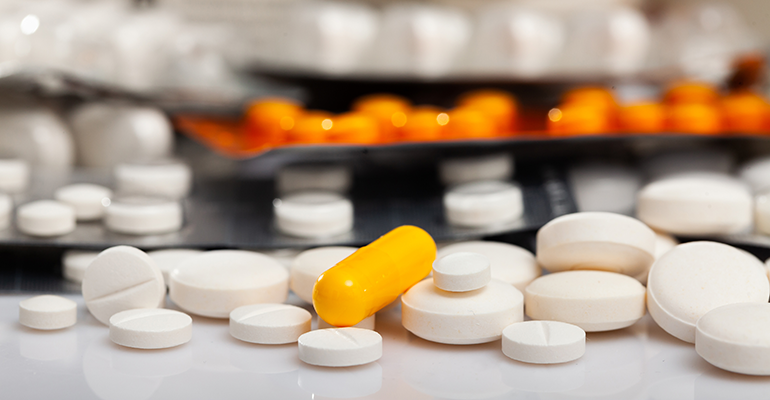
The company posted a memo to its website confirming the closure, which has since been shut down, stating that the business was no longer accepting new orders and is cancelling all subscriptions.
Hint at a possible return for Care/of
“We are actively exploring options for the brand but do not have anything definitive to communicate at this time. We hope to be in a place to share more soon,” the company stated in the memo.
Although there has been no subsequent update, the memo did hint at the possibility that new funding could lead to a future revival of the business.
Established in 2016 by Craig Elbert and Akash Shah, when the market for personalised nutrition and supplements was still relatively underdeveloped, the company was bought out by Bayer in 2020. The move pointed to significant investment and growth potential, given it was partnering with such a huge multinational life science business.
Closure was a result of lost funding
The April disclosure stated ‘funding loss’ as the reason for the closure. Bayer has expressed its intention to continue to invest in its growing number of personal healthcare brands, which in the nutrition area now include Berocca and Redoxon, but its decision to pull funding on Care/of marks its exit from personalised supplements.
The US market for personalised nutrition and supplements has continued to expand at a category-leading rate. According to Vision Research Reports, the category was valued at $4.6 billion and is forecast to grow at a rate of 16.3% CAGR, which would put it a value of almost $21 billion by 2033.
So why did Care/of not manage to carve out its position in the market and line itself up for further growth, given the strong market conditions?
Bayer’s short-lived foray into personalised supplements
When Bayer bought its majority stake in Care/of back in November 2020, the company said the investment aimed to strengthen its position in the high-growth area of personalised nutrition.
The timing of the deal coincided with the COVID-19 pandemic, when demand for nutritional supplements sky-rocketed as people sought to boost their immune systems and overall health. However, after pandemic ended, demand for supplements dipped, leading to more challenging market conditions.
The category also saw the strengthening of a number of key players, including HUM Nutrition, which provides personalised supplements based on a customer quiz, as well as a crop of players that are focusing on tailored pre- and probiotics developed around gut health, including Viome Life Sciences.
The category has also seen some investments from major multinationals, including IFF’s 2022 partnership with Salus Optima and Nestle’s 2020 acquisition of Living Matrix.
Bayer: In the midst of ‘massive restructuring’
While Bayer is certainly a heavyweight, with a 2023 turnover in excess of €51 billion, it has been facing tough times brought on by its ill-fated takeover of Monsanto in 2016, which saddled the company with significant debts after a series of litigations related to the pesticide Roundup.
The end to Bayer’s funding of the Care/of business coincided with another huge round of restructuring for the life science giant, announced in January of this year. The announcement forms part of plans to scale back investments, reduce the management hierarchy, and eliminate bureaucracy.
“Bayer is currently in a difficult situation for various reasons. In order to make rapid, sustainable improvements to our operational performance and our room to maneuver, far-reaching measures are necessary. We want to get Bayer back on the road to success quickly,” said Heike Prinz, labour director of Bayer, when the cutback were announced.

Get more of our news on Google
Set Ingredients Network as a 'Preferred Source' to get quicker access to the news you value.
Related news

Do the US dietary guidelines put UPFs under pressure?
10 Sep 2026
Will the US dietary guidelines change the way Americans eat, swapping ultra-processed foods for whole foods? We asked Dr Barry Popkin, renowned nutrition and obesity researcher.
Read more
Food fraud costs UK economy £2bn each year
9 Sep 2026
Food fraud is costing the UK economy up to £2 billion (€2.3 billion) every year although the food sector is more “resilient” than others, according to a recent study.
Read more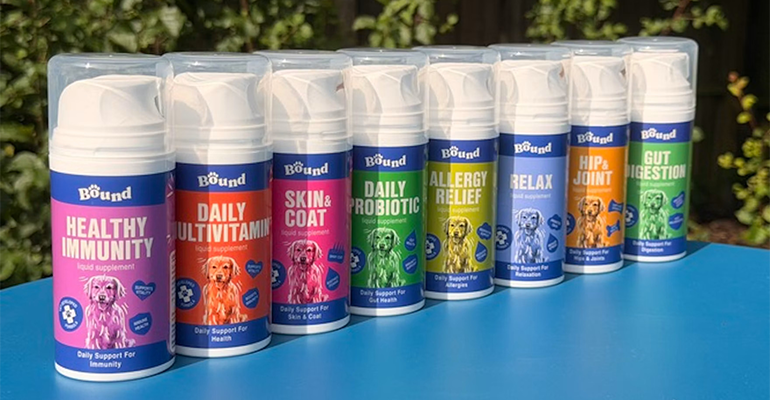
Pump-based liquid pet supplement focuses on health and convenience
8 Sep 2026
Prefera Pet Food uses a plastic pump-based packaging to make administering its liquid supplements for cats and dogs easier, healthier, and more accurate.
Read more
Health and wellness engagement matures across Middle East and Africa
4 Sep 2026
Many consumers in the Middle East and Africa are now proactively engaged in health and wellness, looking to integrate better habits and products into their daily lives, say experts.
Read more
Kellogg accelerates work to remove artificial colours from all US cereals
3 Sep 2026
WK Kellogg has announced an accelerated timeline to eliminate all artificial colours and the chemical preservative, BHT, across its full US portfolio of cereals and cereal packaging.
Read more
Royal Canin launches ‘freshly-cooked’ therapeutic dog food
1 Sep 2026
Mars-owned Royal Canin has moved into the therapeutic diet sector with the launch of its Fresh Veterinary Diets range for dogs with health conditions. We asked a veterinary nutritionist for her opinion.
Read more
‘Urgent gaps’ in achieving 2030 food system goals
27 Aug 2026
Global food systems are failing to meet 2030 targets across indicators including health, environment, and resilience, according to a report co-authored by the Food and Agriculture Organisation (FAO).
Read more
Seven-Eleven uses microbial testing tech to extend katsudon shelf life
26 Aug 2026
Japanese retail company Seven-Eleven has improved its factory’s microbial environment to keep comfort-food staple, katsudon, fresher for longer.
Read more
Chimac’s fusion sauces bring Korean flavours to Europe
25 Aug 2026
Irish sauce brand Chimac is tapping into Korea’s culinary traditions, bringing its flavours and products to European consumers who want a taste of K-food.
Read more
China beverages: Is herbal innovation the future?
20 Aug 2026
Herbal and botanical innovation in China's drinks market continues to grow, with ingredients like astragalus root, ginger, and ginseng in the spotlight – and focus shifting far beyond refreshment.
Read more