
Ingredients Categories
Finished Products
Finished Food Categories
- Bakery
- Beverages / Juices
- Cereal and grain products
- Confectionery
- Cooking Fats & Oils
- Dairy
- Egg products
- Fruits & Vegetables
- Infant & Baby food
- Meat, Poultry & Fish
- Nuts & Seeds products
- Other Finished Food Categories
- Pet Food
- Plant-based foods
- Prepared foods
- Sauces & Seasonings
- Sweet & Savoury Spreads
Specialised Finished Products
- Bee products
- Biotic products
- Dietary supplements
- Energy drinks
- Functional beverages
- Functional confectionery
- Functional food
- Functional powders
- Meal replacement products
- Nutricosmetics
- Other Specialised Finished Products
- Pet Dietary Supplements
- Pharma and OTC products
- Protein products
- Sugar replacers / Sweeteners
Health & Wellness Areas
Delivery Formats
Operations & Services
- 3D printing
- Analysis/ Testing
- Auditing & certifications
- Blending & mixing
- Bottling
- Certification
- Clinical trials
- Co-packing
- Coating
- Consulting
- Contract manufacturing
- Drying
- Electrospinning
- Encapsulating
- Enzymatic processing
- Extracting
- Extrusion
- Fat structuring
- Fermentation
- Filling
- Flavour development
- Freeze drying
- Granulating/ grinding/ milling / mixing
- High-pressure processing
- Labelling
- Other Operations & Services
- Packaging
- Packet filling
- Pasturising
- Quality assurance
- Saccharification
- Shear cell processing
- Spray drying
- Sterilisation
- Storage & Logistics
- Tabletting
- Toasting / roasting
- Ultra-high temperature processing
News
Coca-Cola cuts 2,200 jobs and restructures
5 Jan 2021The saying, new year, new you has a whole new meaning for the soda corporation Coca-Cola that is reducing its workforce by 2,200 people in an effort to restructure and respond to ripple effects from the pandemic. Layoffs and buyouts in the U.S. will constitute the majority of the job reductions with the company planning on reducing its workforce by 12% of 1,200 jobs.
In 2019, Coca-Cola had just over 86,000 employees, but over the last two years, the Atlanta-based company has worked to scale back its number of employees and brands in an effort to revitalize and streamline its business.

"The pandemic was not a cause for these changes, but it has been a catalyst for the company to move faster," the company said in a statement.
Last August, Coke said that it would offer buyouts to 4,000 employees in North America and Puerto Rico. Additionally, the job cuts would be followed by a reduction in business units from 17 to nine in an effort to eliminate redundancies and speed up efficiencies. However, despite the planned reductions in staff, the company has been hit particularly hard by the pandemic. The BBC reported that about half of Coke's volume sales come from out of home venues such as stadiums and movie theaters, but with the majority of those public gathering spaces closed over the course of the pandemic, it has eaten away at the company’s margins. This past quarter, Coca-Cola requoted a 9% decline in revenue from last year to $8.65 billion.
Brands that have built up the company’s portfolio are also on the chopping block. Already recent months have seen Tab soda, Zico coconut water and Odwalla juices retired. However, this is only the beginning of the planned retirement of 200 brands globally. Worldwide, the soda giant has 430 master brands.
At the same time that the company is reducing its number of employees and portfolio size, it is steadily investing in modern brands that are trendy and fast-growing. Recently, Coca-Cola launched its first energy drink, assumed the remaining stake in Fairlife milk and purchased in-demand beverage brands, including Topo Chico and Costa Coffee.
These continued aggressive moves to reposition the 128-year-old company as a relevant option for today’s consumers whose tastes are continually evolving will likely help the soda titan find firmer financial footing as it works to reset itself following the ramifications of the pandemic.

Get more of our news on Google
Set Ingredients Network as a 'Preferred Source' to get quicker access to the news you value.
Related news

Skimpflation: An ‘unfair’ and risky approach to keeping prices low
2 Sep 2026
Consumers see skimpflation – reducing the quality of ingredients due to rising costs – as more unfair than shrinkflation, making it a risky strategy according to recent research.
Read more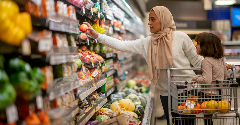
NielsenIQ’s EU barometer shows Britain leading in grocery inflation
31 Aug 2026
Britain was the only country to record grocery inflation above 2%, according to NielsenIQ data that compared Europe’s five biggest grocery markets from February to May 2026.
Read more
‘Urgent gaps’ in achieving 2030 food system goals
27 Aug 2026
Global food systems are failing to meet 2030 targets across indicators including health, environment, and resilience, according to a report co-authored by the Food and Agriculture Organisation (FAO).
Read more
China beverages: Is herbal innovation the future?
20 Aug 2026
Herbal and botanical innovation in China's drinks market continues to grow, with ingredients like astragalus root, ginger, and ginseng in the spotlight – and focus shifting far beyond refreshment.
Read more
Popular barbecue staples experience sharp price increases
19 Aug 2026
The typical cost of US shoppers’ barbecue baskets has risen by 12% over the past year – the fastest annual rise in a decade, figures from The Economist show.
Read more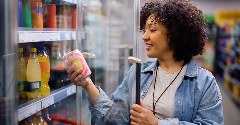
Beyond 'nice to have': A spotlight on US functional beverages
12 Aug 2026
Functional beverage interest in the US is gaining important ground as consumers now expect function rather than see it as "nice to have", and there are clear market gaps for growth, according to Spate.
Read more
Manam Chocolate aims to bring premium Indian cacao to 'the world stage'
11 Aug 2026
Craft chocolate brand Manam Chocolate is investing in local expansion and supply chain innovation throughout India as it works to build out the premium reputation of its locally produced cacao products.
Read more
Digital twin technology gains ground in food manufacturing
6 Aug 2026
Food and beverage companies are increasingly turning to digital twins to optimise and automate manufacturing processes, but opportunities stretch far beyond this, say experts.
Read more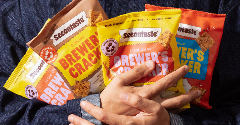
How Secon Taste is putting upcycled snacks on shelves
4 Aug 2026
Hungarian zero-waste startup Secon Taste is turning surplus food into upcycled snacks such as fibre-packed granola, instant porridge, and a circular coffee-tasting box.
Read more
Codex sets global thresholds for ‘may contain’ labels
3 Aug 2026
Codex Alimentarius has adopted its first global guidance on when to use “may contain” allergen warnings, setting thresholds intended to stop the label being used as blanket legal cover.
Read more