
Ingredients Categories
Finished Products
Finished Food Categories
- Bakery
- Beverages / Juices
- Cereal and grain products
- Confectionery
- Cooking Fats & Oils
- Dairy
- Egg products
- Fruits & Vegetables
- Infant & Baby food
- Meat, Poultry & Fish
- Nuts & Seeds products
- Other Finished Food Categories
- Pet Food
- Plant-based foods
- Prepared foods
- Sauces & Seasonings
- Sweet & Savoury Spreads
Specialised Finished Products
- Bee products
- Biotic products
- Dietary supplements
- Energy drinks
- Functional beverages
- Functional confectionery
- Functional food
- Functional powders
- Meal replacement products
- Nutricosmetics
- Other Specialised Finished Products
- Pet Dietary Supplements
- Pharma and OTC products
- Protein products
- Sugar replacers / Sweeteners
Health & Wellness Areas
Delivery Formats
Operations & Services
- 3D printing
- Analysis/ Testing
- Auditing & certifications
- Blending & mixing
- Bottling
- Certification
- Clinical trials
- Co-packing
- Coating
- Consulting
- Contract manufacturing
- Drying
- Electrospinning
- Encapsulating
- Enzymatic processing
- Extracting
- Extrusion
- Fat structuring
- Fermentation
- Filling
- Flavour development
- Freeze drying
- Granulating/ grinding/ milling / mixing
- High-pressure processing
- Labelling
- Other Operations & Services
- Packaging
- Packet filling
- Pasturising
- Quality assurance
- Saccharification
- Shear cell processing
- Spray drying
- Sterilisation
- Storage & Logistics
- Tabletting
- Toasting / roasting
- Ultra-high temperature processing
News
Demand for sustainable pet food drives industry change
Rik Moors 15 Nov 2024Sustainability is becoming a powerful force in the pet food industry, as pet owners increasingly seek products that are environmentally responsible without compromising on quality.
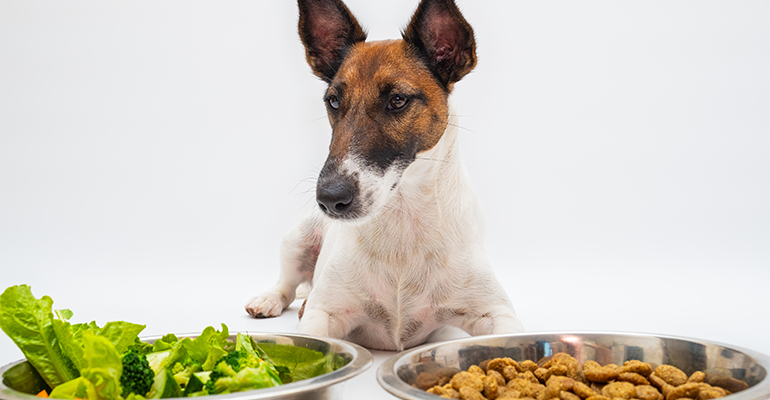
Companies are responding by adopting greener practices, exploring alternative proteins, and innovating with sustainable packaging, all while balancing the need for nutritionally appropriate diets for pets.
Consumer demand for sustainable products
Sustainability is a key driver of consumer behaviour in the pet food sector. Innova Market Insights reports that many pet owners are willing to pay more for eco-friendly products, particularly those with biodegradable, renewable, or recyclable packaging. Meanwhile, Euromonitor International’s "Voice of the Consumer" survey shows that 53% of pet owners are actively reducing plastic use, while 42% prefer sustainable packaging.
As a result, packaging innovations are gaining ground, with brands like Mars and Nestlé responding to consumer demand. Mars’ SWAP Recycling programme incentivises consumers to exchange used packaging for rewards, while Nestlé has introduced recyclable mono-material polypropylene pouches. And as inflation continues to affect spending habits, experts expect new product development to increasingly focus on more sustainable, bulk-buying, and refillable options, reflecting a shift towards reducing waste.
However, sustainability in pet food involves more than just packaging. Research from UK-based Bryant Research, a company using social science research to help speed up the protein transition from conventional meat to alternative proteins, highlights the industry’s significant environmental impact, especially due to its reliance on terrestrial livestock and aquatic animals.
It is estimated that globally, pets consume around 20% of the world's supply of fish and meat, a statistic that is only set to rise with the growing trend of consumers seeking out and feeding their pets human-grade meat. The environmental consequences, including greenhouse gas emissions and resource use, are prompting both consumers and manufacturers to seek more sustainable alternatives.
Sustainable practices in production
In response to these concerns, many manufacturers are adopting sustainable practices throughout their supply chains. Lyka, an Australian company specialising in fresh pet meals, is one company that has put sustainability at the centre of its operations and branding. Gabriel Guedes, COO and CFO of Lyka, tells Fi Global Insights that sourcing locally is a key component of the company’s strategy. “We chose to source 85%+ ingredients from local suppliers and prioritise those that also adopt greener practices. As a result, our food uses 15% less emissions than equivalent kibble.”
Lyka has made significant strides in reducing its carbon emissions, including Scope 1, 2, and 3. Guedes explains that Lyka’s efforts include recycling materials in production and using solar energy at its facilities. “We have reduced our Scope 1 and 2 emissions of carbon (CO₂eq) and single-use plastic by eliminating most sources in our production.” The company offsets its remaining emissions by sponsoring native tree planting in Australia and funding plastic removal from beaches in Southeast Asia. These initiatives have enabled Lyka to become carbon and single-use plastic negative, earning the company industry recognition, including Telstra’s Best of Business Award in the Environmental category.
Instinct Pet Food, a US-based raw pet food company, is similarly focused on sustainability. Dr Susan Wynn, senior director of scientific affairs at Instinct Pet Foods, told Fi Global Insights that the company sources responsibly by using Marine Stewardship Council-certified pollock in its fish-based formulas. This commitment ensures that Instinct’s sourcing practices align with its broader mission of providing minimally processed, natural ingredients to promote pet health and longevity.
Alternative proteins: promise and challenges
As sustainability becomes more important, some pet food manufacturers are turning to alternative proteins, such as plant-based, insect, and cultivated meats, to reduce reliance on traditional animal protein sources. These alternatives are seen as offering significant environmental benefits, with lower resource use and greenhouse gas emissions.
Insect-based pet food has shown particular promise. A recent study assessing consumer attitudes towards insects in pet food found that over half of dog and cat owners were open to the idea, especially if it could be shown to provide both sustainability and nutritional benefits. Cat owners, in particular, were more receptive to insect-based products, suggesting a potential market opportunity for companies focusing on feline nutrition.
However, while alternative proteins offer potential environmental benefits, there are concerns about their long-term suitability for pets. Gabriel Guedes of Lyka cautions against rushing into the use of alternative proteins without adequate research: “Although plant-based, insect, and cultivated meat could play a role in pet nutrition in the future, at present there is not enough research to be certain that these alternatives will allow dogs to thrive.” Guedes emphasises that while occasional use of these proteins may not be problematic, the long-term effects of such diets on carnivorous animals like dogs and cats have not been properly studied.
Wynn echoes these concerns, pointing to the need for further research and development before alternative proteins can be safely incorporated into pet food at scale. “I believe that the pet food industry has little choice but to learn how to use these alternative protein ingredients in a way that safely provides optimal nutrition at an acceptable price point,” Wynn says. She also warns that challenges related to processing these alternative proteins could complicate efforts to maintain nutritional standards.
Balancing sustainability with pet health
Despite the growing focus on sustainability, many pet owners remain cautious about plant-based diets for their pets. Bryant Research’s 2023 Annual Survey found that 53% of pet owners are opposed to feeding plant-based diets to their pets, with concerns about health outcomes being the primary barrier. Many believe that carnivorous animals, especially cats, require meat to maintain a healthy diet and view plant-based alternatives as potentially harmful.
Nevertheless, insect-based proteins and other sustainable options are gaining traction as viable alternatives for the future. A growing body of research suggests that these alternative proteins can provide the necessary nutritional benefits for pets, while also helping to reduce the environmental impact of pet food production. As the science evolves, companies are likely to explore these options more fully, provided they can meet both the sustainability goals and the nutritional needs of pets.
The pet food industry’s future will be shaped by the balance between sustainability and pet health. While consumers are increasingly demanding eco-friendly products, manufacturers must ensure that their offerings also meet the specific dietary requirements of pets. Companies like Lyka and Instinct Pet Food are already leading the way in sustainable practices, but the full potential of alternative proteins has yet to be realised. For now, the focus remains on ensuring that pets can thrive while manufacturers work to reduce the environmental footprint of their products.

Get more of our news on Google
Set Ingredients Network as a 'Preferred Source' to get quicker access to the news you value.
Related news

M&S launches own-brand pet food range
11 Sep 2026
UK retailer Marks & Spencer has launched its own-brand pet food line Paws & Pals – a well-timed and strategic move that will appeal to loyal shoppers, says a marketing expert.
Read more
Do the US dietary guidelines put UPFs under pressure?
10 Sep 2026
Will the US dietary guidelines change the way Americans eat, swapping ultra-processed foods for whole foods? We asked Dr Barry Popkin, renowned nutrition and obesity researcher.
Read more
Food fraud costs UK economy £2bn each year
9 Sep 2026
Food fraud is costing the UK economy up to £2 billion (€2.3 billion) every year although the food sector is more “resilient” than others, according to a recent study.
Read more
Health and wellness engagement matures across Middle East and Africa
4 Sep 2026
Many consumers in the Middle East and Africa are now proactively engaged in health and wellness, looking to integrate better habits and products into their daily lives, say experts.
Read more
Kellogg accelerates work to remove artificial colours from all US cereals
3 Sep 2026
WK Kellogg has announced an accelerated timeline to eliminate all artificial colours and the chemical preservative, BHT, across its full US portfolio of cereals and cereal packaging.
Read more
Skimpflation: An ‘unfair’ and risky approach to keeping prices low
2 Sep 2026
Consumers see skimpflation – reducing the quality of ingredients due to rising costs – as more unfair than shrinkflation, making it a risky strategy according to recent research.
Read more
Royal Canin launches ‘freshly-cooked’ therapeutic dog food
1 Sep 2026
Mars-owned Royal Canin has moved into the therapeutic diet sector with the launch of its Fresh Veterinary Diets range for dogs with health conditions. We asked a veterinary nutritionist for her opinion.
Read more
NielsenIQ’s EU barometer shows Britain leading in grocery inflation
31 Aug 2026
Britain was the only country to record grocery inflation above 2%, according to NielsenIQ data that compared Europe’s five biggest grocery markets from February to May 2026.
Read more
‘Urgent gaps’ in achieving 2030 food system goals
27 Aug 2026
Global food systems are failing to meet 2030 targets across indicators including health, environment, and resilience, according to a report co-authored by the Food and Agriculture Organisation (FAO).
Read more
Seven-Eleven uses microbial testing tech to extend katsudon shelf life
26 Aug 2026
Japanese retail company Seven-Eleven has improved its factory’s microbial environment to keep comfort-food staple, katsudon, fresher for longer.
Read more