
Ingredients Categories
Finished Products
Finished Food Categories
- Bakery
- Beverages / Juices
- Cereal and grain products
- Confectionery
- Cooking Fats & Oils
- Dairy
- Egg products
- Fruits & Vegetables
- Infant & Baby food
- Meat, Poultry & Fish
- Nuts & Seeds products
- Other Finished Food Categories
- Pet Food
- Plant-based foods
- Prepared foods
- Sauces & Seasonings
- Sweet & Savoury Spreads
Specialised Finished Products
- Bee products
- Biotic products
- Dietary supplements
- Energy drinks
- Functional beverages
- Functional confectionery
- Functional food
- Functional powders
- Meal replacement products
- Nutricosmetics
- Other Specialised Finished Products
- Pet Dietary Supplements
- Pharma and OTC products
- Protein products
- Sugar replacers / Sweeteners
Health & Wellness Areas
Delivery Formats
Operations & Services
- 3D printing
- Analysis/ Testing
- Auditing & certifications
- Blending & mixing
- Bottling
- Certification
- Clinical trials
- Co-packing
- Coating
- Consulting
- Contract manufacturing
- Drying
- Electrospinning
- Encapsulating
- Enzymatic processing
- Extracting
- Extrusion
- Fat structuring
- Fermentation
- Filling
- Flavour development
- Freeze drying
- Granulating/ grinding/ milling / mixing
- High-pressure processing
- Labelling
- Other Operations & Services
- Packaging
- Packet filling
- Pasturising
- Quality assurance
- Saccharification
- Shear cell processing
- Spray drying
- Sterilisation
- Storage & Logistics
- Tabletting
- Toasting / roasting
- Ultra-high temperature processing
News
EU approves fermented rapeseed cake as a novel food ingredient
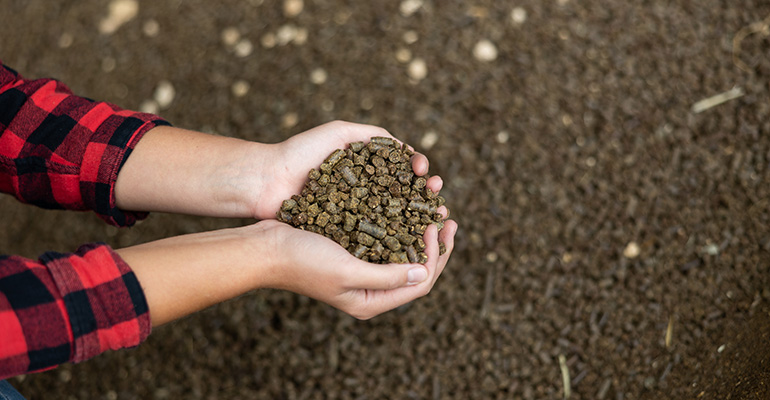
Rik Moors 23 May 2025Fermented rapeseed cake has been approved for use in food products in the EU, expanding the high-protein byproduct’s application beyond animal feed and biogas.
Rapeseed cake, a byproduct of oil extraction, is rich in protein (28 to 30%) but was previously deemed unsuitable for human consumption owing to the presence of bitter-tasting glucosinolates.
But in April, FERM FOOD, a Danish producer of plant protein ingredients, received approval from the European Commission under the EU Novel Food Regulation (EU) 2015/2283.
The company’s solid-state fermentation process using lactic acid bacteria neutralises these compounds, creating what it describes as a functional, clean-label food ingredient.
Rapeseed cake: Authorisation expands previous scope
Rapeseed, also known as canola, is primarily grown for its oil-rich seeds. When pressed into cooking oil, a protein-rich press cake is left behind.
A prior novel food authorisation for rapeseed cake applied only to a narrowly defined Finnish variant.
The new approval grants wider specifications compatible with standard rapeseed varieties produced across the EU, and is expected to increase the availability of fermented rapeseed cake for use in a range of food formats i,ncluding bread, pâté, sausages, and plant-based products.
Beyond its nutritional value, fermented rapeseed cake has demonstrated preservative properties that can help extend the shelf life of baked goods.
“Clean-label foods are a high priority for consumers. Fermented rapeseed cake is therefore a logical solution to replace both functional additives and preservatives, making the end product more natural,” said Jens Legarth, founder and CEO of FERM FOOD.
The Danish bakery Vadehavsbageriet is already using the ingredient in its bread products.
According to bakery owner Jytte Kruse, the inclusion of fermented rapeseed cake improves the amino acid profile and allows for shelf-life extension without synthetic additives.
Boost for European protein production
The Danish Industry Association for Grain and Feed welcomed the decision.
“We are world champions in producing rapeseed in the EU. Therefore, the EU's extension of the existing approval is a huge advantage for EU rapeseed production and EU plant proteins for food,” said director Emil Dalsgaard Hansen.
In 2024, Denmark produced 696 million kg of rapeseed, yielding approximately 447,000 tonnes of rapeseed cake, according to Statistics Denmark.
Meanwhile, the EU’s Agridata platform shows that it produced nearly 20 million tonnes of rapeseed in the previous season, with a forecasted 17 million tonnes for 2024-25 – exceeding the production and yield of other common EU-produced oilseeds, including soy and sunflower.
With the new approval, stakeholders expect wider food industry uptake across Europe.
“Customers have been waiting for EU approval to kick off the development of new clean-label, protein-rich products,” said Søren Lange, head of product development at FERM FOOD.
EU regulatory background
The application was assessed by the European Food Safety Authority (EFSA), which confirmed the safety of the product under the proposed conditions of use. The Commission's final authorisation followed EFSA’s scientific opinion, in line with the requirements of the Novel Food Regulation.
Under EU rules, foods not consumed to a significant degree prior to 15 May 1997 require pre-market authorisation as novel foods. Applications must be supported by safety data and undergo assessment by EFSA before the European Commission grants approval.
Each authorisation specifies the source material, processing method, compositional criteria, and approved uses within defined food categories.

Get more of our news on Google
Set Ingredients Network as a 'Preferred Source' to get quicker access to the news you value.
Related news

M&S launches own-brand pet food range
11 Sep 2026
UK retailer Marks & Spencer has launched its own-brand pet food line Paws & Pals – a well-timed and strategic move that will appeal to loyal shoppers, says a marketing expert.
Read more
Do the US dietary guidelines put UPFs under pressure?
10 Sep 2026
Will the US dietary guidelines change the way Americans eat, swapping ultra-processed foods for whole foods? We asked Dr Barry Popkin, renowned nutrition and obesity researcher.
Read more
Food fraud costs UK economy £2bn each year
9 Sep 2026
Food fraud is costing the UK economy up to £2 billion (€2.3 billion) every year although the food sector is more “resilient” than others, according to a recent study.
Read more
Kellogg accelerates work to remove artificial colours from all US cereals
3 Sep 2026
WK Kellogg has announced an accelerated timeline to eliminate all artificial colours and the chemical preservative, BHT, across its full US portfolio of cereals and cereal packaging.
Read more
‘Urgent gaps’ in achieving 2030 food system goals
27 Aug 2026
Global food systems are failing to meet 2030 targets across indicators including health, environment, and resilience, according to a report co-authored by the Food and Agriculture Organisation (FAO).
Read more
Chimac’s fusion sauces bring Korean flavours to Europe
25 Aug 2026
Irish sauce brand Chimac is tapping into Korea’s culinary traditions, bringing its flavours and products to European consumers who want a taste of K-food.
Read more
Savoury protein snacks shake up the on-the-go market
10 Aug 2026
Sweet flavours have dominated the high-protein snack category but savoury snacks, such as cheese bars and meat sticks, can appeal to health-conscious consumers.
Read more
Nestlé invests in regeneratively farmed wheat for KitKat
5 Aug 2026
Nestlé will pay a premium for Wildfarmed’s regeneratively farmed wheat but the CPG remains reticent to promote the move on packs of its KitKat bars.
Read more
How Secon Taste is putting upcycled snacks on shelves
4 Aug 2026
Hungarian zero-waste startup Secon Taste is turning surplus food into upcycled snacks such as fibre-packed granola, instant porridge, and a circular coffee-tasting box.
Read more
Codex sets global thresholds for ‘may contain’ labels
3 Aug 2026
Codex Alimentarius has adopted its first global guidance on when to use “may contain” allergen warnings, setting thresholds intended to stop the label being used as blanket legal cover.
Read more