
Ingredients Categories
Finished Products
Finished Food Categories
- Bakery
- Beverages / Juices
- Cereal and grain products
- Confectionery
- Cooking Fats & Oils
- Dairy
- Egg products
- Fruits & Vegetables
- Infant & Baby food
- Meat, Poultry & Fish
- Nuts & Seeds products
- Other Finished Food Categories
- Pet Food
- Plant-based foods
- Prepared foods
- Sauces & Seasonings
- Sweet & Savoury Spreads
Specialised Finished Products
- Bee products
- Biotic products
- Dietary supplements
- Energy drinks
- Functional beverages
- Functional confectionery
- Functional food
- Functional powders
- Meal replacement products
- Nutricosmetics
- Other Specialised Finished Products
- Pet Dietary Supplements
- Pharma and OTC products
- Protein products
- Sugar replacers / Sweeteners
Health & Wellness Areas
Delivery Formats
Operations & Services
- 3D printing
- Analysis/ Testing
- Auditing & certifications
- Blending & mixing
- Bottling
- Certification
- Clinical trials
- Co-packing
- Coating
- Consulting
- Contract manufacturing
- Drying
- Electrospinning
- Encapsulating
- Enzymatic processing
- Extracting
- Extrusion
- Fat structuring
- Fermentation
- Filling
- Flavour development
- Freeze drying
- Granulating/ grinding/ milling / mixing
- High-pressure processing
- Labelling
- Other Operations & Services
- Packaging
- Packet filling
- Pasturising
- Quality assurance
- Saccharification
- Shear cell processing
- Spray drying
- Sterilisation
- Storage & Logistics
- Tabletting
- Toasting / roasting
- Ultra-high temperature processing
News
Food structure impacts eating rate and consumption
Tessa Wiles, Content Editor - Food 18 Aug 2025The structure of the foods we consume may be more important than meets the eye when it comes to eating rate and overall food and caloric intake, impacting issues like weight gain and overconsumption.
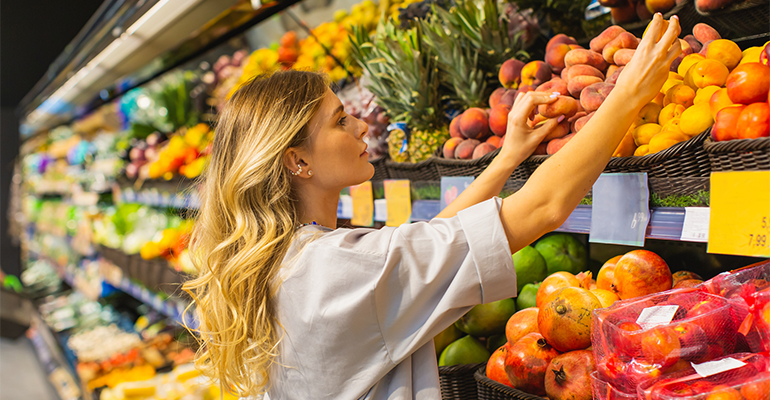
How fast and how much we eat is significantly influenced by the structure of the foods we consume. Softer foods tend to lead to faster eating and higher caloric intake, while harder foods and smaller unit sizes generally increase chewing and slow consumption.
Dieuwerke Bolhuis, sensory scientist and expertise leader of food consumer behaviour at Wageningen Food and Biobased Research, explained that while the evidence linking eating rate to overconsumption is mounting, there is a missed opportunity, specifically “working with food structures to make foods that are still very palatable, but that moderate food intake”.
Bolhuis, presenting at the Institute of Food Technologists (IFT) First 2025 in Chicago, said that focusing on both energy density and eating rate has the potential to influence overall energy intake and promote healthier eating patterns.
Hard vs soft food’s impact on eating rate
The structure of the food we eat profoundly influences how quickly and how much we eat. Softer foods require less chewing or “oral processing” than harder foods, and consistently lead to faster consumption, which in turn increases food intake.
Bolhuis pointed to her 2014 research, which compared the eating rates of hard and soft foods. Bolhuis and colleagues found that participants given a soft version of lunch – including a hamburger on a soft bun, risotto, and boiled vegetables – ate at a faster rate and consumed more calories, compared to participants given a hard version – a hard hamburger bun, a rice salad with raw vegetables. This effect was sustained, as participants “did not compensate for the differences in energy intake” at subsequent meals.
Structural and dimensional properties and condiments affect eating rate
Both textural and dimensional properties of food can significantly determine eating rate. Bolhuis explained that textural attributes, such as the “adhesiveness of the crumb” can speed up eating rate because it “sticks together” easily. On the other hand, when the crust or crumb of food is harder, the eating rate is slowed.
Dimensional properties such as the thickness of a slice of bread also impact eating rate, with thick slices leading to larger bite sizes. Counter-intuitively, smaller unit sizes can slow consumption. Bolhuis pointed to julienned carrots as one such example, which led to “more chewing and more saliva needed” before they can be swallowed.
In addition, condiments like cream cheese on carrier foods such as crackers generally accelerate the eating rate, as they offer lubrication to the carrier food, reducing the need for chewing and saliva to swallow.
The surface area of the carrier food is another important factor in how much condiment people use. Bolhuis pointed to another study on oral processing, explaining that differently shaped crackers can impact how much cream cheese people subconsciously add. With a square-shaped cracker compared to one shaped like a finger, Bolhuis said, people were more likely to add more cream cheese, despite feeling equally full afterwards.
Strategic food design for slower consumption, without impacting satisfaction
One of the biggest opportunities for food design within this context, according to Bolhuis, is creating foods that are consumed more slowly, yet maintain consumer liking. The key to this is to “design structures that are consumed more slowly but with equal pleasantness”, so that consumers feel fuller sooner and are satisfied with smaller portion sizes.
Bolhuis recommends altering properties to “reduce bite size and increase the chewing”. She added that “quick wins” could come in the form of size and shape, and ultimately, help people “enjoy more food from each calorie”.

Get more of our news on Google
Set Ingredients Network as a 'Preferred Source' to get quicker access to the news you value.
Related news

Do the US dietary guidelines put UPFs under pressure?
10 Sep 2026
Will the US dietary guidelines change the way Americans eat, swapping ultra-processed foods for whole foods? We asked Dr Barry Popkin, renowned nutrition and obesity researcher.
Read more
Food fraud costs UK economy £2bn each year
9 Sep 2026
Food fraud is costing the UK economy up to £2 billion (€2.3 billion) every year although the food sector is more “resilient” than others, according to a recent study.
Read more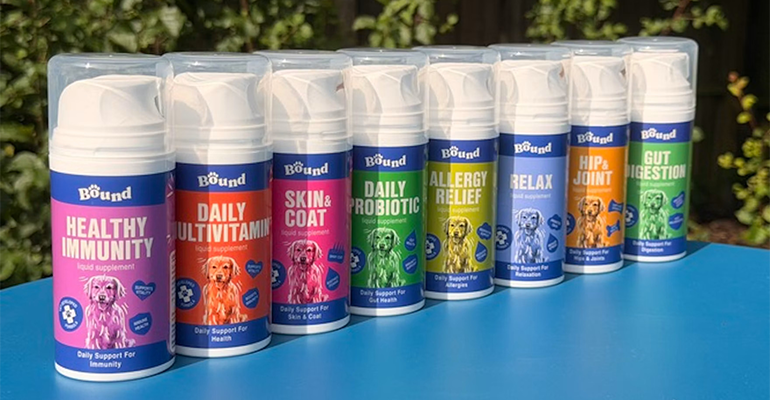
Pump-based liquid pet supplement focuses on health and convenience
8 Sep 2026
Prefera Pet Food uses a plastic pump-based packaging to make administering its liquid supplements for cats and dogs easier, healthier, and more accurate.
Read more
Health and wellness engagement matures across Middle East and Africa
4 Sep 2026
Many consumers in the Middle East and Africa are now proactively engaged in health and wellness, looking to integrate better habits and products into their daily lives, say experts.
Read more
Kellogg accelerates work to remove artificial colours from all US cereals
3 Sep 2026
WK Kellogg has announced an accelerated timeline to eliminate all artificial colours and the chemical preservative, BHT, across its full US portfolio of cereals and cereal packaging.
Read more
Royal Canin launches ‘freshly-cooked’ therapeutic dog food
1 Sep 2026
Mars-owned Royal Canin has moved into the therapeutic diet sector with the launch of its Fresh Veterinary Diets range for dogs with health conditions. We asked a veterinary nutritionist for her opinion.
Read more
‘Urgent gaps’ in achieving 2030 food system goals
27 Aug 2026
Global food systems are failing to meet 2030 targets across indicators including health, environment, and resilience, according to a report co-authored by the Food and Agriculture Organisation (FAO).
Read more
Seven-Eleven uses microbial testing tech to extend katsudon shelf life
26 Aug 2026
Japanese retail company Seven-Eleven has improved its factory’s microbial environment to keep comfort-food staple, katsudon, fresher for longer.
Read more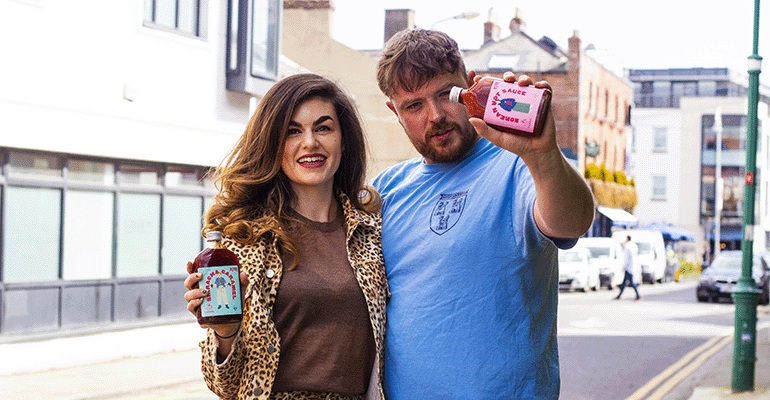
Chimac’s fusion sauces bring Korean flavours to Europe
25 Aug 2026
Irish sauce brand Chimac is tapping into Korea’s culinary traditions, bringing its flavours and products to European consumers who want a taste of K-food.
Read more
China beverages: Is herbal innovation the future?
20 Aug 2026
Herbal and botanical innovation in China's drinks market continues to grow, with ingredients like astragalus root, ginger, and ginseng in the spotlight – and focus shifting far beyond refreshment.
Read more