
Ingredients Categories
Finished Products
Finished Food Categories
- Bakery
- Beverages / Juices
- Cereal and grain products
- Confectionery
- Cooking Fats & Oils
- Dairy
- Egg products
- Fruits & Vegetables
- Infant & Baby food
- Meat, Poultry & Fish
- Nuts & Seeds products
- Other Finished Food Categories
- Pet Food
- Plant-based foods
- Prepared foods
- Sauces & Seasonings
- Sweet & Savoury Spreads
Specialised Finished Products
- Bee products
- Biotic products
- Dietary supplements
- Energy drinks
- Functional beverages
- Functional confectionery
- Functional food
- Functional powders
- Meal replacement products
- Nutricosmetics
- Other Specialised Finished Products
- Pet Dietary Supplements
- Pharma and OTC products
- Protein products
- Sugar replacers / Sweeteners
Health & Wellness Areas
Delivery Formats
Operations & Services
- 3D printing
- Analysis/ Testing
- Auditing & certifications
- Blending & mixing
- Bottling
- Certification
- Clinical trials
- Co-packing
- Coating
- Consulting
- Contract manufacturing
- Drying
- Electrospinning
- Encapsulating
- Enzymatic processing
- Extracting
- Extrusion
- Fat structuring
- Fermentation
- Filling
- Flavour development
- Freeze drying
- Granulating/ grinding/ milling / mixing
- High-pressure processing
- Labelling
- Other Operations & Services
- Packaging
- Packet filling
- Pasturising
- Quality assurance
- Saccharification
- Shear cell processing
- Spray drying
- Sterilisation
- Storage & Logistics
- Tabletting
- Toasting / roasting
- Ultra-high temperature processing
News
Frutarom enters “beauty from within” market
25 Jul 2018Frutarom has entered the “beauty from within” market with PhytoflORAL, a patented clinically studied cosmeceutical that is said to give skin a light, even tone and to promote skin health.

Frutarom has entered the “beauty from within” market with PhytoflORAL, a patented clinically studied cosmeceutical that is said to give skin a light, even tone and to promote skin health. It was developed by IBR.
PhytoflORAL is composed of a proprietary ingredient derived from non-GMO tomatoes rich in the colourless carotenoids, phytoene and phytofluene. It is available as a free-flowing, all-natural powder that can be used in multiple applications, including capsules, chewable tablets, drinks and pre-mix sachets.“The recent acquisition of IBR by Frutarom opened a new market of cosmeceuticals, with prospects for rapid growth and added value,” said Yoni Glickman, President of Frutarom Natural Solutions. “IBR brings innovation and all-natural solutions backed by research that perfectly fit into our portfolio.”Clinical data show that dietary intake of phytoene and phytofluene results in the accumulation of these phytochemicals in the skin, delivering multiple skin-health and beauty benefits. These include protection against oxidative damage and sun exposure, as well as capabilities to brighten skin and even out complexion. Moreover, these compounds possess inherent anti-aging properties for skin. These carotenoids inhibit melanin synthesis and control pigmentation through natural mechanisms, assist protecting from UV and oxidative damage, while concurrently reducing inflammation and DNA damage.“Asia Pacific is one of the top markets for beauty from within ingredients,” said Liki von Oppen-Bezalel, VP of Business Development and Marketing for IBR. “Multiple skin health ingredients, especially so-called ‘skin-whitening’ materials, are unsafe for use. This is why it was vital to develop a safe, research-backed natural ingredient like PhytoflORAL.”PhytoflORAL has been subject to a number of clinical and in vitro studies that demonstrate its bioactivity. Efficacy was further elucidated through gene expression analysis.In one clinical study, PhytoflORAL presented a significant photoprotective effect after 84 days of supplementation, as indicated by a 20% increase in Minimum Erythemal Dose (calculates shortest exposure to UV radiation before reddening of the skin) in 65% of participants. Another study demonstrated a measurable skin lightening effect in 82% of subjects noticeable after 42 days, and increasing after 84 days. In addition, subjects reported enhanced skin radiance, evenness, hydration, and suppleness, and found their skin to be visually healthier and more resistant to sun damage.IBR developed complementary ingredients to PhytoflORAL for topical use. These products also are rich in phytoene and phytofluene, and available for dual “beauty from inside and outside” regimes.According to Frutarorm. the global active ingredients market for cosmetics was valued at approx. US$2.63 billion in 2015. It is projected to reach US$4.45 billion by 2026, as reported in Markets and Markets. The primary drivers for this acceleration is increasing awareness among consumers toward skin health and rising demand of consumers to look good. The trend is especially strong in Asia and South America. This awareness is generating a significant demand for cosmetics and personal care products, particularly those for anti-aging, skin-tone evening, and sunscreen. The demand for natural, “green,” environmentally friendly cosmetic products is likewise increasing.

Get more of our news on Google
Set Ingredients Network as a 'Preferred Source' to get quicker access to the news you value.
Related news
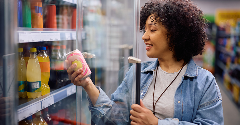
Reinventing soda: Zero sugar, functional benefits, and new indulgence
30 Sep 2026
Zero-sugar, functional, and indulgent sodas are redefining what a carbonated soft drink can offer in today’s evolving market.
Read more
Is creatine going mainstream in food and drink formulation?
24 Sep 2026
The functional ingredient creatine is gaining traction in the food and drink industry, as brands ramp up production investment and explore new applications.
Read more
New GRAS rules offer consumers confidence but companies are concerned
22 Sep 2026
Public health campaigners are celebrating the US government’s move to close the Generally Recognised as Safe (GRAS) loophole, but companies worry it will stifle innovation.
Read more
Kremlin takes control of Nestlé Russia’s assets
18 Sep 2026
Nestlé says it is committed to “taking all necessary steps to protect its rights” after Russian authorities take temporary control of its operations in the country.
Read more
Immunity, wellness, and nutrition: Nutraceutical promise in the Middle East and Africa
17 Sep 2026
Nutraceuticals continue to gain ground across the Middle East and Africa with vitamins, probiotics, and functional drinks doing particularly well, says Euromonitor.
Read more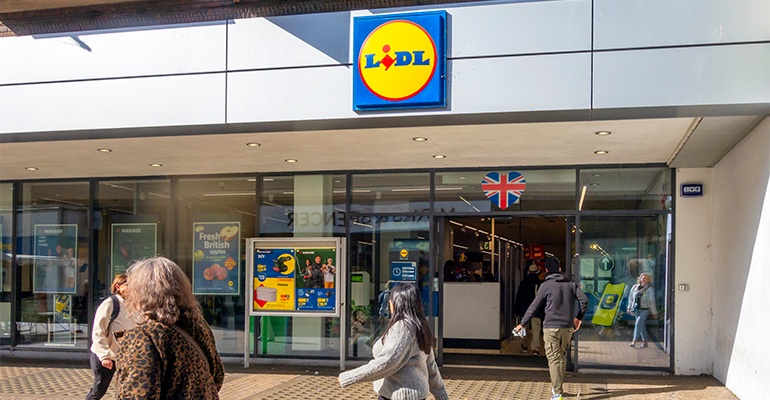
Lidl says Britain 'significantly off track' with healthy and sustainable eating
15 Sep 2026
Discounter retailer Lidl has raised concerns about healthy and sustainable eating habits across Britain, spotlighting how affordability remains a barrier for consumers.
Read more
Do the US dietary guidelines put UPFs under pressure?
10 Sep 2026
Will the US dietary guidelines change the way Americans eat, swapping ultra-processed foods for whole foods? We asked Dr Barry Popkin, renowned nutrition and obesity researcher.
Read more
Food fraud costs UK economy £2bn each year
9 Sep 2026
Food fraud is costing the UK economy up to £2 billion (€2.3 billion) every year although the food sector is more “resilient” than others, according to a recent study.
Read more
Skimpflation: An ‘unfair’ and risky approach to keeping prices low
2 Sep 2026
Consumers see skimpflation – reducing the quality of ingredients due to rising costs – as more unfair than shrinkflation, making it a risky strategy according to recent research.
Read more
NielsenIQ’s EU barometer shows Britain leading in grocery inflation
31 Aug 2026
Britain was the only country to record grocery inflation above 2%, according to NielsenIQ data that compared Europe’s five biggest grocery markets from February to May 2026.
Read more