
Ingredients Categories
Finished Products
Finished Food Categories
- Bakery
- Beverages / Juices
- Cereal and grain products
- Confectionery
- Cooking Fats & Oils
- Dairy
- Egg products
- Fruits & Vegetables
- Infant & Baby food
- Meat, Poultry & Fish
- Nuts & Seeds products
- Other Finished Food Categories
- Pet Food
- Plant-based foods
- Prepared foods
- Sauces & Seasonings
- Sweet & Savoury Spreads
Specialised Finished Products
- Bee products
- Biotic products
- Dietary supplements
- Energy drinks
- Functional beverages
- Functional confectionery
- Functional food
- Functional powders
- Meal replacement products
- Nutricosmetics
- Other Specialised Finished Products
- Pet Dietary Supplements
- Pharma and OTC products
- Protein products
- Sugar replacers / Sweeteners
Health & Wellness Areas
Delivery Formats
Operations & Services
- 3D printing
- Analysis/ Testing
- Auditing & certifications
- Blending & mixing
- Bottling
- Certification
- Clinical trials
- Co-packing
- Coating
- Consulting
- Contract manufacturing
- Drying
- Electrospinning
- Encapsulating
- Enzymatic processing
- Extracting
- Extrusion
- Fat structuring
- Fermentation
- Filling
- Flavour development
- Freeze drying
- Granulating/ grinding/ milling / mixing
- High-pressure processing
- Labelling
- Other Operations & Services
- Packaging
- Packet filling
- Pasturising
- Quality assurance
- Saccharification
- Shear cell processing
- Spray drying
- Sterilisation
- Storage & Logistics
- Tabletting
- Toasting / roasting
- Ultra-high temperature processing
News
How hormonal health is transforming the F&B space
Natasha Spencer-Jolliffe, Freelance Journalist 29 Sep 2025Meal kit developer Green Chef has launched its first-ever female-focused recipe box, designed to help manage symptoms and reduce the burden of hormonal health issues across all life stages.
With the menopause market expected to be worth $24.4 billion (€20.8 billion) by 2030, food and beverage (F&B) manufacturers are seeking to tap into consumer calls for nutrition and recipes that support hormonal health.
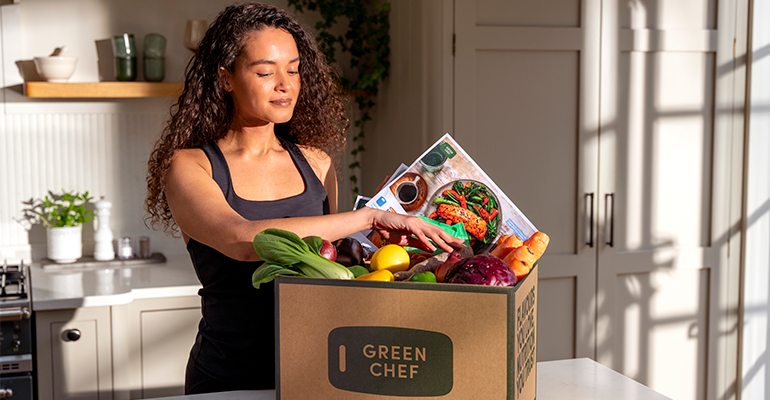
Green Chef entered the market earlier this month with its first recipe box catering to female health. The dishes are designed to provide tailored nutrient-rich meals for every stage of hormonal health, including premenstrual syndrome (PMS), perimenopause, menopause, and other hormone-related conditions.
“Women can spend around 3,500 days of their life menstruating, but the impact it has on energy, mood, productivity, and wellbeing is still too often ignored,” registered nutritionist Lily Keeling, senior recipe development manager at Green Chef, told Ingredients Network.
Championing a holistic approach to hormone health
The UK brand wanted to create nutritionally balanced meals that support hormonal shifts while also saving time, energy, and mental bandwidth.
In a Green Chef survey of 2,000 UK women aged between 16 and 60 years, nine in 10 (90%) respondents said their menstrual or menopausal symptoms affect daily life. Respondents cited fatigue, mood changes, and disrupted diets as their main challenges.
Almost three-quarters (72%) of menopausal women taking part in the survey said they wanted more education around nutrition.
Designed to appeal to consumers’ demands for convenience, the meal kits are aimed to provide functional nutrition in easily accessible, prepared formats that remove menu planning from the eating experience, with tailored recipes designed to support women to feel fuelled, balanced, and in control of their hormone health.
“The last thing women need when managing symptoms is to worry about what’s for dinner and if they’re eating the right things,” Keeling added.
Honing formulations for hormonal health
Hormonal health is increasingly influencing recipe developments and finished products in the F&B space.
“Hormone creation and normal hormone fluctuation are supported with controlled blood sugars, healthy fats for hormone production, and a diverse gut microbiome,” said Keeling.
Traditionally, developments in managing hormonal health within F&B have focused on supplements, while food product developments have remained limited. However, increasingly, this is expanding to functional snack and beverage products.
Brands with recent female-led food launches include HI Foods, which has designed a selection of pantry products that strive to support female bodies across all stages of hormone health, including postnatal, perimenopause, and post-menopause. Built on the close relationship between food and hormone health, the products use whole-food ingredients, and are free from additives and emulsifiers.
Mena, hailed as a menopause-friendly food brand, launched on the market in November 2023. With its range of on-the-go snack bars and at-home breakfast cereals and breads, Mena aims to offer natural food alternatives to traditional counterparts to help alleviate menopausal symptoms by incorporating ingredients containing oestrogens and phytoestrogens into its product collection.
Incorporating ingredients to support hormones
Slow energy-release carbs, omega-3s, unsaturated fats, fibre, and fermented foods are among the leading ingredients that support the gut-hormone link. Fish and plant-based foods are sources of omega-3s and unsaturated fats, which prompt hormone production.
Ingredients that support gut health, in turn, are beneficial for hormonal health. Prebiotic fibres, such as beans, pulses, and vegetables, as well as fermented foods like kimchi and kefir, are examples of foodstuffs that have links to improved gut health.
Wholegrains and a diet based on lots of fruit and vegetables also contribute to a general healthy diet, which supports hormones.
“There is also some emerging evidence about phytoestrogens present in soy-based foods such as tofu, tempeh, and edamame that may help with hormone-related menopause symptoms too,” said Keeling.

Get more of our news on Google
Set Ingredients Network as a 'Preferred Source' to get quicker access to the news you value.
Related news

M&S launches own-brand pet food range
11 Sep 2026
UK retailer Marks & Spencer has launched its own-brand pet food line Paws & Pals – a well-timed and strategic move that will appeal to loyal shoppers, says a marketing expert.
Read more
Do the US dietary guidelines put UPFs under pressure?
10 Sep 2026
Will the US dietary guidelines change the way Americans eat, swapping ultra-processed foods for whole foods? We asked Dr Barry Popkin, renowned nutrition and obesity researcher.
Read more
Food fraud costs UK economy £2bn each year
9 Sep 2026
Food fraud is costing the UK economy up to £2 billion (€2.3 billion) every year although the food sector is more “resilient” than others, according to a recent study.
Read more
Health and wellness engagement matures across Middle East and Africa
4 Sep 2026
Many consumers in the Middle East and Africa are now proactively engaged in health and wellness, looking to integrate better habits and products into their daily lives, say experts.
Read more
Kellogg accelerates work to remove artificial colours from all US cereals
3 Sep 2026
WK Kellogg has announced an accelerated timeline to eliminate all artificial colours and the chemical preservative, BHT, across its full US portfolio of cereals and cereal packaging.
Read more
Skimpflation: An ‘unfair’ and risky approach to keeping prices low
2 Sep 2026
Consumers see skimpflation – reducing the quality of ingredients due to rising costs – as more unfair than shrinkflation, making it a risky strategy according to recent research.
Read more
Royal Canin launches ‘freshly-cooked’ therapeutic dog food
1 Sep 2026
Mars-owned Royal Canin has moved into the therapeutic diet sector with the launch of its Fresh Veterinary Diets range for dogs with health conditions. We asked a veterinary nutritionist for her opinion.
Read more
NielsenIQ’s EU barometer shows Britain leading in grocery inflation
31 Aug 2026
Britain was the only country to record grocery inflation above 2%, according to NielsenIQ data that compared Europe’s five biggest grocery markets from February to May 2026.
Read more
‘Urgent gaps’ in achieving 2030 food system goals
27 Aug 2026
Global food systems are failing to meet 2030 targets across indicators including health, environment, and resilience, according to a report co-authored by the Food and Agriculture Organisation (FAO).
Read more
Seven-Eleven uses microbial testing tech to extend katsudon shelf life
26 Aug 2026
Japanese retail company Seven-Eleven has improved its factory’s microbial environment to keep comfort-food staple, katsudon, fresher for longer.
Read more