
Ingredients Categories
Finished Products
Finished Food Categories
- Bakery
- Beverages / Juices
- Cereal and grain products
- Confectionery
- Cooking Fats & Oils
- Dairy
- Egg products
- Fruits & Vegetables
- Infant & Baby food
- Meat, Poultry & Fish
- Nuts & Seeds products
- Other Finished Food Categories
- Pet Food
- Plant-based foods
- Prepared foods
- Sauces & Seasonings
- Sweet & Savoury Spreads
Specialised Finished Products
- Bee products
- Biotic products
- Dietary supplements
- Energy drinks
- Functional beverages
- Functional confectionery
- Functional food
- Functional powders
- Meal replacement products
- Nutricosmetics
- Other Specialised Finished Products
- Pet Dietary Supplements
- Pharma and OTC products
- Protein products
- Sugar replacers / Sweeteners
Health & Wellness Areas
Delivery Formats
Operations & Services
- 3D printing
- Analysis/ Testing
- Auditing & certifications
- Blending & mixing
- Bottling
- Certification
- Clinical trials
- Co-packing
- Coating
- Consulting
- Contract manufacturing
- Drying
- Electrospinning
- Encapsulating
- Enzymatic processing
- Extracting
- Extrusion
- Fat structuring
- Fermentation
- Filling
- Flavour development
- Freeze drying
- Granulating/ grinding/ milling / mixing
- High-pressure processing
- Labelling
- Other Operations & Services
- Packaging
- Packet filling
- Pasturising
- Quality assurance
- Saccharification
- Shear cell processing
- Spray drying
- Sterilisation
- Storage & Logistics
- Tabletting
- Toasting / roasting
- Ultra-high temperature processing
News
Industry whistleblowers raise alarm over UK food security crisis
Tessa Wiles, Content Editor - Food 10 Apr 2025An anonymous group of food industry professionals has released a memo outlining a looming food security crisis, calling for urgent action to address systemic issues.
On 3 April, Inside Track, a nonprofit that provides a platform for “people working inside key industries to organise for change”, released a memo.

According to director Ned Younger, it was “written by an anonymous group of senior professionals in the UK’s top food companies, representing over 50% of the market share”.
The memo, addressed to “investors, directors, owners, and creditors”, outlines how traditional sourcing regions are increasingly unreliable due to factors such as soil degradation, water scarcity, and extreme weather events.
“We are releasing this memo because we have reached a moment of threat to food security like none other we have seen. Yield, quality, and predictability of supply from many of our most critical sourcing regions is not something we will be able to rely upon over the coming years,” it reads.
Food security crisis: Why now?
When asked why the memo was released with such urgency, Younger told Ingredients Network that there was a sense among the group that the levels of risk and urgency were increasing, “but neither the investor engagement levels nor executive attention on these issues had increased in kind, and this led to a feeling of a need to act”.
He explained that the Covid-19 pandemic response was driven by the fact that it consumed public attention, government, and food companies, which made co-ordinated action on an unprecedented scale possible.
In 2025, he said, we do not have the same operating environment with regard to environmental risks.
Long-term threat ‘is now a short-term threat’
The memo outlines that the climate reports developed and used by many major food companies inadequately address the risks to the environment.
Compared to the scale of threat, it says, strategies to mitigate these risks are “simply not material”.
The memo calls for companies to be more active in the policy environment and step up and take the action needed to secure a resilient food system.
It identified five threats to the UK’s food supply.
Deteriorating supply chains An expected increase in flooding and droughts, extreme heat, and weather events, alongside a depletion in soil health in key growing regions across the UK, is likely to decrease established regions’ ability to produce food.
Inability to source Sourcing challenges and shortages connected to climate change, water shortages, and soil degradation have been felt over the past couple of years. The global supply chain of coffee, cocoa, and sunflower oil, for example, has been impacted, and while this is currently experienced as a “price issue”, the memo notes that moving forward, it will become an “issue of ability to reliably source quality produce or commodities”.
Wishful strategy Company strategies are currently focused on finding new sourcing regions as current ones become untenable. Instead, the memo recommends that companies invest in robust plans to manage current supply chains sustainably.
A failure to see systems Producers, manufacturers, and retailers are sourcing in isolation, and as a result, are buying from the same depleting regions or are shifting their sourcing to new regions.
Commodities at risk Food manufacturers that rely on singular crops currently under threat are facing a commercial risk far greater than that of retailers. While the retailer is at risk of not being able to stock certain ranges, the manufacturer's whole business is at risk.
Food security crisis: How can this be addressed?
The memo reads: “The state of the world is not something to blame on food company CEOs or boards. But they are going to need to properly respond to it for the sake of our companies, the customers we serve, and the communities from which we source.”
It calls for an open conversation about the scale of change required, along with collective action, similar to the pandemic response.
In practice, the authors suggest this would look like the convening of food industry leaders in businesses’ home country as well as in their key sourcing countries.
Longer-term investments geared towards improving drought and flood resistance, soil health, and climate resilience in communities are also suggested, as well as upskilling and demanding more from auditors, and an increase in executives and board-level focus on food security.
Younger explained that too often the short-term nature of many sourcing arrangements fails to incentivise long-term investment in soil health, climate adaptation, water management, disaster resilience, and in the communities themselves that are sourcing partners.
“If no action is taken, there will be a catastrophic effect on the sourcing communities most impacted, price increases, instability of supply and commercial impact on many businesses in the food industry and their creditors and investors and owners,” he said.

Get more of our news on Google
Set Ingredients Network as a 'Preferred Source' to get quicker access to the news you value.
Related news

Do the US dietary guidelines put UPFs under pressure?
10 Sep 2026
Will the US dietary guidelines change the way Americans eat, swapping ultra-processed foods for whole foods? We asked Dr Barry Popkin, renowned nutrition and obesity researcher.
Read more
Food fraud costs UK economy £2bn each year
9 Sep 2026
Food fraud is costing the UK economy up to £2 billion (€2.3 billion) every year although the food sector is more “resilient” than others, according to a recent study.
Read more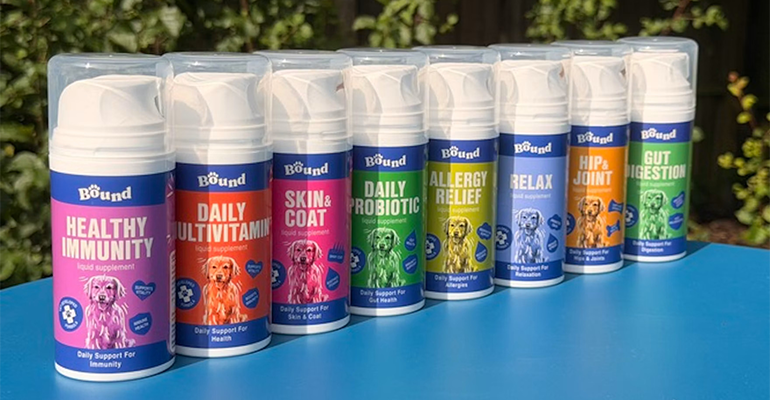
Pump-based liquid pet supplement focuses on health and convenience
8 Sep 2026
Prefera Pet Food uses a plastic pump-based packaging to make administering its liquid supplements for cats and dogs easier, healthier, and more accurate.
Read more
Health and wellness engagement matures across Middle East and Africa
4 Sep 2026
Many consumers in the Middle East and Africa are now proactively engaged in health and wellness, looking to integrate better habits and products into their daily lives, say experts.
Read more
Kellogg accelerates work to remove artificial colours from all US cereals
3 Sep 2026
WK Kellogg has announced an accelerated timeline to eliminate all artificial colours and the chemical preservative, BHT, across its full US portfolio of cereals and cereal packaging.
Read more
Royal Canin launches ‘freshly-cooked’ therapeutic dog food
1 Sep 2026
Mars-owned Royal Canin has moved into the therapeutic diet sector with the launch of its Fresh Veterinary Diets range for dogs with health conditions. We asked a veterinary nutritionist for her opinion.
Read more
‘Urgent gaps’ in achieving 2030 food system goals
27 Aug 2026
Global food systems are failing to meet 2030 targets across indicators including health, environment, and resilience, according to a report co-authored by the Food and Agriculture Organisation (FAO).
Read more
Seven-Eleven uses microbial testing tech to extend katsudon shelf life
26 Aug 2026
Japanese retail company Seven-Eleven has improved its factory’s microbial environment to keep comfort-food staple, katsudon, fresher for longer.
Read more
Chimac’s fusion sauces bring Korean flavours to Europe
25 Aug 2026
Irish sauce brand Chimac is tapping into Korea’s culinary traditions, bringing its flavours and products to European consumers who want a taste of K-food.
Read more
China beverages: Is herbal innovation the future?
20 Aug 2026
Herbal and botanical innovation in China's drinks market continues to grow, with ingredients like astragalus root, ginger, and ginseng in the spotlight – and focus shifting far beyond refreshment.
Read more