
Ingredients Categories
Finished Products
Finished Food Categories
- Bakery
- Beverages / Juices
- Cereal and grain products
- Confectionery
- Cooking Fats & Oils
- Dairy
- Egg products
- Fruits & Vegetables
- Infant & Baby food
- Meat, Poultry & Fish
- Nuts & Seeds products
- Other Finished Food Categories
- Pet Food
- Plant-based foods
- Prepared foods
- Sauces & Seasonings
- Sweet & Savoury Spreads
Specialised Finished Products
- Bee products
- Biotic products
- Dietary supplements
- Energy drinks
- Functional beverages
- Functional confectionery
- Functional food
- Functional powders
- Meal replacement products
- Nutricosmetics
- Other Specialised Finished Products
- Pet Dietary Supplements
- Pharma and OTC products
- Protein products
- Sugar replacers / Sweeteners
Health & Wellness Areas
Delivery Formats
Operations & Services
- 3D printing
- Analysis/ Testing
- Auditing & certifications
- Blending & mixing
- Bottling
- Certification
- Clinical trials
- Co-packing
- Coating
- Consulting
- Contract manufacturing
- Drying
- Electrospinning
- Encapsulating
- Enzymatic processing
- Extracting
- Extrusion
- Fat structuring
- Fermentation
- Filling
- Flavour development
- Freeze drying
- Granulating/ grinding/ milling / mixing
- High-pressure processing
- Labelling
- Other Operations & Services
- Packaging
- Packet filling
- Pasturising
- Quality assurance
- Saccharification
- Shear cell processing
- Spray drying
- Sterilisation
- Storage & Logistics
- Tabletting
- Toasting / roasting
- Ultra-high temperature processing
News
Low- and no-alcohol beverages see significant growth globally
Katja Knox, Editorial Account Manager 11 Apr 2022
Alcohol-free and low-alcohol beverages are helping drive growth for many alcohol manufacturers that have been struggling to adapt to the changing tastes of the market in recent years.
What used to be an annual phenomenon known as Dry January, a period when people around the world greeted the new year without alcohol, has morphed into a growing, year-round segment of the alcohol industry.
The beer, wine and spirits industry has seen its share of fads and trends over the years, but according to market trend analysis, interest in no-alcohol and low-alcohol beverages is poised for continued growth. Data from the research firm Nielsen showed that 66% of adults between 21-34 in the US are consciously reducing their overall alcohol consumption.
Less buzz, more growth
Not only are people saying they want to reduce their alcohol consumption, but buying patterns are reflecting this claim. Just in the US, sales of non-alcoholic beverages grew 33.2% between 2020 and 2021 to reach $331 million (€297.8 million) while low-alcohol sales grew 8.1% to $2.77 billion (€2.53 billion) during the same time period according to Nielsen data cited by Forbes. Despite these large jumps, the household penetration of these beverages hovers at 5% and is dwarfed by the $1 billion (€900 million) alcohol industry.
In Europe, the market for no- and low-alcohol drinks sat at €5.9 billion in 2018. However, research from the consulting company Zenith found that the segment is expected to grow at 10% per year to reach €9.3 billion by 2023. Germany, Russia, Spain and the UK were singled out as key markets for the growth of these products. Western Europe in general was the dominant region for these beverages.
As a microcosm of the overall phenomenon, Dry January alone has seen increased interest from consumers. In a study done by the market research firm Morning Consult, the number of US adults avoiding alcohol during the month of January grew from 11% in 2020 to 13% in 2021. That figure ticked up to 19% this year.
In the UK, where this campaign was created in 2013 by Alcohol Change UK to raise money for alcohol abuse and treatment, the number of participants rose from 4,000 in 2013 to approximately 130,000 people in 2021, according to the Society for the Study of Addiction.
However, despite the growing interest in these beverages, data from Euromonitor International reported by Reuters showed that, following four years of 9% average annual growth, global non-alcohol beer sales fell 4.6% in 2020 to $11.6 billion (€10.4 billion). Nevertheless, alcohol manufacturers remain interested in gaining a foothold in the space.
From 0.0% beer to 'spiritless' liquor
Although Nielsen data found that non-alcoholic beer currently makes up 0.7% of total beer sales in the US, this is a growing figure. Brewers worldwide are jumping at the chance to attract consumers — beer sales have declined in recent years as consumers search for alternatives like hard seltzers. Heineken, the world's second-largest brewer, has Heineken 0.0. Anheuser-Busch InBev, which is the largest brewer in the US, launched a zero version of its Budweiser lager.
With such a small percentage of the beer market occupied by zero-alcohol choices but a large interest in these products, the US presents manufacturers with a prime opportunity for growth.
In comparison to the US, Japan’s market for zero-alcohol beer represented 5% of total beer sales in 2019, but by 2021, experts at Mintel forecast that market share to increase by 7% year over year. Europe has an even larger share and represents nearly three-quarters of the non-alcoholic beer consumed globally, according to market research company insightSLICE cited by Reuters.
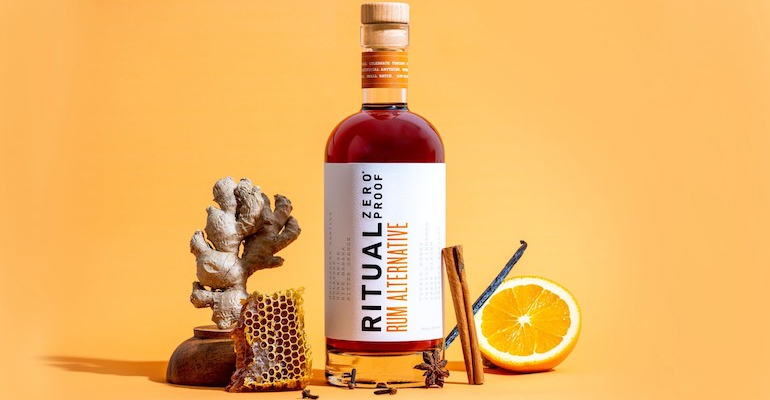
Similarly, there has been a rise in spirit-less liquors like Seedlip out of the UK or Ritual from the US. Even beverage companies that have traditionally been uninvolved in the alcohol space are dipping their toes in to attract consumers that are looking for non-alcoholic adult beverages. Coca-Cola launched premium mixers and Mountain Dew unveiled a new hard seltzer line.

Get more of our news on Google
Set Ingredients Network as a 'Preferred Source' to get quicker access to the news you value.
Related news

Do the US dietary guidelines put UPFs under pressure?
10 Sep 2026
Will the US dietary guidelines change the way Americans eat, swapping ultra-processed foods for whole foods? We asked Dr Barry Popkin, renowned nutrition and obesity researcher.
Read more
Food fraud costs UK economy £2bn each year
9 Sep 2026
Food fraud is costing the UK economy up to £2 billion (€2.3 billion) every year although the food sector is more “resilient” than others, according to a recent study.
Read more
Skimpflation: An ‘unfair’ and risky approach to keeping prices low
2 Sep 2026
Consumers see skimpflation – reducing the quality of ingredients due to rising costs – as more unfair than shrinkflation, making it a risky strategy according to recent research.
Read more
NielsenIQ’s EU barometer shows Britain leading in grocery inflation
31 Aug 2026
Britain was the only country to record grocery inflation above 2%, according to NielsenIQ data that compared Europe’s five biggest grocery markets from February to May 2026.
Read more
‘Urgent gaps’ in achieving 2030 food system goals
27 Aug 2026
Global food systems are failing to meet 2030 targets across indicators including health, environment, and resilience, according to a report co-authored by the Food and Agriculture Organisation (FAO).
Read more
China beverages: Is herbal innovation the future?
20 Aug 2026
Herbal and botanical innovation in China's drinks market continues to grow, with ingredients like astragalus root, ginger, and ginseng in the spotlight – and focus shifting far beyond refreshment.
Read more
Popular barbecue staples experience sharp price increases
19 Aug 2026
The typical cost of US shoppers’ barbecue baskets has risen by 12% over the past year – the fastest annual rise in a decade, figures from The Economist show.
Read more
Beyond 'nice to have': A spotlight on US functional beverages
12 Aug 2026
Functional beverage interest in the US is gaining important ground as consumers now expect function rather than see it as "nice to have", and there are clear market gaps for growth, according to Spate.
Read more
Manam Chocolate aims to bring premium Indian cacao to 'the world stage'
11 Aug 2026
Craft chocolate brand Manam Chocolate is investing in local expansion and supply chain innovation throughout India as it works to build out the premium reputation of its locally produced cacao products.
Read more
Digital twin technology gains ground in food manufacturing
6 Aug 2026
Food and beverage companies are increasingly turning to digital twins to optimise and automate manufacturing processes, but opportunities stretch far beyond this, say experts.
Read more