
Ingredients Categories
Finished Products
Finished Food Categories
- Bakery
- Beverages / Juices
- Cereal and grain products
- Confectionery
- Cooking Fats & Oils
- Dairy
- Egg products
- Fruits & Vegetables
- Infant & Baby food
- Meat, Poultry & Fish
- Nuts & Seeds products
- Other Finished Food Categories
- Pet Food
- Plant-based foods
- Prepared foods
- Sauces & Seasonings
- Sweet & Savoury Spreads
Specialised Finished Products
- Bee products
- Biotic products
- Dietary supplements
- Energy drinks
- Functional beverages
- Functional confectionery
- Functional food
- Functional powders
- Meal replacement products
- Nutricosmetics
- Other Specialised Finished Products
- Pet Dietary Supplements
- Pharma and OTC products
- Protein products
- Sugar replacers / Sweeteners
Health & Wellness Areas
Delivery Formats
Operations & Services
- 3D printing
- Analysis/ Testing
- Auditing & certifications
- Blending & mixing
- Bottling
- Certification
- Clinical trials
- Co-packing
- Coating
- Consulting
- Contract manufacturing
- Drying
- Electrospinning
- Encapsulating
- Enzymatic processing
- Extracting
- Extrusion
- Fat structuring
- Fermentation
- Filling
- Flavour development
- Freeze drying
- Granulating/ grinding/ milling / mixing
- High-pressure processing
- Labelling
- Other Operations & Services
- Packaging
- Packet filling
- Pasturising
- Quality assurance
- Saccharification
- Shear cell processing
- Spray drying
- Sterilisation
- Storage & Logistics
- Tabletting
- Toasting / roasting
- Ultra-high temperature processing
News
Manufacturing businesses with sustainable practices ‘attract higher investment’
Natasha Spencer-Jolliffe, Freelance Journalist 11 Jun 2025Manufacturing businesses that adopt sustainable practices are worth more than those that fail to do so, attracting investors to pay a premium, research suggests.
Manufacturers that invest in environmentally friendly approaches across their production environments and supply chain receive, on average, 69% higher pre-money valuation than those without such practices, insights from chartered accountancy firm Price Bailey and data provider Beauhurst reveal.
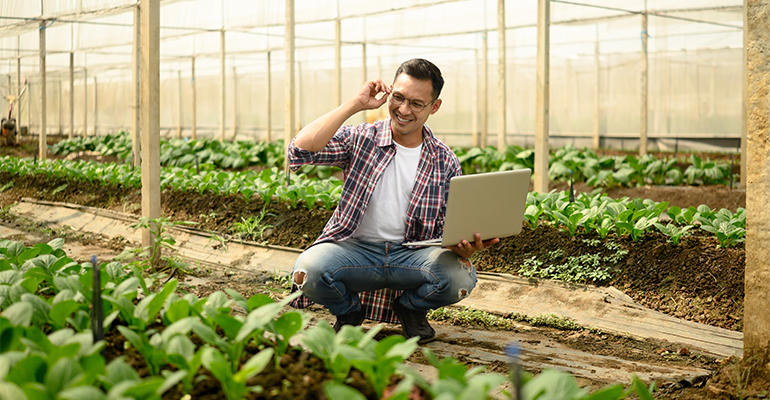
According to Price Bailey, manufacturers that demonstrate environmental consciousness reached, on average, $37 million (£27.5m) in pre-money valuation, compared with the $18 million (£13.4m) achieved for those without.
“Despite recent Atlantic headwinds, the last 25 years shows that sustainability is an essential part of a business strategy for manufacturers who wish to run a premium business model,” said Chand Chudasama, partner and strategic corporate finance expert at Price Bailey.
Environmental efforts equal economic value
Sustainability appears to elevate a manufacturer’s value considerably. The findings indicate that eco credentials increase the worth of a business by more than two-thirds, demonstrating the strength and significance of sustainability stances and strategies.
In 2023, a PwC survey found that more than one-third (37%) of private equity respondents rejected potential deals because of environmental, social, and governance (ESG) concerns.
Furthermore, a report by consulting firm Bain & Company showed that 93% of limited partners would have a translation if it raised any ESG issues.
“There are real cost savings available to businesses who engage in more sustainable business activities, as well as tax incentives and alternative funding streams,” said Chudasama. “These factors support growth and lower the risks to investors, which we are seeing feed into investor interest, bolstering valuations.”
The data gathered by Beauhurst signals that actively backing sustainable approaches is good for the environment, satisfies consumer demands, and elevates a company’s financial worth and position.
Food and beverage (F&B) producers may amplify this value throughout their supply chains. Committing to sustainable practices within food production is a core approach that reflects growing consumer awareness and demands for environmentally conscious products, brands, and supply chains.
Evaluating environmental signals and risk
Manufacturers often use various descriptions, sectors, and buzzwords to indicate their sustainability stance.
Using five environmental signals, Price Bailey and Beauhurst reviewed these to identify whether a company operated in environmental spaces, such as clean and renewable energy, green transport, green infrastructure and building, sustainable agriculture and food production.
They also explored whether these manufacturers had received any environmental achievements or notable mentions of their sustainable progress.
Furthermore, investing in sustainability suggests a risk reduction. Price Bailey’s research found that those manufacturing companies exploring environmental goals had lower risk signals.
Analysing how likely manufacturers investing in environmentally friendly practices would become inactive, the research also investigated liquidation and insolvency, downround, county court judgements, and short runways.
Price Bailey identified the risk signal for liquidation/insolvency and downround was 4%, receiving a county court judgement 3%, and a short runway 2%.
Growing acquisitions in green eating space
Global food systems are responsible for more than one-quarter (26%) of greenhouse gas (GHG) emissions. Rethinking and transforming how we grow, manufacture, and transport food is key to combating climate change.
Notable acquisitions relating to the environmentally friendly sector have shown that sustainable investment is a priority among F&B companies.
Merger and acquisition (M&A) specialist MCF Corporate Finance has noted how 2024 was an “improved environment” for food, beverage and agriculture M&As in Europe. Heightened interest in these transactions drove a 51.1% increase in volumes in 2024, totalling 642 deals compared with 425 in 2023.
International law firm Baker McKenzie expects deals within F&B to rebound in 2025, with sustainable investments expected to gather pace through ESG acquisitions.
F&B brands should focus on improving their transparency, ethical sourcing, and recyclability.
Smaller brands should concentrate on high-growth areas like health and wellness, premium foods, and snacks, including plant-based meat alternatives and functional drinks, which are anticipated to attract investors to engage in acquisitions and divestitures.
On the smaller end of the F&B investment scale was meal replacement retailer Huel, which received $27 million (£20m), driven by Highland Europe and celebrity supporters. The brand advocates fast, nutritious, complete food and supports healthy diets with low carbon footprints and agricultural development in Sierra Leone.

Get more of our news on Google
Set Ingredients Network as a 'Preferred Source' to get quicker access to the news you value.
Related news

Do the US dietary guidelines put UPFs under pressure?
10 Sep 2026
Will the US dietary guidelines change the way Americans eat, swapping ultra-processed foods for whole foods? We asked Dr Barry Popkin, renowned nutrition and obesity researcher.
Read more
Food fraud costs UK economy £2bn each year
9 Sep 2026
Food fraud is costing the UK economy up to £2 billion (€2.3 billion) every year although the food sector is more “resilient” than others, according to a recent study.
Read more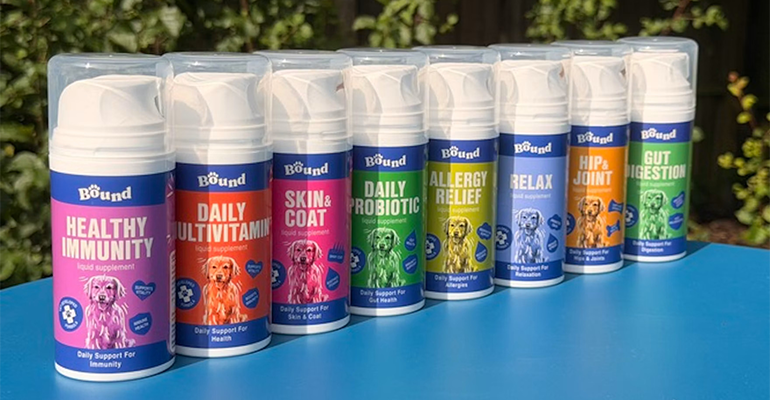
Pump-based liquid pet supplement focuses on health and convenience
8 Sep 2026
Prefera Pet Food uses a plastic pump-based packaging to make administering its liquid supplements for cats and dogs easier, healthier, and more accurate.
Read more
Health and wellness engagement matures across Middle East and Africa
4 Sep 2026
Many consumers in the Middle East and Africa are now proactively engaged in health and wellness, looking to integrate better habits and products into their daily lives, say experts.
Read more
Kellogg accelerates work to remove artificial colours from all US cereals
3 Sep 2026
WK Kellogg has announced an accelerated timeline to eliminate all artificial colours and the chemical preservative, BHT, across its full US portfolio of cereals and cereal packaging.
Read more
Royal Canin launches ‘freshly-cooked’ therapeutic dog food
1 Sep 2026
Mars-owned Royal Canin has moved into the therapeutic diet sector with the launch of its Fresh Veterinary Diets range for dogs with health conditions. We asked a veterinary nutritionist for her opinion.
Read more
‘Urgent gaps’ in achieving 2030 food system goals
27 Aug 2026
Global food systems are failing to meet 2030 targets across indicators including health, environment, and resilience, according to a report co-authored by the Food and Agriculture Organisation (FAO).
Read more
Seven-Eleven uses microbial testing tech to extend katsudon shelf life
26 Aug 2026
Japanese retail company Seven-Eleven has improved its factory’s microbial environment to keep comfort-food staple, katsudon, fresher for longer.
Read more
Chimac’s fusion sauces bring Korean flavours to Europe
25 Aug 2026
Irish sauce brand Chimac is tapping into Korea’s culinary traditions, bringing its flavours and products to European consumers who want a taste of K-food.
Read more
China beverages: Is herbal innovation the future?
20 Aug 2026
Herbal and botanical innovation in China's drinks market continues to grow, with ingredients like astragalus root, ginger, and ginseng in the spotlight – and focus shifting far beyond refreshment.
Read more