
Ingredients Categories
Finished Products
Finished Food Categories
- Bakery
- Beverages / Juices
- Cereal and grain products
- Confectionery
- Cooking Fats & Oils
- Dairy
- Egg products
- Fruits & Vegetables
- Infant & Baby food
- Meat, Poultry & Fish
- Nuts & Seeds products
- Other Finished Food Categories
- Pet Food
- Plant-based foods
- Prepared foods
- Sauces & Seasonings
- Sweet & Savoury Spreads
Specialised Finished Products
- Bee products
- Biotic products
- Dietary supplements
- Energy drinks
- Functional beverages
- Functional confectionery
- Functional food
- Functional powders
- Meal replacement products
- Nutricosmetics
- Other Specialised Finished Products
- Pet Dietary Supplements
- Pharma and OTC products
- Protein products
- Sugar replacers / Sweeteners
Health & Wellness Areas
Delivery Formats
Operations & Services
- 3D printing
- Analysis/ Testing
- Auditing & certifications
- Blending & mixing
- Bottling
- Certification
- Clinical trials
- Co-packing
- Coating
- Consulting
- Contract manufacturing
- Drying
- Electrospinning
- Encapsulating
- Enzymatic processing
- Extracting
- Extrusion
- Fat structuring
- Fermentation
- Filling
- Flavour development
- Freeze drying
- Granulating/ grinding/ milling / mixing
- High-pressure processing
- Labelling
- Other Operations & Services
- Packaging
- Packet filling
- Pasturising
- Quality assurance
- Saccharification
- Shear cell processing
- Spray drying
- Sterilisation
- Storage & Logistics
- Tabletting
- Toasting / roasting
- Ultra-high temperature processing
News
Brands should partner to recategorise their UPF products
Natasha Spencer-Jolliffe, Freelance Journalist 22 Jan 2026Processed brands should strive to shift their products from NOVA group 4 to NOVA 3 wherever possible,” says the president of The Non-UPF Program.
Increasingly, UPFs make up a significant part of the global food supply. UPFs now account for the majority of energy intake in some countries. UPFs account for almost 75% of the US food supply, for instance, with more than 60% of the calories the average American child consumes coming from UPFs.
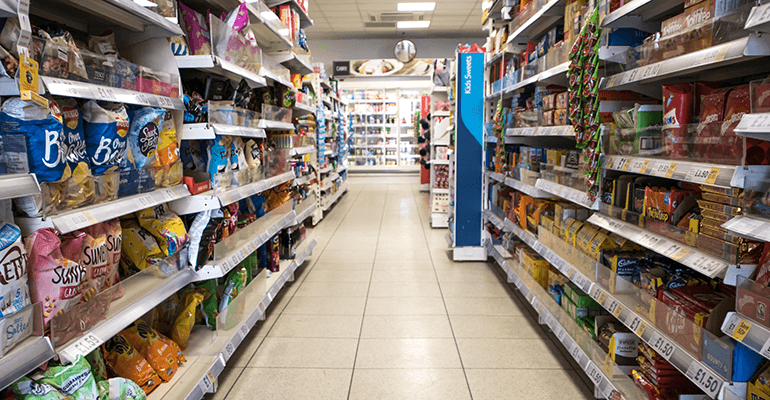
“Global food systems must recognise that the rapid rise of UPFs is not a neutral dietary shift, but a documented displacement of long-established eating patterns built around fresh and minimally processed foods, and cultural staples,” Melissa Halas, president of The Non-UPF Program, told Ingredients Network.
UPFs displace whole foods, fibre, phytonutrients, water content, food matrix effects and satiety properties. By contrast, minimally processed foods naturally integrate these beneficial features without requiring complex processing or additives. What is needed?
“A food system reform that privileges minimally processed foods supports both better dietary quality and meaningful public understanding of food choices,” said Halas.
Reducing UPFs and winning customers
The big challenge for manufacturers and marketers is how to reduce UPFs in their portfolios while still appealing to consumers.
“Collaborate with those bringing awareness,” Halas said. Cross-sector collaboration to educate manufacturers and drive change is at the core of communicating UPFs in a way that appeals to consumers and helps overcome misunderstandings among manufacturers.
Shoppers want snacks made with real ingredients, minimally processed staples, regenerative agriculture practices, less packaging waste and support for farmers.
“Consumers are growing increasingly distrustful of engineered foods and unclear labels,” Halas added.
Numerous countries and institutions are moving to include UPF reduction in their dietary guidelines. “This isn’t about perfection; it’s about partnering to shift foods from NOVA 4 to NOVA 3 wherever possible, and elevating whole foods and minimally processed culinary staples,” Halas added.
Using the NOVA classification system, scientists categorise foods by how much they have been processed. Groups 1-3 recognise products that are unprocessed/minimally processed, processed culinary ingredients, and processed, respectively. Group 4 represents UPFs.
Calling for a system change
To change the prevalence UPFs have in our global food systems, leaders, initiatives and food and beverage players need to understand eating habits and the influences that shape them, according to Halas.
“Our whole system needs to change, to reassert the value of minimally processed and whole foods and redesign environments so those foods are the default, affordable and transparent choices,” Halas added.
The Non-UPF Program certification scheme was extended to the entire industry in November 2025. The programme aims to create transparency and flip the current norm, encouraging shoppers to fill 70% of their carts with whole and minimally processed foods, rather than ultra-processed ones, through certification, education and collaboration.
“Currently, our food systems structurally incentivise UPFs,” said Halas.
According to the World Bank’s 2025 report on Reshaping the Agrifood Sector for Healthier Diets, agrifood public support is heavily skewed toward commodities such as grains, meats and sugar. In turn, these raw materials drive UPF production.
Front-of-pack labels to warn about UPFs?
Adopting labels that indicate the presence of food substitutes is a consideration. “Prioritising a nutrient label or slight reformulation does not address the core concern, which is the pervasive industrial processing that replaces real food with engineered substitutes,” Halas said. “We need front-of-label warnings for sugar, sodium and saturated fat.”
Promotional and marketing activities that stop promoting flavour and shelf life, which often mask poor-quality ingredients through additives and industrial processes, are a main priority for the Non-UPF Program. A new approach that reflects this is especially important when creating products marketed towards children.
“We want transparent, processing-based classification systems built on NOVA to help consumers understand the difference between UPF and non-UPF foods,” said Halas.

Get more of our news on Google
Set Ingredients Network as a 'Preferred Source' to get quicker access to the news you value.
Related news

Do the US dietary guidelines put UPFs under pressure?
10 Sep 2026
Will the US dietary guidelines change the way Americans eat, swapping ultra-processed foods for whole foods? We asked Dr Barry Popkin, renowned nutrition and obesity researcher.
Read more
Health and wellness engagement matures across Middle East and Africa
4 Sep 2026
Many consumers in the Middle East and Africa are now proactively engaged in health and wellness, looking to integrate better habits and products into their daily lives, say experts.
Read more
Skimpflation: An ‘unfair’ and risky approach to keeping prices low
2 Sep 2026
Consumers see skimpflation – reducing the quality of ingredients due to rising costs – as more unfair than shrinkflation, making it a risky strategy according to recent research.
Read more
‘Urgent gaps’ in achieving 2030 food system goals
27 Aug 2026
Global food systems are failing to meet 2030 targets across indicators including health, environment, and resilience, according to a report co-authored by the Food and Agriculture Organisation (FAO).
Read more
Seven-Eleven uses microbial testing tech to extend katsudon shelf life
26 Aug 2026
Japanese retail company Seven-Eleven has improved its factory’s microbial environment to keep comfort-food staple, katsudon, fresher for longer.
Read more
Chimac’s fusion sauces bring Korean flavours to Europe
25 Aug 2026
Irish sauce brand Chimac is tapping into Korea’s culinary traditions, bringing its flavours and products to European consumers who want a taste of K-food.
Read more
Global demand for instant noodles continues to rise
24 Aug 2026
Global demand for instant noodles reached 124.21 billion servings last year, representing a 0.7% year-on-year increase – or 900 million extra servings.
Read more
Popular barbecue staples experience sharp price increases
19 Aug 2026
The typical cost of US shoppers’ barbecue baskets has risen by 12% over the past year – the fastest annual rise in a decade, figures from The Economist show.
Read more
Hot NPD: Nissin launches first cold-water Cup Noodles
18 Aug 2026
Nissin is taking one of Japan’s most iconic instant meals in a completely new direction with the launch of the first cold water-only Cup Noodles in the brand’s 55-year history.
Read more
Manam Chocolate aims to bring premium Indian cacao to 'the world stage'
11 Aug 2026
Craft chocolate brand Manam Chocolate is investing in local expansion and supply chain innovation throughout India as it works to build out the premium reputation of its locally produced cacao products.
Read more