
Ingredients Categories
Finished Products
Finished Food Categories
- Bakery
- Beverages / Juices
- Cereal and grain products
- Confectionery
- Cooking Fats & Oils
- Dairy
- Egg products
- Fruits & Vegetables
- Infant & Baby food
- Meat, Poultry & Fish
- Nuts & Seeds products
- Other Finished Food Categories
- Pet Food
- Plant-based foods
- Prepared foods
- Sauces & Seasonings
- Sweet & Savoury Spreads
Specialised Finished Products
- Bee products
- Biotic products
- Dietary supplements
- Energy drinks
- Functional beverages
- Functional confectionery
- Functional food
- Functional powders
- Meal replacement products
- Nutricosmetics
- Other Specialised Finished Products
- Pet Dietary Supplements
- Pharma and OTC products
- Protein products
- Sugar replacers / Sweeteners
Health & Wellness Areas
Delivery Formats
Operations & Services
- 3D printing
- Analysis/ Testing
- Auditing & certifications
- Blending & mixing
- Bottling
- Certification
- Clinical trials
- Co-packing
- Coating
- Consulting
- Contract manufacturing
- Drying
- Electrospinning
- Encapsulating
- Enzymatic processing
- Extracting
- Extrusion
- Fat structuring
- Fermentation
- Filling
- Flavour development
- Freeze drying
- Granulating/ grinding/ milling / mixing
- High-pressure processing
- Labelling
- Other Operations & Services
- Packaging
- Packet filling
- Pasturising
- Quality assurance
- Saccharification
- Shear cell processing
- Spray drying
- Sterilisation
- Storage & Logistics
- Tabletting
- Toasting / roasting
- Ultra-high temperature processing
News
Hybrid milk and cheese: The perfect blend of familiarity and low footprints?
David Burrows, Freelance Journalist 4 Feb 2026Hybrid blends of dairy and plant-based milk and cheese may be emerging as a credible growth space, according to experts.
Mintel data shows strong interest in dairy-plant blends, with decent numbers of French (42%) and UK (27%) consumers saying they are appealing, as well as 56% of Irish consumers who eat cheese.
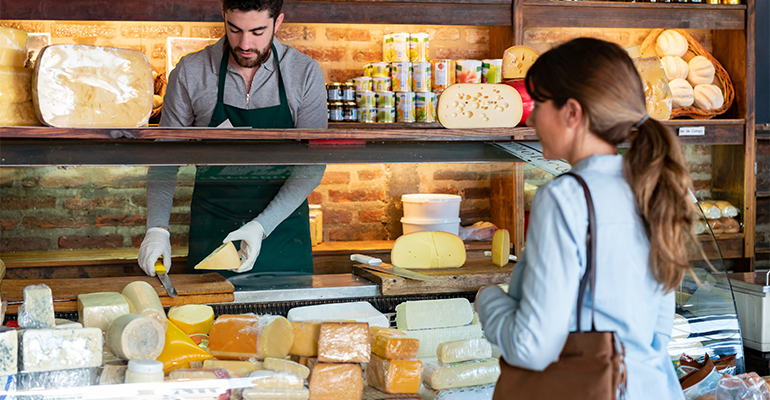
However, the number of launches remains low and have been hit-and-miss with shoppers so far. In the UK, the Smug range of hybrid dairy products has gradually been delisted from major supermarkets after just 18 months. The Kerry Dairy-owned brand will be back this year, the website suggests, but the focus will be on dairy.
“We’ve been slowly stepping out of stores as we say goodbye to the hybrid dairy category,” a statement on the website in December read. “It’s been a wild ride but it’s time for a fresh start, and we’re making way for something new, that is still outrageously tasty, packed with benefits, full-on dairy, yet so unmistakably Smug.”
Albert Heijn embraces ‘high-volume climate impact’of hybrids
There are nevertheless reasons to be optimistic about the potential of hybrid dairy-plant-based blends.
In the Netherlands, the supermarket, Albert Heijn, is going big on blends in a bid to reduce its greenhouse gas emissions. Dairy generates considerable amounts of methane, a powerful greenhouse gas, so making hybrids mainstream is a fast way to help reduce these.
“Albert Heijn immediately understood the potential for high-volume climate impact, and milk is seen as the ‘DNA of dairy’,” Jakob Skovgaard, co-founder and CEO of PlanetDairy, told Ingredients Network. “Actually we went to Albert Heijn to sell our cheese first and discussed the full transition of the dairy shelf. They wanted to start with milk,” he added.
PlanetDairy, from Denmark, and Dutch firm Farm Dairy have introduced a three-strong lineup of ‘hybrid milks’ into supermarkets; these combine cow’s milk with plant proteins to deliver a reported 20-30% reduction in greenhouse gas emissions.
Priced at €1.29, it is equal to Albert Heijn’s regular private-label dairy milk, cheaper than organic milk, and “well below” most oat or almond milk, according to Skovgaard.
“Keeping the product mainstream and affordable was a core requirement from day one,” he said. “Some plant-based milks have been positioned at a premium price, but a lot of promotional activity is starting to happen and private label versions have come out. Generally they are probably cheaper than hybrid or real milk,” he added.
Taste familiarity is the trump card for these hybrids as they compete with cow’s milk and their non-dairy cousins. “Consumers want the creaminess and mouthfeel they associate with dairy, and a blend gives them that reassurance while introducing the perceived health and ethical benefits of plant ingredients,” Bayard told Ingredients Network.
Achieving this is not easy, though. PlanetDairy went through a number of prototypes for example to perfect their cheeses and ‘milks’. “With cheese, the challenge is functionality [so things like] meltability and stretch,” Skovgaard explained. “With milk, the challenge is taste, colour, nutrition, and price – simultaneously. The product needed to look, taste, and behave exactly like milk consumers know.”
Chasing more cheese sales
In November, the company strengthened its innovation capabilities after acquiring selected production equipment and technical know-how from Stockholm-based Stockeld Dreamery (which ceased operations).
Founded in Stockholm as Noquo Foods, Stockeld Dreamery raised $20m and launched a range of plant-based cream cheeses and sliced cheeses, available in around 500 outlets across the US. There was success initially but declining demand in recent years proved too much.
“We find that flexitarians are no longer focused on replacing dairy or meat – they’re happy with traditional dairy, which they find tasty, affordable, and healthy,” said Stockeld co-founder and CEO Sorosh Tavakoli.
Skovgaard said sustainability might be the reason food retailers buy into blended dairy products but consumers “expect the same dairy experience with lower emissions”.
“This acquisition allows us to combine Stockeld’s expertise with our own R&D to deliver just that,” he said.
In Denmark, the company’s Audu brand recently had a facelift following confusion from consumers over whether it was a vegan cheese. The cheese is also now simply called ‘PlanetDairy’.
“We have also taken the opportunity to improve our recipe which results in even more carbon reduction – now over 40% lower than traditional cheese, and with lower saturated fat,” explained Paul Cornillon, co-founder and chief research and development officer.

Get more of our news on Google
Set Ingredients Network as a 'Preferred Source' to get quicker access to the news you value.
Related news

Do the US dietary guidelines put UPFs under pressure?
10 Sep 2026
Will the US dietary guidelines change the way Americans eat, swapping ultra-processed foods for whole foods? We asked Dr Barry Popkin, renowned nutrition and obesity researcher.
Read more
Food fraud costs UK economy £2bn each year
9 Sep 2026
Food fraud is costing the UK economy up to £2 billion (€2.3 billion) every year although the food sector is more “resilient” than others, according to a recent study.
Read more
Skimpflation: An ‘unfair’ and risky approach to keeping prices low
2 Sep 2026
Consumers see skimpflation – reducing the quality of ingredients due to rising costs – as more unfair than shrinkflation, making it a risky strategy according to recent research.
Read more
NielsenIQ’s EU barometer shows Britain leading in grocery inflation
31 Aug 2026
Britain was the only country to record grocery inflation above 2%, according to NielsenIQ data that compared Europe’s five biggest grocery markets from February to May 2026.
Read more
‘Urgent gaps’ in achieving 2030 food system goals
27 Aug 2026
Global food systems are failing to meet 2030 targets across indicators including health, environment, and resilience, according to a report co-authored by the Food and Agriculture Organisation (FAO).
Read more
China beverages: Is herbal innovation the future?
20 Aug 2026
Herbal and botanical innovation in China's drinks market continues to grow, with ingredients like astragalus root, ginger, and ginseng in the spotlight – and focus shifting far beyond refreshment.
Read more
Popular barbecue staples experience sharp price increases
19 Aug 2026
The typical cost of US shoppers’ barbecue baskets has risen by 12% over the past year – the fastest annual rise in a decade, figures from The Economist show.
Read more
Beyond 'nice to have': A spotlight on US functional beverages
12 Aug 2026
Functional beverage interest in the US is gaining important ground as consumers now expect function rather than see it as "nice to have", and there are clear market gaps for growth, according to Spate.
Read more
Manam Chocolate aims to bring premium Indian cacao to 'the world stage'
11 Aug 2026
Craft chocolate brand Manam Chocolate is investing in local expansion and supply chain innovation throughout India as it works to build out the premium reputation of its locally produced cacao products.
Read more
Digital twin technology gains ground in food manufacturing
6 Aug 2026
Food and beverage companies are increasingly turning to digital twins to optimise and automate manufacturing processes, but opportunities stretch far beyond this, say experts.
Read more