
Ingredients Categories
Finished Products
Finished Food Categories
- Bakery
- Beverages / Juices
- Cereal and grain products
- Confectionery
- Cooking Fats & Oils
- Dairy
- Egg products
- Fruits & Vegetables
- Infant & Baby food
- Meat, Poultry & Fish
- Nuts & Seeds products
- Other Finished Food Categories
- Pet Food
- Plant-based foods
- Prepared foods
- Sauces & Seasonings
- Sweet & Savoury Spreads
Specialised Finished Products
- Bee products
- Biotic products
- Dietary supplements
- Energy drinks
- Functional beverages
- Functional confectionery
- Functional food
- Functional powders
- Meal replacement products
- Nutricosmetics
- Other Specialised Finished Products
- Pet Dietary Supplements
- Pharma and OTC products
- Protein products
- Sugar replacers / Sweeteners
Health & Wellness Areas
Delivery Formats
Operations & Services
- 3D printing
- Analysis/ Testing
- Auditing & certifications
- Blending & mixing
- Bottling
- Certification
- Clinical trials
- Co-packing
- Coating
- Consulting
- Contract manufacturing
- Drying
- Electrospinning
- Encapsulating
- Enzymatic processing
- Extracting
- Extrusion
- Fat structuring
- Fermentation
- Filling
- Flavour development
- Freeze drying
- Granulating/ grinding/ milling / mixing
- High-pressure processing
- Labelling
- Other Operations & Services
- Packaging
- Packet filling
- Pasturising
- Quality assurance
- Saccharification
- Shear cell processing
- Spray drying
- Sterilisation
- Storage & Logistics
- Tabletting
- Toasting / roasting
- Ultra-high temperature processing
News
Mood and brain health top of mind for US consumers
NBJ Staff reporter 18 Sep 2024There is strong growth for cognitive and mental health supplements in the US, according to a Nutrition Business Journal (NBJ) report that examines growth prospects for 22 specific health conditions.

“It’s all in your head” is not something anybody wants to hear when they are facing a challenge, but the phrase could come to mind when supplement industry executives look at the fastest-growing condition categories in Nutrition Business Journal’s 2024 Condition Specific Report.
Mood and mental health and brain health emerged as the second- and third-fastest growing condition categories in supplements in 2023, with even better growth forecast for 2024.
For mood and mental health, it’s not clear whether people are more stressed and emotionally challenged or if they are just more open to doing something about it, but the U.S. market has transformed over the past five years, growing from $1.02 billion in 2019 to $1.53 billion in 2023. In 2026, NBJ expects a market just short of $2 billion.
Much of the growth that took the market to such heights came during the COVID-19 pandemic, when a worried nation drove 22% growth in mood and mental health supplement sales, but the 6.9% growth seen in 2023 is behind only fitness and energy in NBJ’s report. In 2024, NBJ expects sales to rise by 7.3%.
Brain health took the third-fastest spot in 2023, according to NBJ estimates, and looks to move into first in 2024, with growth accelerating from 6.3% to 7.7%. The growth brings the 2023 market to $1.21 billion, a 28% increase over five years. NBJ expects the market to grow another 37.6% by 2026, when projections call for a $1.67 billion market.
All of this happens as the market expands not just in size but in appeal across age groups. The traditional marketing targeted older consumers worried about loss of memory and cognitive function, but a fringe “neurohacker” movement aimed at enhancing healthy cognitive function has gone mainstream to attract younger consumers looking for a performance edge.
To learn how all 22 conditions stack up, get the NBJ 2024 Condition Specific Report.

Get more of our news on Google
Set Ingredients Network as a 'Preferred Source' to get quicker access to the news you value.
Related news

Do the US dietary guidelines put UPFs under pressure?
10 Sep 2026
Will the US dietary guidelines change the way Americans eat, swapping ultra-processed foods for whole foods? We asked Dr Barry Popkin, renowned nutrition and obesity researcher.
Read more
Food fraud costs UK economy £2bn each year
9 Sep 2026
Food fraud is costing the UK economy up to £2 billion (€2.3 billion) every year although the food sector is more “resilient” than others, according to a recent study.
Read more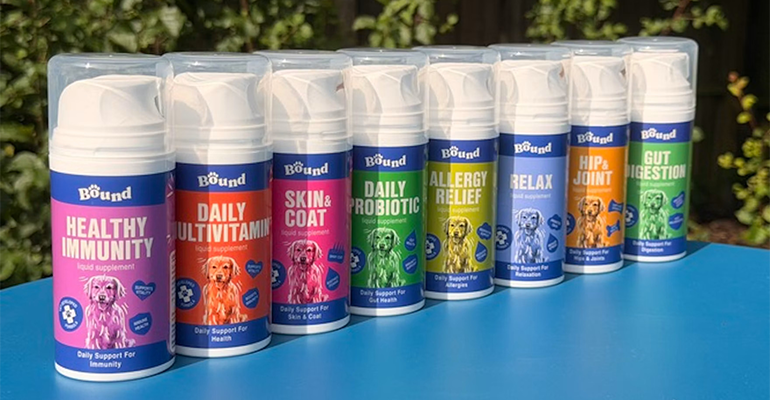
Pump-based liquid pet supplement focuses on health and convenience
8 Sep 2026
Prefera Pet Food uses a plastic pump-based packaging to make administering its liquid supplements for cats and dogs easier, healthier, and more accurate.
Read more
Health and wellness engagement matures across Middle East and Africa
4 Sep 2026
Many consumers in the Middle East and Africa are now proactively engaged in health and wellness, looking to integrate better habits and products into their daily lives, say experts.
Read more
Kellogg accelerates work to remove artificial colours from all US cereals
3 Sep 2026
WK Kellogg has announced an accelerated timeline to eliminate all artificial colours and the chemical preservative, BHT, across its full US portfolio of cereals and cereal packaging.
Read more
Royal Canin launches ‘freshly-cooked’ therapeutic dog food
1 Sep 2026
Mars-owned Royal Canin has moved into the therapeutic diet sector with the launch of its Fresh Veterinary Diets range for dogs with health conditions. We asked a veterinary nutritionist for her opinion.
Read more
‘Urgent gaps’ in achieving 2030 food system goals
27 Aug 2026
Global food systems are failing to meet 2030 targets across indicators including health, environment, and resilience, according to a report co-authored by the Food and Agriculture Organisation (FAO).
Read more
Seven-Eleven uses microbial testing tech to extend katsudon shelf life
26 Aug 2026
Japanese retail company Seven-Eleven has improved its factory’s microbial environment to keep comfort-food staple, katsudon, fresher for longer.
Read more
Chimac’s fusion sauces bring Korean flavours to Europe
25 Aug 2026
Irish sauce brand Chimac is tapping into Korea’s culinary traditions, bringing its flavours and products to European consumers who want a taste of K-food.
Read more
China beverages: Is herbal innovation the future?
20 Aug 2026
Herbal and botanical innovation in China's drinks market continues to grow, with ingredients like astragalus root, ginger, and ginseng in the spotlight – and focus shifting far beyond refreshment.
Read more