
Ingredients Categories
Finished Products
Finished Food Categories
- Bakery
- Beverages / Juices
- Cereal and grain products
- Confectionery
- Cooking Fats & Oils
- Dairy
- Egg products
- Fruits & Vegetables
- Infant & Baby food
- Meat, Poultry & Fish
- Nuts & Seeds products
- Other Finished Food Categories
- Pet Food
- Plant-based foods
- Prepared foods
- Sauces & Seasonings
- Sweet & Savoury Spreads
Specialised Finished Products
- Bee products
- Biotic products
- Dietary supplements
- Energy drinks
- Functional beverages
- Functional confectionery
- Functional food
- Functional powders
- Meal replacement products
- Nutricosmetics
- Other Specialised Finished Products
- Pet Dietary Supplements
- Pharma and OTC products
- Protein products
- Sugar replacers / Sweeteners
Health & Wellness Areas
Delivery Formats
Operations & Services
- 3D printing
- Analysis/ Testing
- Auditing & certifications
- Blending & mixing
- Bottling
- Certification
- Clinical trials
- Co-packing
- Coating
- Consulting
- Contract manufacturing
- Drying
- Electrospinning
- Encapsulating
- Enzymatic processing
- Extracting
- Extrusion
- Fat structuring
- Fermentation
- Filling
- Flavour development
- Freeze drying
- Granulating/ grinding/ milling / mixing
- High-pressure processing
- Labelling
- Other Operations & Services
- Packaging
- Packet filling
- Pasturising
- Quality assurance
- Saccharification
- Shear cell processing
- Spray drying
- Sterilisation
- Storage & Logistics
- Tabletting
- Toasting / roasting
- Ultra-high temperature processing
News
Plastic alternatives: The future of food packaging?
Rik Moors 16 Apr 2024With the retailers Carrefour and U-Group in Belgium, France, and Luxembourg set to package some private label yoghurt, juice and cheese products in cellulose-based packaging, Ingredients Network looks at the most promising food-grade alternatives to plastic.
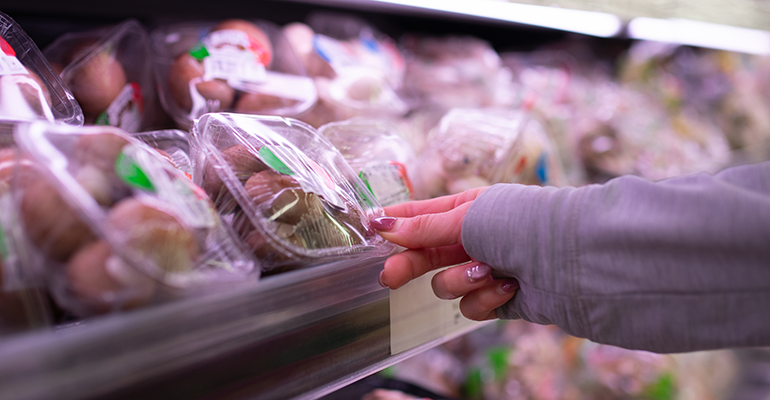
The €1.2 million EU project R3PACK (Reduce, Reuse, Rethink PACKaging) is one of the initiatives set up in the region to stimulate the development and uptake of novel fibre-based packaging solutions. The project has already triggered some tangible successes. By May 2025, customers of retailers Carrefour and U-Group in Belgium, France, and Luxembourg will be able to buy yoghurt, juice, biscuits, cheese, and other grocery products packaged entirely in plant-based material in thousands of stores. The retailers are set to launch a limited trial in 30-60 stores by the end of 2024, rolling out cellulose fibre packaging as an alternative to plastic packaging.
Combatting plastic waste
Run by (RE)SET, a Paris-based environmental consultancy, R3PACK is a three-year programme driven by the EU’s target of reducing plastic waste and promoting a circular economy. Plastic packaging waste remains a growing problem in the EU. The average European citizen generated 190 kg of packaging waste in 2021, amounting to a total of 84 million tonnes – up 24% in 10 years, according to Eurostat, the statistical office of the EU. Plastic material accounted for 19% of this waste by weight. While wood and paper packaging have driven much of the growth in packaging waste in recent years, the amount of plastic packaging waste increased by nearly 30% between 2010 and 2021.
And although recycling rates for plastic packaging have steadily improved to the point where all EU member states have met the 55% target, recovery rates for plastic lag those of other waste materials. The high costs of plastic waste to the environment in the form of water and air pollution, marine litter, resource depletion, and climate change therefore remain a rising concern.
Promising novel packaging options
The cellulose packaging trialled by R3PACK is among the more established and commercially viable recent alternatives to plastic packaging. It is not only durable and safe, but also relatively cost-effective. According to Wageningen University & Research, one of the key advantages of cellulose is its abundance within “side streams and residual flows of the agrifood industry” in the form of leaves and stems – but the raw material can also be collected from organic and textile consumer waste.
Mycelium-based packaging, grown from fungus on a substrate like wheat or sawdust, is another promising sustainable alternative. Grown in two to four weeks, this material is fully biodegradable, water resistant, fireproof, and much less carbon-intensive than plastics.
In recent years, several startups have demonstrated the possibility of commercialisation, such as the New York-based company Evocative, which launched ‘Myco-bond’ as a Styrofoam alternative. According to a 2018 article in Materials Today, obstacles to scaling up mycelium packaging production include the challenge of consistent density, logistical hurdles, and consumer perceptions.
Edible packaging on the rise
Mycelium and cellulose have both attracted a lot of attention and funding due to the versatility of the material, but there are also many other packaging options within the food and beverage space that are gaining momentum. Seaweed polysaccharides are biodegradable and non-toxic, but also have the additional benefit of their antioxidant property, allowing for edible and durable packaging. The startup NOTPLA has developed ‘edible blobs’ from seaweed containing substances like condiments and sports drinks. However, like many other ‘food contact materials’ packaging solutions, seaweed has some major drawbacks.
A 2021 review of seaweed polysaccharide as a packaging, film, and coating material in the journal foods noted that seaweed has significantly higher production costs, much more regulatory uncertainty, and the additional challenge of the potential for accumulation of toxic metals and hazardous compounds.
High production costs, regulatory uncertainty, and consumer hesitancy are also primary barriers that other innovative packing solutions in the food and beverage space have to overcome in order to scale up. Nonetheless, more and more innovative products like the dissolvable edible films produced from natural silk by ‘anti-waste company’ mori and plant-based produce ‘peel’ packaging from agri-tech startup Apeel are entering the packaging space, attracting funding and attention from retail partners. These packaging innovations indicate that no single alternative might emerge as the new plastic, with different sustainable options offering a good fit depending on the product, consumer preferences, and local supply chains.

Get more of our news on Google
Set Ingredients Network as a 'Preferred Source' to get quicker access to the news you value.
Related news

Do the US dietary guidelines put UPFs under pressure?
10 Sep 2026
Will the US dietary guidelines change the way Americans eat, swapping ultra-processed foods for whole foods? We asked Dr Barry Popkin, renowned nutrition and obesity researcher.
Read more
Food fraud costs UK economy £2bn each year
9 Sep 2026
Food fraud is costing the UK economy up to £2 billion (€2.3 billion) every year although the food sector is more “resilient” than others, according to a recent study.
Read more
Kellogg accelerates work to remove artificial colours from all US cereals
3 Sep 2026
WK Kellogg has announced an accelerated timeline to eliminate all artificial colours and the chemical preservative, BHT, across its full US portfolio of cereals and cereal packaging.
Read more
Skimpflation: An ‘unfair’ and risky approach to keeping prices low
2 Sep 2026
Consumers see skimpflation – reducing the quality of ingredients due to rising costs – as more unfair than shrinkflation, making it a risky strategy according to recent research.
Read more
‘Urgent gaps’ in achieving 2030 food system goals
27 Aug 2026
Global food systems are failing to meet 2030 targets across indicators including health, environment, and resilience, according to a report co-authored by the Food and Agriculture Organisation (FAO).
Read more
Seven-Eleven uses microbial testing tech to extend katsudon shelf life
26 Aug 2026
Japanese retail company Seven-Eleven has improved its factory’s microbial environment to keep comfort-food staple, katsudon, fresher for longer.
Read more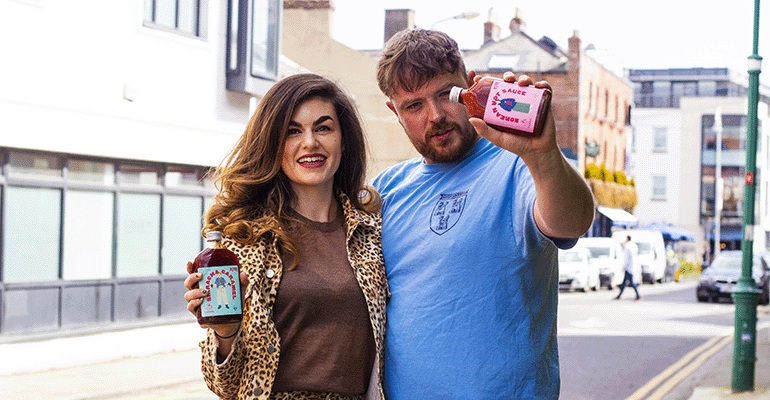
Chimac’s fusion sauces bring Korean flavours to Europe
25 Aug 2026
Irish sauce brand Chimac is tapping into Korea’s culinary traditions, bringing its flavours and products to European consumers who want a taste of K-food.
Read more
Global demand for instant noodles continues to rise
24 Aug 2026
Global demand for instant noodles reached 124.21 billion servings last year, representing a 0.7% year-on-year increase – or 900 million extra servings.
Read more
China beverages: Is herbal innovation the future?
20 Aug 2026
Herbal and botanical innovation in China's drinks market continues to grow, with ingredients like astragalus root, ginger, and ginseng in the spotlight – and focus shifting far beyond refreshment.
Read more
Popular barbecue staples experience sharp price increases
19 Aug 2026
The typical cost of US shoppers’ barbecue baskets has risen by 12% over the past year – the fastest annual rise in a decade, figures from The Economist show.
Read more