
Ingredients Categories
Finished Products
Finished Food Categories
- Bakery
- Beverages / Juices
- Cereal and grain products
- Confectionery
- Cooking Fats & Oils
- Dairy
- Egg products
- Fruits & Vegetables
- Infant & Baby food
- Meat, Poultry & Fish
- Nuts & Seeds products
- Other Finished Food Categories
- Pet Food
- Plant-based foods
- Prepared foods
- Sauces & Seasonings
- Sweet & Savoury Spreads
Specialised Finished Products
- Bee products
- Biotic products
- Dietary supplements
- Energy drinks
- Functional beverages
- Functional confectionery
- Functional food
- Functional powders
- Meal replacement products
- Nutricosmetics
- Other Specialised Finished Products
- Pet Dietary Supplements
- Pharma and OTC products
- Protein products
- Sugar replacers / Sweeteners
Health & Wellness Areas
Delivery Formats
Operations & Services
- 3D printing
- Analysis/ Testing
- Auditing & certifications
- Blending & mixing
- Bottling
- Certification
- Clinical trials
- Co-packing
- Coating
- Consulting
- Contract manufacturing
- Drying
- Electrospinning
- Encapsulating
- Enzymatic processing
- Extracting
- Extrusion
- Fat structuring
- Fermentation
- Filling
- Flavour development
- Freeze drying
- Granulating/ grinding/ milling / mixing
- High-pressure processing
- Labelling
- Other Operations & Services
- Packaging
- Packet filling
- Pasturising
- Quality assurance
- Saccharification
- Shear cell processing
- Spray drying
- Sterilisation
- Storage & Logistics
- Tabletting
- Toasting / roasting
- Ultra-high temperature processing
News
Walmart revamps its ‘Great Value’ private-label range
Natasha Spencer-Jolliffe, Freelance Journalist 18 May 2026US retail giant Walmart has rebranded its flagship ‘Great Value’ range, highlighting the quality and affordability of around 10,000 private label products.
Spanning almost 10,000 food and consumable items, the redesign is the most extensive brand overhaul since Walmart first launched in 1962.
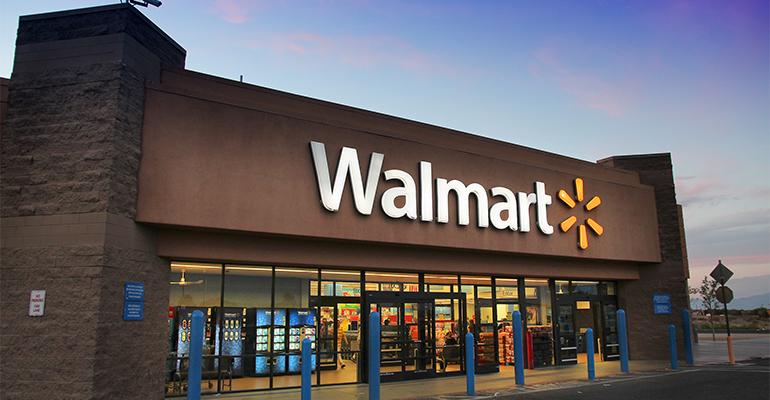
“Walmart's revamp is a bold and confident move, and frankly, it's long overdue,” Vhari Russell, founder of Food Marketing Experts, told Ingredients Network. “What they've done is shift the narrative from ‘budget alternative’ to ‘considered choice’, and that's a significant repositioning,” she said.
Salty snacks will be Walmart’s first food category to display its new design, with the remainder of its widespread rollout taking place over the next two years.
The power of private labels
Positioning private-label ranges as a trusted go-to for households is key, particularly amid rising inflation and growing consumer demands for budget-conscious options.
Launched in 1993, Great Value is Walmart’s largest private brand and the largest food and consumables consumer packaged goods (CPG) brand in the US. According to Walmart, Great Value is found in nine out of 10 US households and saves the average family 35% per year.
“National brands still hold the edge on emotional heritage and trust built over decades, but private label is closing that gap fast, particularly with younger shoppers who have no loyalty hangover to overcome,” said Russell.
Reimagining affordability
The Walmart of today, though, needs to consider affordability in a new way for new consumer demands. “The conversation around private label has fundamentally changed,” said Russell.
Consumers, particularly post-pandemic and through the cost-of-living squeeze, have discovered that own-label products can genuinely compete on quality, and many haven't gone back. Consumers are now looking for offerings that go beyond price.
“They want clarity: clear ingredients, honest provenance, and packaging that doesn't make them feel like they're compromising,” said Russell.
Simplicity, transparency, and a focus on product development resonate. Consumers value brands that consider their product pipelines, from concept through to commercialisation. They care about product contents, not only what it costs to produce.
The marketing expert’s view: ‘A strong step in the right direction’
As for whether Walmart’s new design meets these consumer demands?
“It’s a strong step in the right direction,” said Russell. The new range communicates intent, telling shoppers that Walmart has taken its own-label offer seriously and invested in it. That in itself can shift perception.
“In food and drink marketing, we know that how a product looks on the shelf is often the first and most powerful moment of communication you have with a consumer, and Walmart appears to understand that now more than ever,” she added.
“The real test will be whether the quality inside the pack matches the promise on the outside,” said Russell. Design can elevate and attract, but it is taste, consistency and value that build long-term loyalty and make a private label range truly successful.
“If Walmart can deliver on both, this revamp could genuinely redefine expectations for own-label in the US market,” she added.
Clear and contemporary
Designed to meet both form and function, the private label range’s new look aims to introduce a more modern visual identity and improve shoppability across Walmart’s physical stores and digital platforms.
Improving the visual cues of its product packaging was a key aim when designing the range’s new look. Clearer on-pack information can help consumers quickly find and select their desired products.
“The cleaner design language, the cohesive visual identity across categories and the emphasis on quality cues all signal that they understand today's consumer isn't simply trading down when they choose own-label – they're making an active, informed decision,” said Russell.
Consistency is paramount
Today’s shoppers also look for nutritional labels to help them make their food and drink selections. Labels that are hard to locate or understand affect consumers’ purchasing decisions, potentially reducing overall spend and eroding trust in a brand and its products. A key feature of Walmart’s new design was to consistently place nutrition information and benefit claims across all its Great Value food items.
“What works particularly well is the consistency,” said Russell. A coherent range that looks like it belongs together builds trust; it says there's a brand philosophy behind the product, not just a price point.
“Where I'd urge caution is in making sure the design doesn't become so premium-adjacent that it loses the approachability that is, ultimately, Walmart's greatest strength,” Russell said. “There's a fine line between elevating your range and inadvertently alienating your core customer,” added Russell.

Get more of our news on Google
Set Ingredients Network as a 'Preferred Source' to get quicker access to the news you value.
Related news

Do the US dietary guidelines put UPFs under pressure?
10 Sep 2026
Will the US dietary guidelines change the way Americans eat, swapping ultra-processed foods for whole foods? We asked Dr Barry Popkin, renowned nutrition and obesity researcher.
Read more
Health and wellness engagement matures across Middle East and Africa
4 Sep 2026
Many consumers in the Middle East and Africa are now proactively engaged in health and wellness, looking to integrate better habits and products into their daily lives, say experts.
Read more
Skimpflation: An ‘unfair’ and risky approach to keeping prices low
2 Sep 2026
Consumers see skimpflation – reducing the quality of ingredients due to rising costs – as more unfair than shrinkflation, making it a risky strategy according to recent research.
Read more
‘Urgent gaps’ in achieving 2030 food system goals
27 Aug 2026
Global food systems are failing to meet 2030 targets across indicators including health, environment, and resilience, according to a report co-authored by the Food and Agriculture Organisation (FAO).
Read more
Seven-Eleven uses microbial testing tech to extend katsudon shelf life
26 Aug 2026
Japanese retail company Seven-Eleven has improved its factory’s microbial environment to keep comfort-food staple, katsudon, fresher for longer.
Read more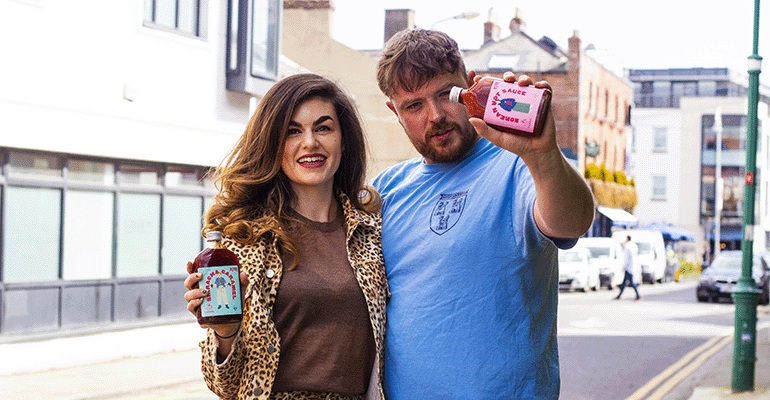
Chimac’s fusion sauces bring Korean flavours to Europe
25 Aug 2026
Irish sauce brand Chimac is tapping into Korea’s culinary traditions, bringing its flavours and products to European consumers who want a taste of K-food.
Read more
Global demand for instant noodles continues to rise
24 Aug 2026
Global demand for instant noodles reached 124.21 billion servings last year, representing a 0.7% year-on-year increase – or 900 million extra servings.
Read more
Popular barbecue staples experience sharp price increases
19 Aug 2026
The typical cost of US shoppers’ barbecue baskets has risen by 12% over the past year – the fastest annual rise in a decade, figures from The Economist show.
Read more
Hot NPD: Nissin launches first cold-water Cup Noodles
18 Aug 2026
Nissin is taking one of Japan’s most iconic instant meals in a completely new direction with the launch of the first cold water-only Cup Noodles in the brand’s 55-year history.
Read more
Manam Chocolate aims to bring premium Indian cacao to 'the world stage'
11 Aug 2026
Craft chocolate brand Manam Chocolate is investing in local expansion and supply chain innovation throughout India as it works to build out the premium reputation of its locally produced cacao products.
Read more