
Ingredients Categories
Finished Products
Finished Food Categories
- Bakery
- Beverages / Juices
- Cereal and grain products
- Confectionery
- Cooking Fats & Oils
- Dairy
- Egg products
- Fruits & Vegetables
- Infant & Baby food
- Meat, Poultry & Fish
- Nuts & Seeds products
- Other Finished Food Categories
- Pet Food
- Plant-based foods
- Prepared foods
- Sauces & Seasonings
- Sweet & Savoury Spreads
Specialised Finished Products
- Bee products
- Biotic products
- Dietary supplements
- Energy drinks
- Functional beverages
- Functional confectionery
- Functional food
- Functional powders
- Meal replacement products
- Nutricosmetics
- Other Specialised Finished Products
- Pet Dietary Supplements
- Pharma and OTC products
- Protein products
- Sugar replacers / Sweeteners
Health & Wellness Areas
Delivery Formats
Operations & Services
- 3D printing
- Analysis/ Testing
- Auditing & certifications
- Blending & mixing
- Bottling
- Certification
- Clinical trials
- Co-packing
- Coating
- Consulting
- Contract manufacturing
- Drying
- Electrospinning
- Encapsulating
- Enzymatic processing
- Extracting
- Extrusion
- Fat structuring
- Fermentation
- Filling
- Flavour development
- Freeze drying
- Granulating/ grinding/ milling / mixing
- High-pressure processing
- Labelling
- Other Operations & Services
- Packaging
- Packet filling
- Pasturising
- Quality assurance
- Saccharification
- Shear cell processing
- Spray drying
- Sterilisation
- Storage & Logistics
- Tabletting
- Toasting / roasting
- Ultra-high temperature processing
News
Report outlines how the US interfered with marketing restrictions on formula across the globe
Tessa Wiles, Content Editor - Food 18 Apr 2024A recent investigative report by ProPublica unmasked the extensive interference by the US government in international regulations concerning the marketing of formula.
The report details how Thailand and other developing countries trying to safeguard the health of children attempted to regulate formula marketing. These efforts were thwarted by the US government, which repeatedly advanced the interests of multinational baby formula companies.
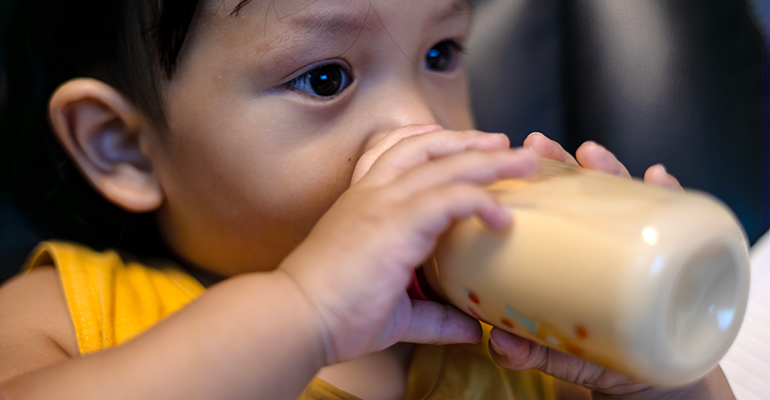
Thailand’s attempt to halt advertising met with lodged criticisms from the US
In 2017, health experts in Thailand attempted to halt aggressive advertising for all types of formula, including toddler formula, the report says, fearing that promotions could mislead parents and convince mothers to forgo breastfeeding – rates that were already among the lowest in the world.
In response to these attempts, officials at the US Department of Agriculture's (USDA) Foreign Agricultural Service (FAS) delivered a letter to Thai authorities asking “pointed” questions about the proposed legislation, according to ProPublica, and lodging criticisms in a bilateral trade meeting with the Thai government and on the floor of the World Trade Organization (WTO).
Despite its concerns about misleading marketing and low breastfeeding rates, ProPublica said the Thai government ultimately relented, banning advertising for infant formula, but allowing marketing for toddler formula.
During an interview for the report, former adviser to Thailand’s health minister, Dr Siriwat Tiptaradol, expressed upset and disappointment in the government's decision to back down. He said: "Our law is really weak, and enforcement is really weak."
Ingredients Network contacted the USDA FAS for its response to the ProPublica report but did not receive any comments in time for publication of this article.
Low breastfeeding rates in Thailand
A July 2023 UNICEF-supported survey found that around 29% of Thai mothers exclusively breastfed their babies during the first six months of life. This is up 14% from 2019 but is still far below the Global Nutrition Target of 50% by 2025.
Breastfeeding is promoted as the best source of nourishment for infants and young children and is one of the most effective ways to ensure a child's health and survival, according to the World Health Organization (WHO).
“Meddling” by the US government uncovered in 2018
The “meddling” by the US government was first exposed in 2018 after officials from the Trump administration were accused of threatening to withhold military aid to Ecuador unless the country dropped its proposed resolution in support of breastfeeding at the WHO.
The ProPublica investigation uncovered decades-long efforts by the US government to undermine public health initiatives in numerous countries while advancing the interests of multinational formula companies. US agencies intervened in around 17 jurisdictions, and this continued under various administrations, impacting countries across the globe.
The meddling often opposed measures that would restrict formula marketing or require additional safety precautions.
Infant formula versus toddler milk
Toddler formula is a processed powdered drink aimed at children between one and three years old. The drink often contains caloric sweeteners and vegetable oil, alongside powdered milk.
Evidence of the deceptive marketing and nutrient-poor formulations has been building for years. The ProPublica report references a 2023 study published by the American Academy of Pediatrics, which concluded that toddler formulas offer no nutritional advantage and are misleadingly promoted as a necessary part of a healthy child’s diet.
A 2024 scoping review of research on consumption, perceptions, and marketing practices of toddler formula found that sales appear to be growing rapidly worldwide, despite health authorities not supporting its use and emerging evidence suggesting that marketing practices may mislead consumers.
In the US, infant formula is regulated by the US Food and Drug Administration (FDA) but toddler formula, on the other hand, is not. Although toddler formula made up only 11% of all formula sales in the US in 2023, global sales were significant, making up more than 37%, according to Euromonitor.
The aggressive marketing of formula, and backlash, is not new. In the late 1970s and early 80s, boycotts of Nestlé took place across the US and Europe after concerns about the company’s marketing of formula arose, particularly in low- and middle-income countries.
VoxDev, a research into policy platform, estimates that Nestlé’s entry into low- and middle-income formula markets, many of which did not have access to clean water, resulted in increased child mortality.
At the peak of the Nestlé controversy in 1981, estimates sat at approximately 212,000 infant deaths per year, and between 1960 and 2015 it has led to around 10.9 million excess infant deaths.

Get more of our news on Google
Set Ingredients Network as a 'Preferred Source' to get quicker access to the news you value.
Related news

Do the US dietary guidelines put UPFs under pressure?
10 Sep 2026
Will the US dietary guidelines change the way Americans eat, swapping ultra-processed foods for whole foods? We asked Dr Barry Popkin, renowned nutrition and obesity researcher.
Read more
Food fraud costs UK economy £2bn each year
9 Sep 2026
Food fraud is costing the UK economy up to £2 billion (€2.3 billion) every year although the food sector is more “resilient” than others, according to a recent study.
Read more
Kellogg accelerates work to remove artificial colours from all US cereals
3 Sep 2026
WK Kellogg has announced an accelerated timeline to eliminate all artificial colours and the chemical preservative, BHT, across its full US portfolio of cereals and cereal packaging.
Read more
Skimpflation: An ‘unfair’ and risky approach to keeping prices low
2 Sep 2026
Consumers see skimpflation – reducing the quality of ingredients due to rising costs – as more unfair than shrinkflation, making it a risky strategy according to recent research.
Read more
‘Urgent gaps’ in achieving 2030 food system goals
27 Aug 2026
Global food systems are failing to meet 2030 targets across indicators including health, environment, and resilience, according to a report co-authored by the Food and Agriculture Organisation (FAO).
Read more
Popular barbecue staples experience sharp price increases
19 Aug 2026
The typical cost of US shoppers’ barbecue baskets has risen by 12% over the past year – the fastest annual rise in a decade, figures from The Economist show.
Read more
Savoury protein snacks shake up the on-the-go market
10 Aug 2026
Sweet flavours have dominated the high-protein snack category but savoury snacks, such as cheese bars and meat sticks, can appeal to health-conscious consumers.
Read more
Digital twin technology gains ground in food manufacturing
6 Aug 2026
Food and beverage companies are increasingly turning to digital twins to optimise and automate manufacturing processes, but opportunities stretch far beyond this, say experts.
Read more
Nestlé invests in regeneratively farmed wheat for KitKat
5 Aug 2026
Nestlé will pay a premium for Wildfarmed’s regeneratively farmed wheat but the CPG remains reticent to promote the move on packs of its KitKat bars.
Read more
Codex sets global thresholds for ‘may contain’ labels
3 Aug 2026
Codex Alimentarius has adopted its first global guidance on when to use “may contain” allergen warnings, setting thresholds intended to stop the label being used as blanket legal cover.
Read more