
Ingredients Categories
Finished Products
Finished Food Categories
- Bakery
- Beverages / Juices
- Cereal and grain products
- Confectionery
- Cooking Fats & Oils
- Dairy
- Egg products
- Fruits & Vegetables
- Infant & Baby food
- Meat, Poultry & Fish
- Nuts & Seeds products
- Other Finished Food Categories
- Pet Food
- Plant-based foods
- Prepared foods
- Sauces & Seasonings
- Sweet & Savoury Spreads
Specialised Finished Products
- Bee products
- Biotic products
- Dietary supplements
- Energy drinks
- Functional beverages
- Functional confectionery
- Functional food
- Functional powders
- Meal replacement products
- Nutricosmetics
- Other Specialised Finished Products
- Pet Dietary Supplements
- Pharma and OTC products
- Protein products
- Sugar replacers / Sweeteners
Health & Wellness Areas
Delivery Formats
Operations & Services
- 3D printing
- Analysis/ Testing
- Auditing & certifications
- Blending & mixing
- Bottling
- Certification
- Clinical trials
- Co-packing
- Coating
- Consulting
- Contract manufacturing
- Drying
- Electrospinning
- Encapsulating
- Enzymatic processing
- Extracting
- Extrusion
- Fat structuring
- Fermentation
- Filling
- Flavour development
- Freeze drying
- Granulating/ grinding/ milling / mixing
- High-pressure processing
- Labelling
- Other Operations & Services
- Packaging
- Packet filling
- Pasturising
- Quality assurance
- Saccharification
- Shear cell processing
- Spray drying
- Sterilisation
- Storage & Logistics
- Tabletting
- Toasting / roasting
- Ultra-high temperature processing
News
The CBD market in Europe: A challenging regulatory picture
Paul Tucker 26 Oct 2026Despite a recent novel food approval, the landscape for CBD in Europe is challenging – and with the UK set to align with EU safety rules, could the end be in sight for high-dose British CBD products?
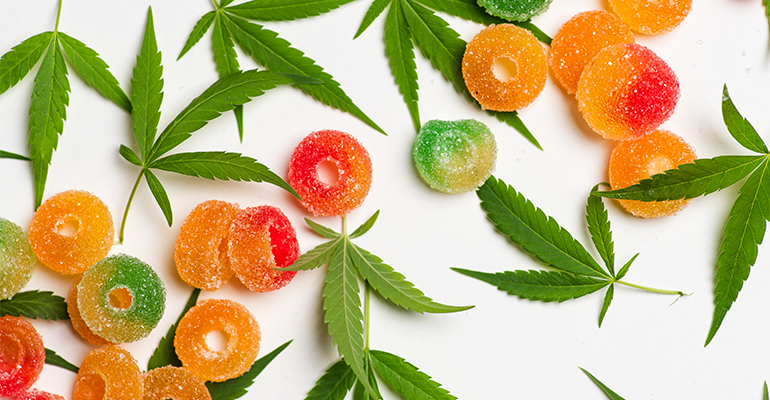
CBD would seem to be a golden opportunity for brands in Europe – in a €6bn market, consumers are ever-increasingly embracing multiple wellness claims and attractive formats, such as fizzy drinks, oils, gummies, and vape liquid.
At a glance:
- Recent rulings have seen European regulators approve one novel food application for CBD products and reject two.
- The sector faces a difficult EU regulatory environment with a low dose of 2mg a day approved as safe.
- Upcoming alignment with EU food safety rules raises the potential of restrictions to the UK market.
Yet behind consumer enthusiasm and positive growth forecasts is a more complicated picture, especially when it comes to regulation.
There was one recent positive approval in September this year – the European Food Standards Agency (EFSA) approved a CBD ingredient made by chemical synthesis made by Chanelle McCoy under the proposed conditions of use – dissolved in medium-chain triglyceride (MCT) oil in food supplements at a maximum daily dose of 2 mg.
However, a daily dose of 2 mg is five times lower than the UK dose, and EFSA scientists also turned down two applications for regulatory approval, one for CBD isolate and another for Cannabis sativa L. extract, in September 2026.
Increasingly, brands are being forced to distinguish the optimism that has accompanied CBD in the decade since it swept onto the scene and a challenging commercial reality.
CBD and the Novel Food framework
Brands seek EU safety authorisation for CBD products through EFSA’s Novel Foods framework. A food is deemed novel if it “had not been consumed to a significant degree by humans in the EU before 15 May 1997”, when the novel food regulation first took force.
Novel food approval is awarded based on three factors: safety, proper labelling, and, in the case of products designed to replace existing foods – lab-grown meats, for example – comparable nutritional status. For both CBD applications rejected in September, safety was the defining element – EFSA reported it could not be established in either case.
These rejections are far from out of step with the wider regulatory environment. So far, no CBD products have been awarded novel food status by EFSA.
Furthermore, EFSA sets a comparatively strict bar when it comes to defining safe consumption levels. In February, it set a provisional safe intake level of approximately 2 mg per day for a 70 kg adult. By comparison, in the UK the safe daily level is set at 10 mg.
“EFSA's provisional 2 mg daily intake and its continuing toxicological concerns suggest that any eventual EU market may be confined to very low-dose, high-purity products,” said Stephen Oliver, co-founder of The Canna Consultants, which provides legal and regulatory expertise on the cannabis products market. “That is a very different proposition from the CBD wellness market that businesses and investors originally envisaged.”
The only workaround of this is transitional approval from national authorities, meaning brands face varying levels of acceptance across countries, and greater exposure to political and regulatory headwinds.
Could EU alignment complicate CBD in the UK?
Looking to the UK, where a wider thawing in UK/EU trade relations appears to be underway, alignment with Europe may reverse progress on CBD approvals.
In May 2025, the UK and the EU agreed to a new Sanitary and Phytosanitary (SPS) agreement, which will bring UK food safety regulations in line with those of the EU. This will help streamline broader trade, but it could also put gains achieved by CBD producers in the UK – including three novel food approvals, with a further 14 under consideration – under threat.
This is “perhaps the greatest irony,” said Oliver. “After six years of waiting for CBD authorisations, UK businesses may finally receive permission to sell their products, only to discover that the permission itself has an expiry date.”
Appeal endures, despite regulatory challenges
The counterpoint to this less-than-rosy picture is a vibrant market and increasing consumer appeal. If 10 years ago CBD’s cannabis associations meant it was seen as a slightly radical ingredient, nowadays it is perhaps more of a mainstream product than wellness counterparts such as lion’s mane and ashwagandha. Annual market growth of over 20% is expected in Europe in the next few years, according to Market Data Forecast.
The key challenge ahead is working out how to match surging consumer interest with regulatory approval in terms of both safety and demonstrable claims (as well as lacking safety backing, there are no authorised health claims in the UK or EU).
“A well-characterised, high-purity CBD isolate with comprehensive toxicological evidence is generally a more credible regulatory proposition than a complex botanical extract,” said Oliver.
Key will be keeping regulatory issues firmly in mind when working towards individual product launches.
“The industry has spent years debating whether CBD is safe,” said Oliver. “Regulators are asking a rather different question: can you prove that your particular product is safe?”

Get more of our news on Google
Set Ingredients Network as a 'Preferred Source' to get quicker access to the news you value.
Related news

Whey protein production struggles to keep pace with demand
22 Oct 2026
Despite high whey protein prices and strong demand, growing production pressures are prompting questions about pricing sustainability, processing capacity, and alternative dairy options.
Read more
Supplements: Interest in named ingredients grows while categories shrink
19 Oct 2026
US shoppers are buying named ingredients, like magnesium, while the overarching categories they are often found in, like sleep aids, are shrinking, according to Spate.
Read more
Brazil pushes forward on restricting ultra-processed foods
14 Oct 2026
The Brazilian government is pushing ahead with its proposal calling on the World Health Organization (WHO) to restrict the marketing of ultra-processed foods – a move causing a mixed response.
Read more
EU considers extending mandatory country-of-origin labelling
13 Oct 2026
The EU is considering expanding mandatory country-of-origin labelling to more food categories, but the scope of the potential rules remains undefined.
Read more
‘Irresponsible’ Huel advert banned in the UK
12 Oct 2026
The UK’s Advertising Standards Authority has banned a video advert by Danone-owned meal replacement brand Huel for “irresponsible” marketing related to diets.
Read more
More than half of the UK’s SACN advisors have food industry ties
8 Oct 2026
Of the 19 experts on the UK’s Scientific Advisory Committee on Nutrition, 11 have ties to the food industry. Industry professionals are split as to whether that is appropriate.
Read more
UK biscuit maker pladis targets Chinese snack market for growth
6 Oct 2026
Pladis, the maker of iconic British biscuit brand McVitie’s, aims to boost disappointing profits by targeting China with products tailored to Chinese preferences.
Read more
Goodbye greenwashing? EU ban on vague claims comes into force
5 Oct 2026
Food and drink brands must comply with EU anti-greenwashing rules that ban vague claims – but they do not have to stay silent on sustainability.
Read more
Reinventing soda: Zero sugar, functional benefits, and new indulgence
30 Sep 2026
Zero-sugar, functional, and indulgent sodas are redefining what a carbonated soft drink can offer in today’s evolving market.
Read more
The £10 ready meal opportunity: UK retail to see premium battle intensify
29 Sep 2026
Premium ready meal innovation – with high-end meals retailing for £10 (around €12) – is heating up in the UK. What are the stand-out attributes for a winning product?
Read more